Airlines carry 436 million small packages every day, yet more than half of the cargo space on the world's passenger fleet still flies empty. That gap between available capacity and utilized capacity is one of the most overlooked opportunities in domestic shipping today, and it sits closer to hand than most airline executives realize. While industry attention tends to gravitate toward international lanes and cross-border trade, the domestic market is quietly becoming one of the most valuable and defensible segments an airline can serve.
Domestic logistics has changed shape over the past few years. Consumers now expect next-day and same-day delivery as standard, not a premium add-on, and ground networks in large, geographically dispersed countries are struggling to keep pace. Airlines that already operate dense domestic route networks have an asset ground carriers cannot replicate: scheduled flights connecting cities, regions, and remote communities every day. SmartKargo's Domestic E-Commerce solution was built specifically to help airlines convert this structural advantage into a scalable, profitable parcel business.
Why Domestic Air Cargo Networks Are a Structural Competitive Advantage
Airlines with domestic route networks sit on one of the most powerful and underutilized logistics assets in their markets. It comes from infrastructure, frequency and geographic reach that has already been built and paid for, and that ground carriers would need years and enormous capital to try to match.
-
Domestic flight frequency and route density: Most national carriers operate multiple daily flights between major cities and secondary markets, creating a web of scheduled connections that no trucking network can replicate at the same speed. This density means a shipment can move from one side of a country to the other within hours rather than days, using capacity that is already scheduled to fly regardless of whether cargo is on board.
- Speed advantage over ground: Once a domestic journey stretches beyond a few hundred kilometres, road transport starts to lose ground on time, cost and reliability, particularly where mountainous terrain, congested highways or long distances between hubs are involved. Air transport removes most of that friction because flight times are fixed and largely unaffected by road conditions, traffic or weather-related detours on the ground.
- Access to remote and underserved communities: Many domestic markets include regions where road infrastructure is limited, seasonal, or simply too costly for ground carriers to service at scale, leaving residents and businesses with poor delivery options. Airlines already fly into many of these locations as part of their passenger network, which means the infrastructure and frequency needed to serve them with cargo already exists.
- Domestic e-commerce growth: Domestic online retail continues to expand across nearly every major market, and that growth is not a short-term spike tied to a single event or season. As more consumers shop online for everyday goods, parcel volume between cities and regions keeps climbing, and much of that demand rewards whichever carrier delivers fastest and most reliably.
The Domestic E-Commerce Opportunity Airlines Are Underserving
Domestic e-commerce is growing faster than most ground logistics networks were built to handle, and that mismatch is creating an opening that airlines are still largely leaving on the table.
-
Consumer delivery expectations: Shoppers who once accepted a week for delivery now expect updates within a day or two, and retailers are competing partly on how fast and reliably they can fulfill that promise. This shift is not confined to major metropolitan areas either, as consumers in smaller cities and towns increasingly expect the same standard of service as those in capital cities.
- Ground carriers face capacity limits: Trucking and rail networks are constrained by road quality, driver availability, depot coverage, and the sheer distances involved in countries with dispersed populations. During peak shopping periods, these constraints become even more pronounced, leading to delays, missed delivery windows and rising costs for carriers trying to scale capacity quickly.
- Serve domestic e-commerce demand: Passenger flights already connect the cities and regions where e-commerce demand is concentrated, and much of that belly space goes unused on any given day. Rather than building new infrastructure, airlines can plug directly into the domestic parcel market using capacity that is already scheduled, crewed and funded.
- B2C, B2B, and domestic parcels: Domestic cargo is not a single, uniform market; it spans consumer parcels, business-to-business freight, and time-sensitive shipments, each with its own pricing and service requirements. Treating these as separate revenue streams, rather than a single undifferentiated cargo product, allows airlines to price appropriately and serve each segment with the right service level.
Building a Domestic Cargo Network That Competes on Speed and Reliability
Having the aircraft and the route network is only half the equation. Turning that physical capacity into a domestic cargo service that shippers trust requires the right digital foundation, because manual processes cannot scale to match e-commerce volumes or consumer expectations around visibility.
-
Cloud-based platform: Manual booking processes and disconnected systems slow down every shipment and introduce errors that are costly to fix once a parcel is already moving. A single cloud platform that manages the entire journey end to end means shippers, airline staff, and delivery partners all work from the same real-time information rather than reconciling separate spreadsheets and phone calls.
- Real-time API integration: Retailers want to book and track shipments within their own systems rather than logging into a separate portal for every carrier. Direct API connections let orders flow automatically from an e-commerce platform into the airline's cargo system, cutting out manual data entry, and reducing the risk of errors at booking.
- Full-featured mobility apps: Ground staff and delivery drivers need tools that work in the field, not just at a desk, whether that means scanning a parcel at pickup, updating status during last-mile delivery, or flagging an exception as soon as it happens. Mobile applications that connect directly into the core cargo platform mean status updates happen in real time rather than being logged hours later.
- Automated documentation: Domestic parcel volumes can run into the thousands per day for a single airline, and manual documentation at that scale is both slow and prone to mistakes that can delay shipments or trigger disputes later. Automating the generation of shipping documents, labels and billing records removes much of this manual burden and lets operations staff focus on managing exceptions rather than routine paperwork.
- Scalable infrastructure: As domestic e-commerce volumes grow, airlines need a cargo platform that can absorb that growth without requiring a matching increase in operations staff for every additional shipment handled. Cloud-based infrastructure that scales with demand lets an airline take on new retail partners and higher parcel volumes without the operation's cost structure growing at the same rate.
How SmartKargo Powers Domestic Air Cargo Operations for Airlines
Turning the strategic case for domestic air cargo into an operating reality requires a platform built for this kind of network, not a generic freight system adapted after the fact. SmartKargo's Domestic E-Commerce solution was designed for this need, giving airlines the tools to compete for domestic parcel volume without building the technology themselves.
-
SmartKargo's Domestic E-Commerce solution: Rather than requiring airlines to negotiate and integrate with retailers one by one, the platform provides the connective layer that lets domestic e-commerce volume flow into an airline's cargo operation with minimal manual effort. This lowers the barrier for airlines that want to enter the domestic parcel market but do not want to build custom integrations for every retail partner.
- Full journey from shopping cart to customer door: Rather than handing a shipment between disconnected systems at each stage of its journey, the solution manages booking, capacity allocation, pricing, tracking, billing and revenue accounting within a single environment. This end-to-end coverage lets airlines offer a genuinely seamless domestic delivery experience, rather than a fragmented one stitched together from multiple vendors.
- B2B, B2C, and domestic parcel shipping: Whether an airline operates a small regional network or a large national one, the platform handles the different service requirements of business freight, consumer parcels, and domestic express shipments without separate systems for each. This flexibility means airlines of different sizes and network structures can adopt the same underlying technology and scale it as their domestic cargo business grows.
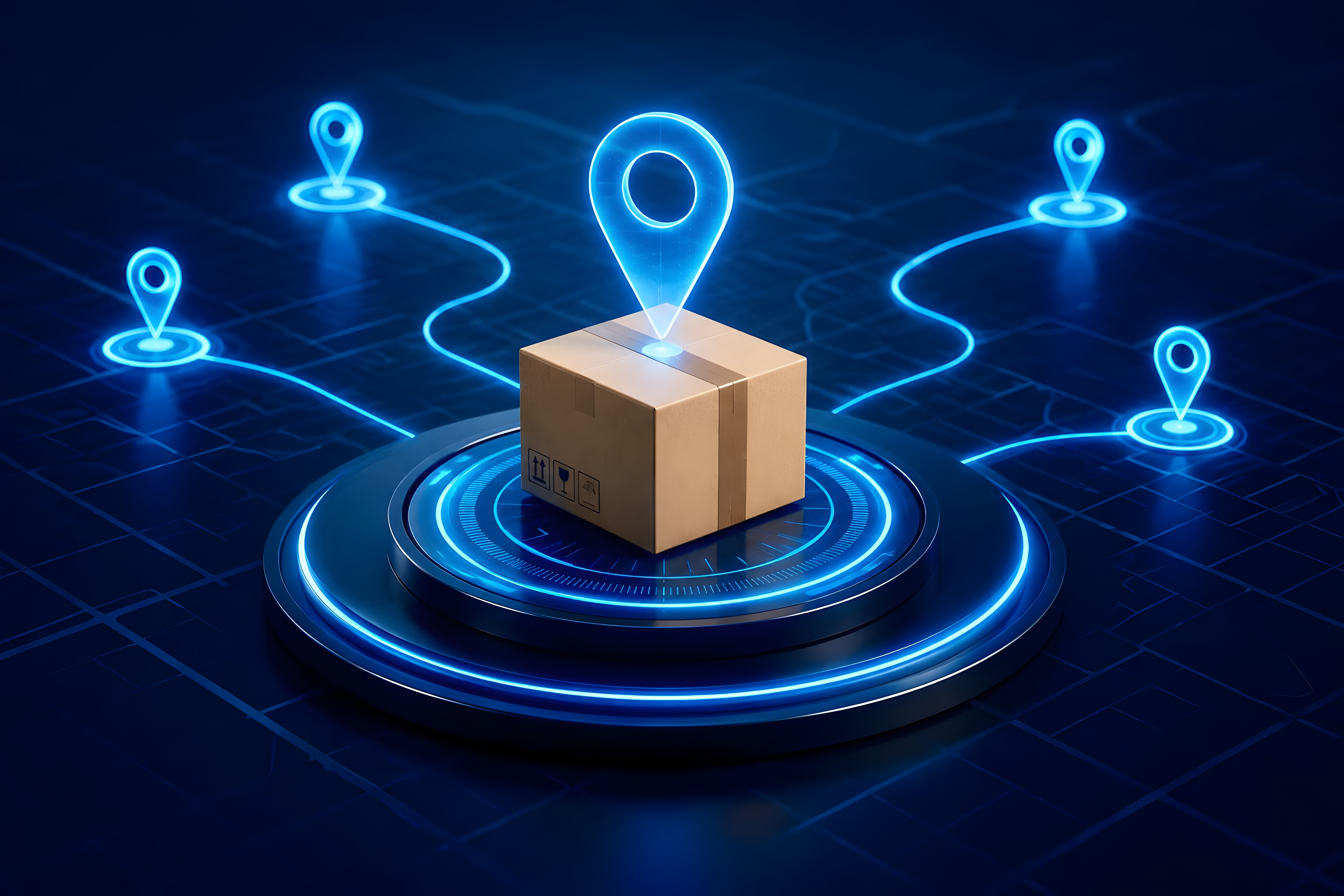
- Real-time shipment tracking: Consumers who shop online expect the same tracking experience for a domestic parcel that they get from any major online retailer, including live status updates and an accurate delivery estimate. Providing that level of visibility helps airlines meet expectations set by the wider e-commerce industry, rather than falling short of standards shippers and consumers already take for granted.
- AIRCAM, SmartKargo's AI-powered revenue and capacity management solution: Static pricing and manual capacity planning struggle to keep pace with the daily fluctuations in domestic demand across different routes and time periods. AIRCAM uses data-driven forecasting to help airlines price domestic cargo dynamically and allocate capacity to the routes and shipments that generate the strongest returns.
E-commerce growth, rising delivery expectations and constrained ground networks are creating a genuine opening for airlines willing to activate their domestic capacity properly. SmartKargo's Domestic E-Commerce platform gives airlines the technology foundation to compete seriously in this market and win the domestic volume that ground carriers cannot always deliver. Discover how SmartKargo helps airlines unlock the competitive advantage of their domestic cargo network.
FAQs
Q. Why are domestic air cargo networks a competitive advantage for airlines?
A. Domestic networks give airlines scheduled flight frequency and geographic reach that ground carriers cannot easily replicate, especially across long distances or into remote regions. Because the aircraft are already flying, incremental cargo revenue comes at a high margin, making domestic parcels one of the most attractive revenue lines available.
Q. How can airlines capture domestic e-commerce parcel delivery market share?
A. Airlines can capture share by connecting directly with domestic e-commerce retailers through API integrations, offering competitive transit times on existing passenger routes, and partnering with ground logistics providers for first-mile and last-mile coverage. A digital platform that automates booking, tracking and billing is essential to operate at e-commerce scale.
Q. What technology do airlines need to build a domestic cargo delivery network?
A. A cloud-based cargo management platform, real-time API connections to retailers, warehouse management for hub operations, mobility apps for ground staff, and automated documentation are the core building blocks. These tools allow a domestic network to scale volume without a proportional increase in operational headcount.
Q. How does domestic air cargo compete with ground carriers on speed and coverage?
A. Air transport removes the road-based delays that affect trucking over medium and long distances, and it reaches remote communities that ground networks often cannot serve efficiently. This combination of speed and geographic reach is difficult for ground carriers to match on comparable domestic lanes.
Q. What is the domestic e-commerce logistics opportunity for airlines in 2026?
A. Domestic e-commerce continues to grow steadily across major markets, and much of that volume is still being handled by ground networks operating near capacity. Airlines that activate their existing passenger networks for domestic parcels are well placed to capture a meaningful share of this growing demand.
Q. How does SmartKargo help airlines build and scale domestic cargo operations?
A. SmartKargo's Domestic E-Commerce solution connects airlines with domestic retailers on one integrated platform covering booking, tracking, billing and last-mile delivery. Combined with AIRCAM's AI-powered revenue and capacity management, airlines can price dynamically and have reported consistent double-digit domestic cargo revenue growth.