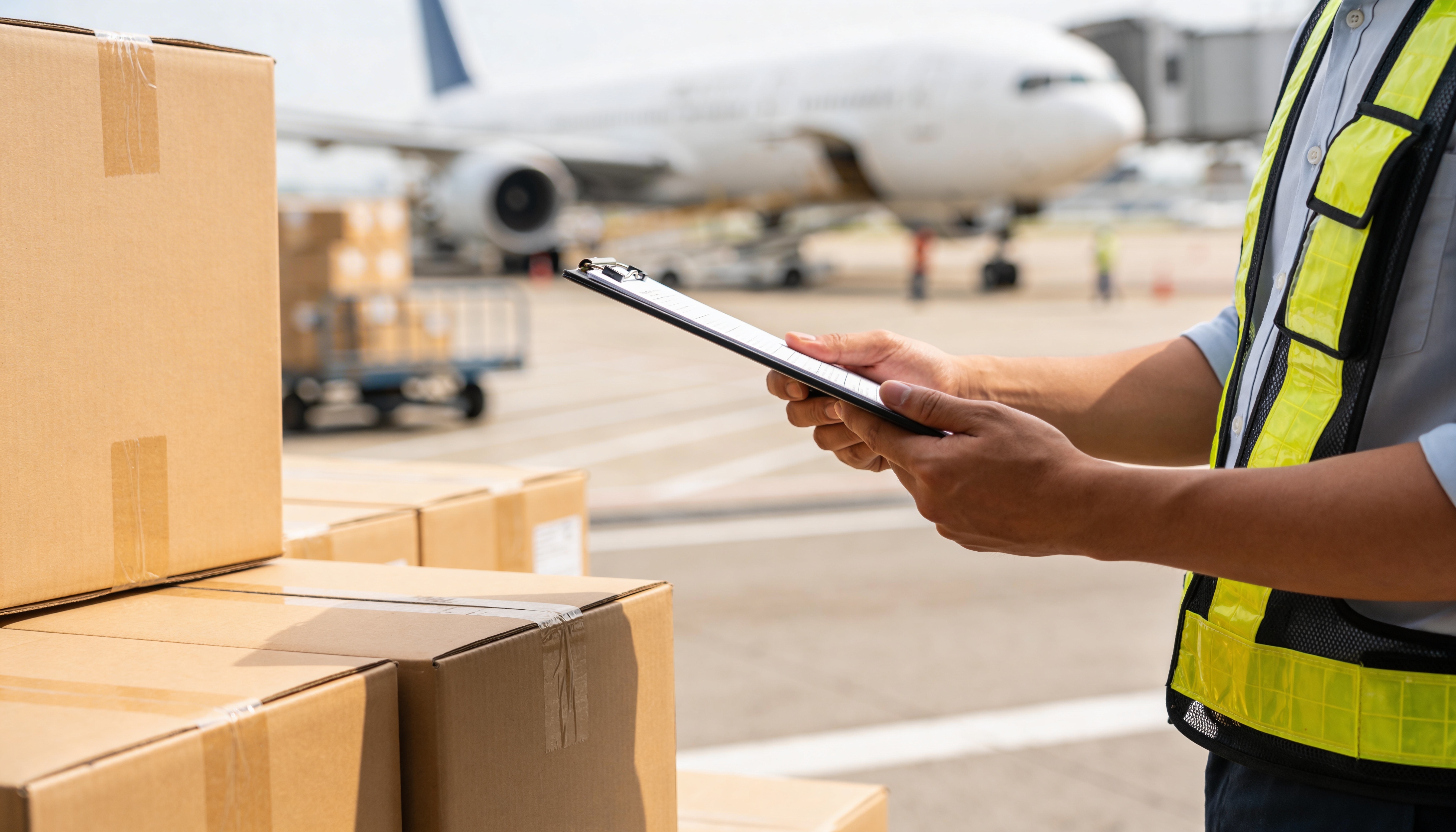
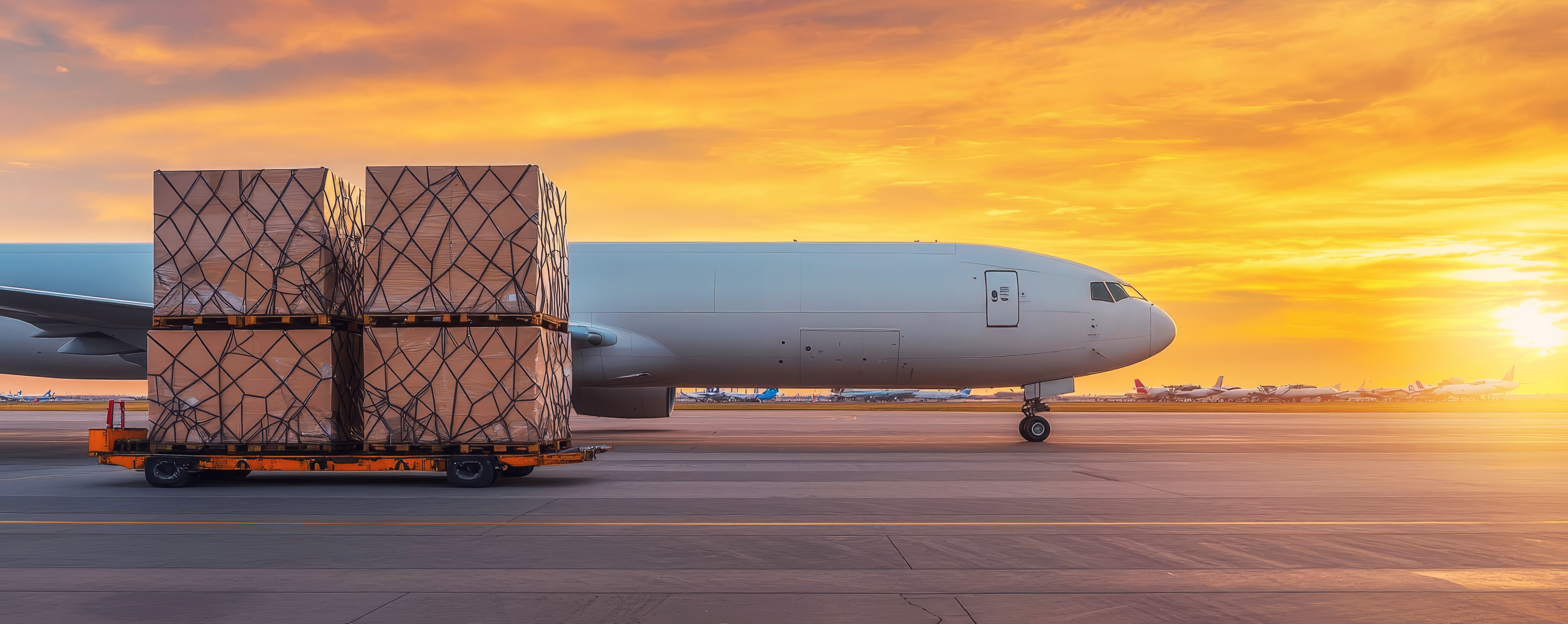
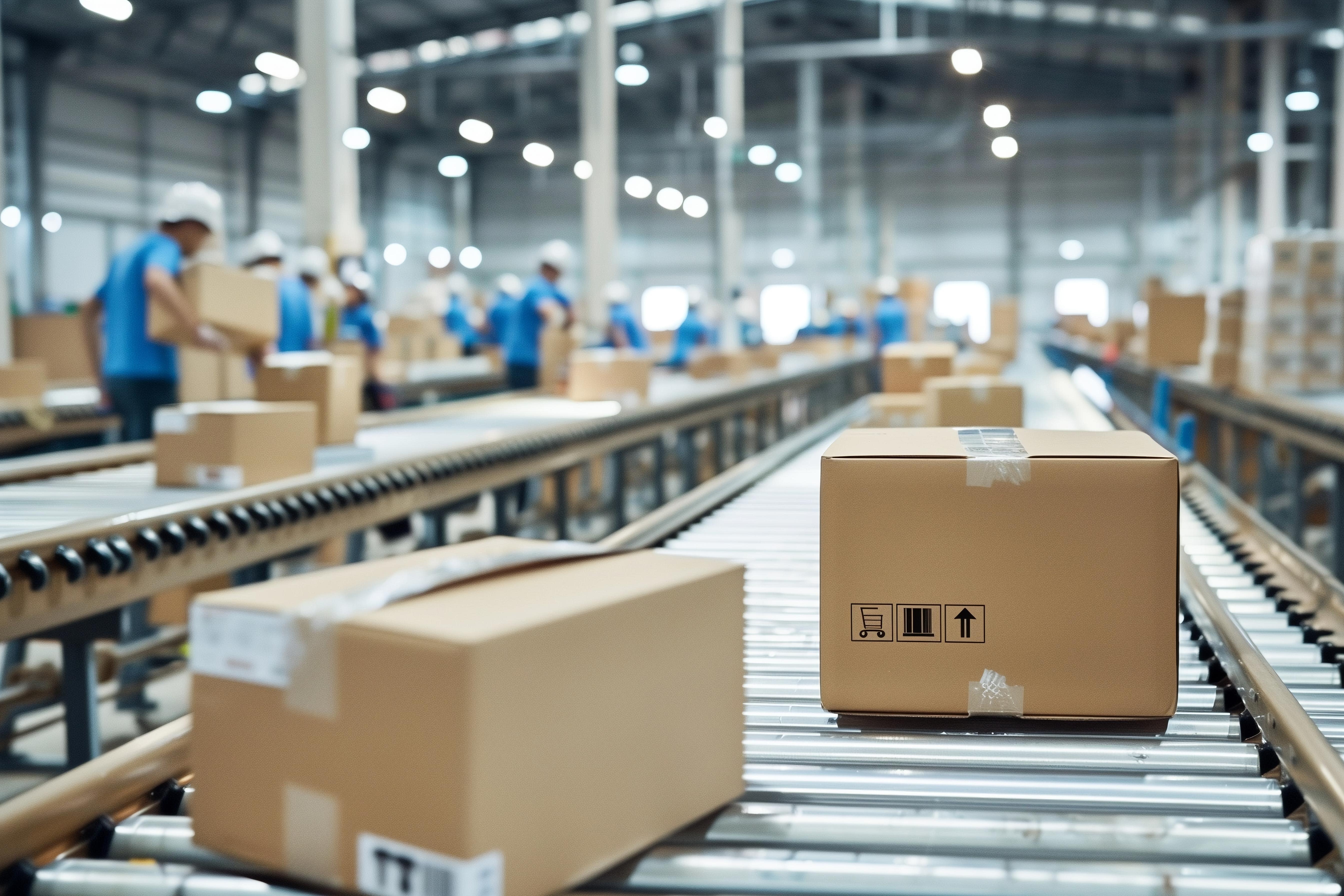
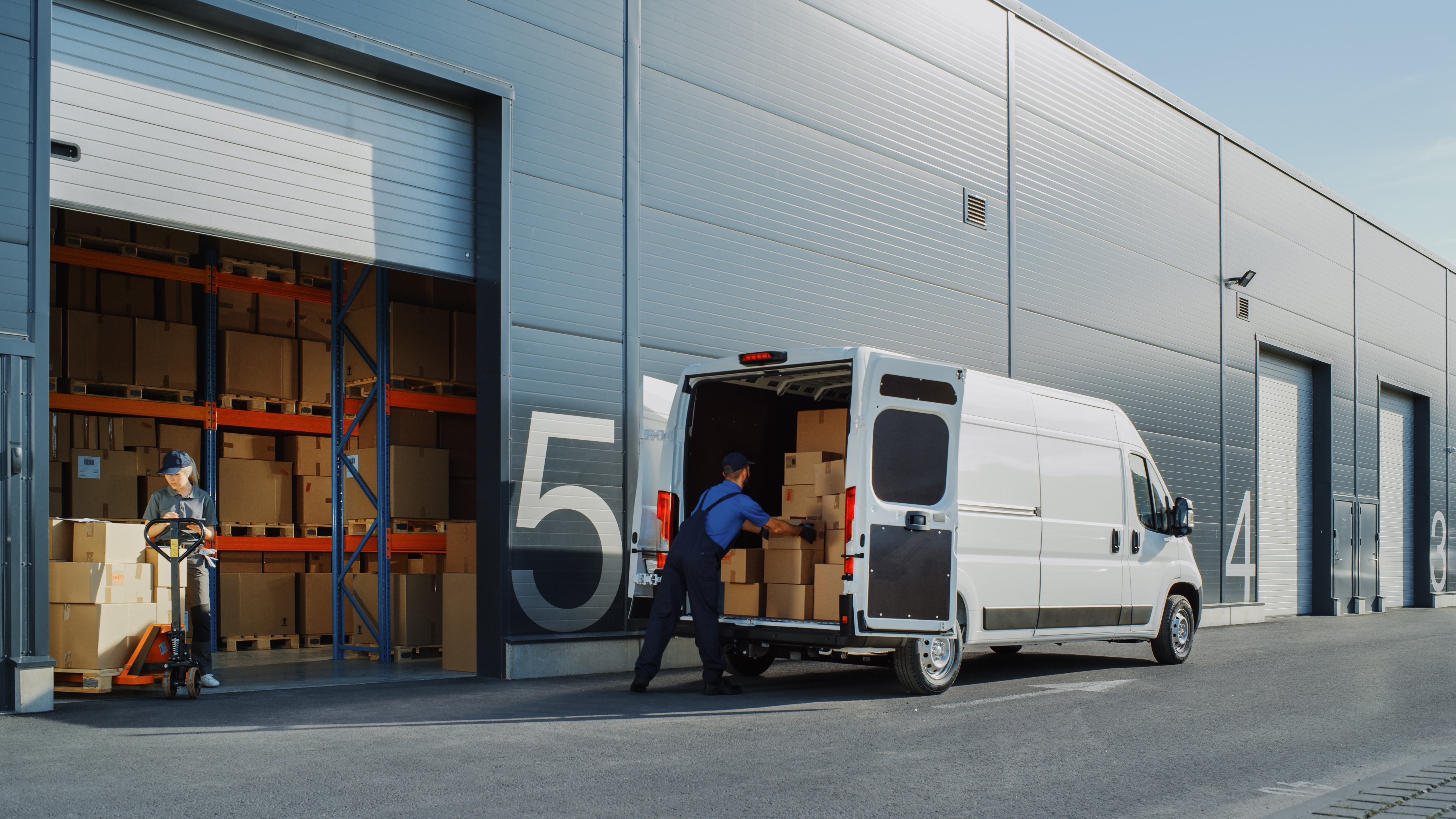
E-commerce has exploded: millions of parcels move every day, and consumer expectations for same-day or next-day fulfilment are now standard. Airlines e-commerce delivery can unlock a meaningful advantage for marketplaces and D2C brands by converting unused aircraft capacity into a fast, reliable shipping layer. Airlines already operate vast networks and modern cloud-based cargo platforms that link retail orders to air transport processes. When airlines adopt e-commerce-ready systems, they create a direct, high-speed pipeline from warehouse to customer door, shortening transit times and reducing dependency on slow, long-haul road legs. Smart, integrated airline logistics, therefore, offers a practical route to faster delivery at scale for brands that need to expand reach without heavy investment in new ground infrastructure.
The Speed Challenge for Marketplaces & D2C Brands
Ground transport imposes clear limits on long-distance fulfilment. Road and rail legs add transit hours that are hard to recover from, and last-mile networks frequently become the bottleneck when volumes spike. Rising customer expectations force brands to offer rapid fulfillment while keeping costs under control. Competition among marketplaces means faster delivery is a differentiator, yet most current shipping options involve trade-offs between cost and speed. Geographic barriers also slow expansion: reaching new national or international markets quickly is costly when ground networks must be built or leased. Last-mile costs and failure rates further erode margins and customer satisfaction.
What Makes Airline Cargo Shipping Faster Than Ground Delivery?
Existing Infrastructure
Airlines operate thousands of daily flights and maintain extensive route networks that already touch major consumer markets. Many carriers have established partnerships for first-mile pickup and last-mile handoffs; modern airline cargo systems now plug into these partner networks to close gaps in the delivery chain. This existing footprint is an immediate asset for e-commerce brands seeking speed without building new ground hubs.
Speed at Scale
Air transport moves parcels at flight speed across long distances, making same-day or next-day delivery feasible between distant markets that would take days by road. Using the airline network to bypass lengthy ground legs reduces delay exposure and delivers consistent transit times critical for marketplace promise management and inventory velocity. Smart routing and scheduled flights make speed repeatable at scale.
Capacity Availability
Passenger aircraft belly space and dedicated freighters together represent the global network’s cargo capacity. A significant portion of that capacity is available for small-parcel e-commerce, creating an opportunity for airlines to monetise spare space and for brands to access competitive capacity without long-term air-freight contracts. Turning spare capacity into an on-demand parcel channel benefits both carriers and shippers.
How Does Airline E-Commerce Shipping Work?
Direct Retailer Integration
Airline e-commerce platforms like SmartKargo offer APIs and connectors that integrate directly with online marketplaces and D2C checkouts. Automated flows can convert an order into a booked air shipment, generate air waybills, and allocate capacity in real time. Integration with major aggregators and shippers reduces manual handoffs and accelerates processing.
Domestic E-Commerce Solutions
Domestic airline parcel programmes link local online retailers to a carrier’s flight network and to last-mile partners. These solutions automate small-parcel handling, enable rapid implementation of shipping programmes, and run on flexible, cloud-based infrastructure so brands can start quickly and scale as volumes grow.
Cross-Border E-Commerce Capabilities
For international sales, airline platforms manage routing intelligence, customs documentation and multi-currency pricing. This automation shortens clearance times and eliminates friction points that commonly slow cross-border parcels, delivering a clear speed advantage for global orders.
What is Real-Time Cargo Tracking and Why Does It Matter?
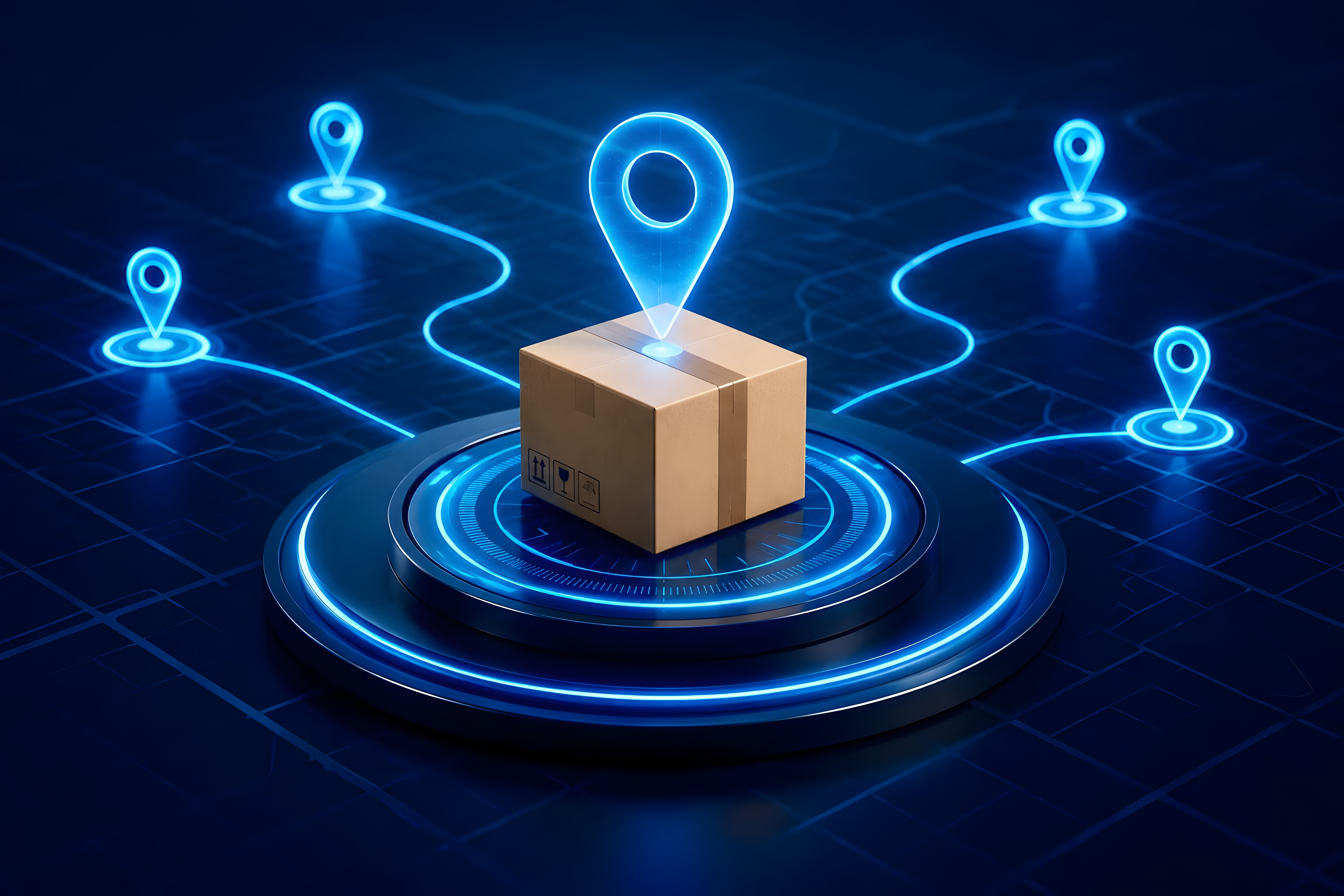
Modern airline cargo systems provide real-time tracking from pickup through to delivery, integrating with visibility providers and giving marketplaces and brands the transparency required to manage customer expectations. Proactive updates and unified tracking reduce customer enquiries and improve perceived reliability.
First-Mile to Last-Mile Integration
A unified platform coordinates pickup partners, sort facilities and last-mile carriers so that parcels stay on a single managed chain. That cohesion reduces handoff delays and supports predictable delivery windows, especially important for premium shoppers who value speed and certainty.
What Are the Benefits of Airline Shipping for E-Commerce?
Speed Advantage
Leveraging airline networks enables brands to compete with large marketplaces on fulfilment speed. Faster transit opens the possibility to promise same-day or next-day delivery across wider geographies without a dense local warehouse footprint.
Geographic Expansion
Airline networks remove many distance barriers. Brands can access new national and international markets rapidly and cost-effectively, scaling without heavy investment in local distribution centres.
Cost Efficiency
Using airline excess capacity and pay-per-use models keeps costs competitive compared with dedicated air freight contracts. Airlines can price small-parcel services in ways that are attractive for e-commerce volumes, improving margins for sellers.
Customer Experience
Faster, more predictable delivery combined with real-time tracking leads to higher customer satisfaction and repeat purchases. Reliable fulfilment enhances brand reputation and reduces returns tied to late or lost shipments.
Real-World Success Stories
Airline e-commerce deployments are live today. Leading carriers have launched domestic and cross-border parcel programmes using cloud-native cargo platforms, and proven implementations show rapid onboarding and scalable volume handling. These case studies demonstrate that airlines can move from pilot to production quickly while supporting thousands of parcels per day.
Getting Started with Airline E-Commerce Partnerships
Airlines are investing in e-commerce-ready platforms and offering cloud-based solutions that enable quick onboarding and flexible partnerships. Integration with existing marketplace infrastructure is routine, meaning brands can adopt an airline layer without disrupting current operations. For marketplaces and D2C brands, partnering with airlines provides a future-ready logistics option that delivers speed, visibility and geographic reach without large capital outlay.
FAQs
Q. How can airlines help e-commerce brands deliver faster?
A. Airlines provide high-speed long-distance transport, integrated booking and tracking systems, and coordinated first- to last-mile networks that shorten transit time and make same-day or next-day delivery feasible.
Q. What is airline e-commerce shipping?
A. Airline e-commerce shipping is the use of airline cargo networks and cloud platforms to move small parcels quickly, including domestic and cross-border parcels with automated booking, customs handling and tracking.
Q. Can small D2C brands use airline shipping services?
A. Yes. Cloud-based solutions and pay-per-use models allow small brands to access air-speed delivery without committing to large contracts or building logistics infrastructure.
Q. How does airline shipping compare to ground delivery?
A. Airline shipping shortens long-distance legs and reduces variability from road delays, enabling faster and more consistent transit times. Ground delivery remains important for cost-efficient local movement and last-mile fulfilment.
Q. Which airlines offer e-commerce shipping solutions?
A. Several carriers run parcel programmes and have partnered with cargo platform providers; examples include carriers featured in Smartkargo case studies and public deployments by major airlines.