Any organisation collaborating with airline and logistics teams understands that the gap between a manual, disjointed shipping process and a streamlined, digitally enabled operation is substantial. Managing cargo or ecommerce logistics means that shipping complexity grows as sales do. A shipping software for an ecommerce platform provides a single place to manage bookings, track parcels, and turn underused aircraft capacity into solid revenue. With faster processing, clearer visibility, and fewer manual handoffs, so companies can scale without hiring an army of staff. Cloud-native cargo platforms already help airlines run parcel services end-to-end and connect retailers directly to the air network.
The Current E-commerce Shipping Challenge
Fragmented Solutions Creating Operational Bottlenecks
Organisations face complex operational intricacies from check-in to the last mile. Many carriers still run legacy systems that were not built for small parcels or rapid ecommerce fulfilment. Different teams use separate tools for bookings, revenue accounting, and tracking. The result is high resource demands to keep systems talking to each other. They also lose real-time visibility because data sits in silos rather than a single platform.
The Cost of Inefficiency
When capacity sits unused on flights it results in lost revenue. Delays and opaque tracking frustrate retailers and end customers alike, which hurts retention. Operational complexity also limits how fast the company can scale new products or expand lanes. If they want to launch direct-to-consumer shipping or a parcel network, fragmented systems slow them down and add hidden costs at every step.
Key Features of End-to-End Shipping Software
E-commerce Integration Capabilities
The platform links to ecommerce sites and retailer systems, so companies can trigger domestic shipments automatically and prepare the documents needed for customs clearance on international orders. For small parcel flows, they want optimisation for parcel size, weight and routing so costs are minimised, and delivery speed is maximised. Cloud-based platforms reduce IT overhead and let their launch services quickly.
Advanced Cargo Management
Successful systems help organisations identify additional cargo capacity and monetise it effectively. By combining ERP-style cargo management with parcel routing and real-time revenue-versus-cost tracking, these systems enable smarter, faster decisions. With live data at their fingertips, teams can adjust pricing and capacity instantly to protect margins. SmartKargo empowers parcel networks to operate seamlessly across multiple legal and geographical regions, supporting scalable, cross-border operations.
Partnership and Scalability Features
Leading platforms like Smartkargo, powering airlines, are built as SaaS and are already powering many airlines worldwide. They support multi-channel distribution, ranging from express couriers to traditional forwarders, and offer flexible, pay-as-you-go commercial models, allowing you to avoid heavy capital expenses. Centres of excellence and regional teams ensure local market roll-out and training. These capabilities let airlines scale globally without rebuilding local systems.
Why E-commerce Needs End-to-End Shipping Software
Unified Platform Benefits
End-to-end shipping software is a single platform that covers booking, acceptance, air movement, customs, and the last mile. We replace many fractured point solutions with a unified information source for all cargo operations. The benefits are obvious: fewer manual touch points, standardised processes across subsidiaries, and cloud-based scalability using modern infrastructure. When systems are unified, they reduce errors and speed up throughput.
Revenue Generation Capabilities
With the right software, companies open new revenue streams. Ecommerce integration creates direct retail channels, and small parcel offerings let them monetise spare belly space on passenger flights. Multi-channel sales support and flexible pricing mean they can tailor offers to partners and customers. A pay-per-use model lowers their barrier to entry and lets you experiment without a big upfront investment.
Real-Time Operations Management
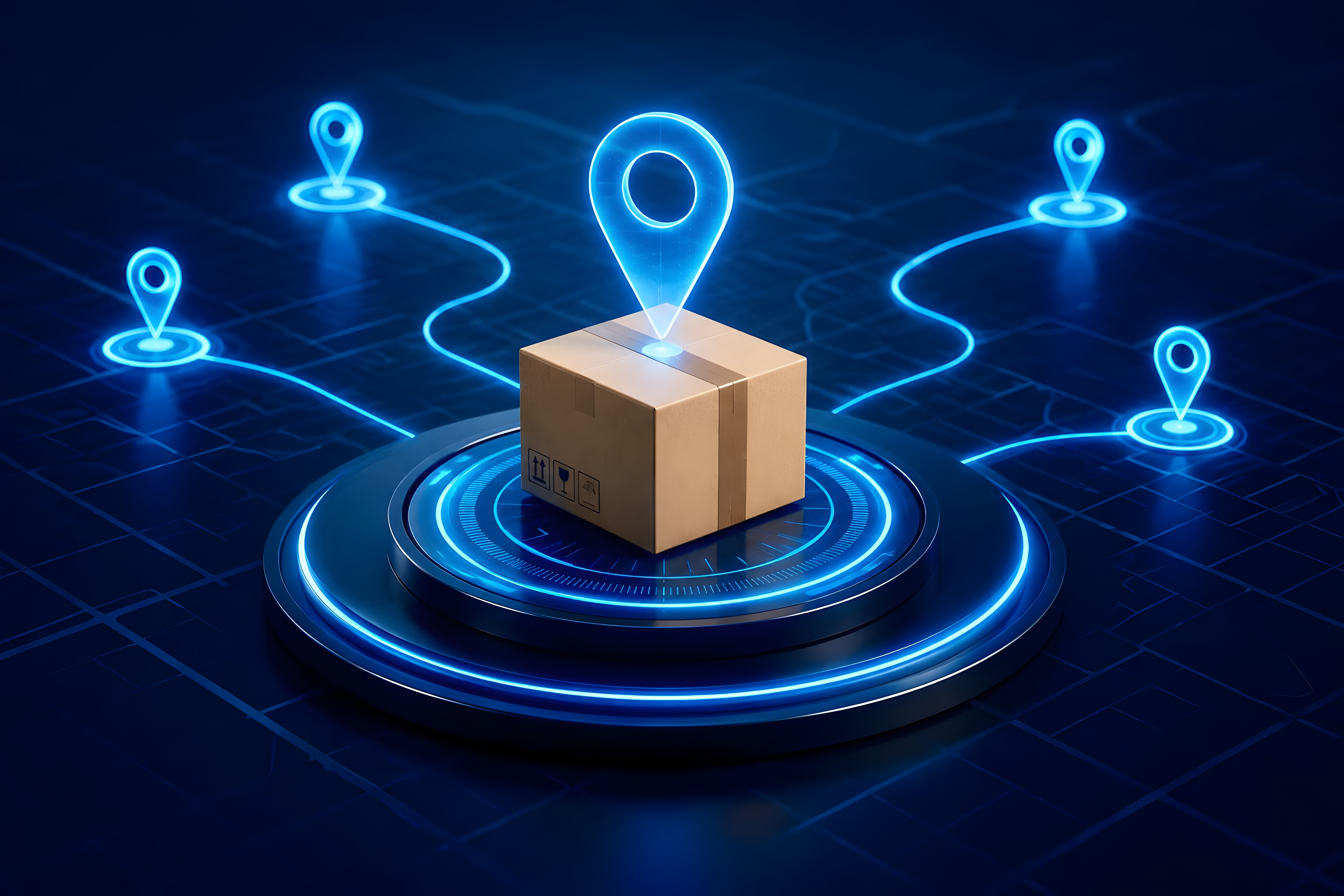
Real-time tracking, automated documentation, and live dashboards let us manage operations with facts rather than guesswork. Integrations with our existing cargo systems are designed to be seamless, so we don't have to rip and replace core systems overnight. Data-driven decisions become routine, from routing to yield management, because everything is visible and measurable in the cloud. We look for platforms built on enterprise cloud services for resilience and scale.
How SmartKargo Powers Seamless E-commerce Shipping
SmartKargo specialises in airline-focused cargo and ecommerce shipping software. As a cloud SaaS, the system ties our airline directly into retailer channels and parcel routes, enabling electronic documents, live tracking and ecommerce links that carry an order from the merchant system to customer delivery. It is airline-focused, with aviation processes and revenue bookkeeping at its core. SmartKargo also offers flexible commercial models, allowing us to try new parcel products without incurring heavy CAPEX.
Companies that run airline cargo or design ecommerce shipping products, adopting an end-to-end shipping platform is not optional. It is how their turn idle capacity into consistent revenue, simplify operations, and deliver the level of service retail customers now expect. A cloud-first cargo system gives them the agility to launch new parcel services, partner with retailers, and scale across markets with predictable costs.
FAQs
Q. What is end-to-end shipping software and why is it critical for modern ecommerce scalability?
A. End-to-end software unifies booking, movement, customs and last mile in one platform. It reduces dwell time, enables straight-through processing and makes new parcel services commercially viable.
Q. How does multi-carrier integration solve shipping bottlenecks and reduce dependency risks?
A. Multi-carrier integration automates routing and fallback options, so you can re-route capacity dynamically and avoid single-supplier failure without manual orchestration.
Q. How does shipping software improve customer experience?
A. It gives real-time tracking, faster exception handling and consistent SLAs. Visibility and accurate ETAs reduce disputes and improve partner retention.
Q. How does end-to-end shipping software enhance partnerships between airlines and e-commerce retailers?
A. APIs and standardised events let retailers plug into airline capacity directly, simplifying settlement and enabling joint products like airline-led express parcel services.
Q. What advantages does end-to-end shipping software offer over traditional logistics solutions?
A. It offers single-source data, automated revenue accounting, lower cost per parcel through capacity monetisation, and faster lane launches with less IT effort.
Q. How does end-to-end shipping software support e-commerce growth?
A. By streamlining onboarding, automating customs and scaling capacity allocation, the platform lets you expand lanes and volumes without proportional increases in headcount or capital.