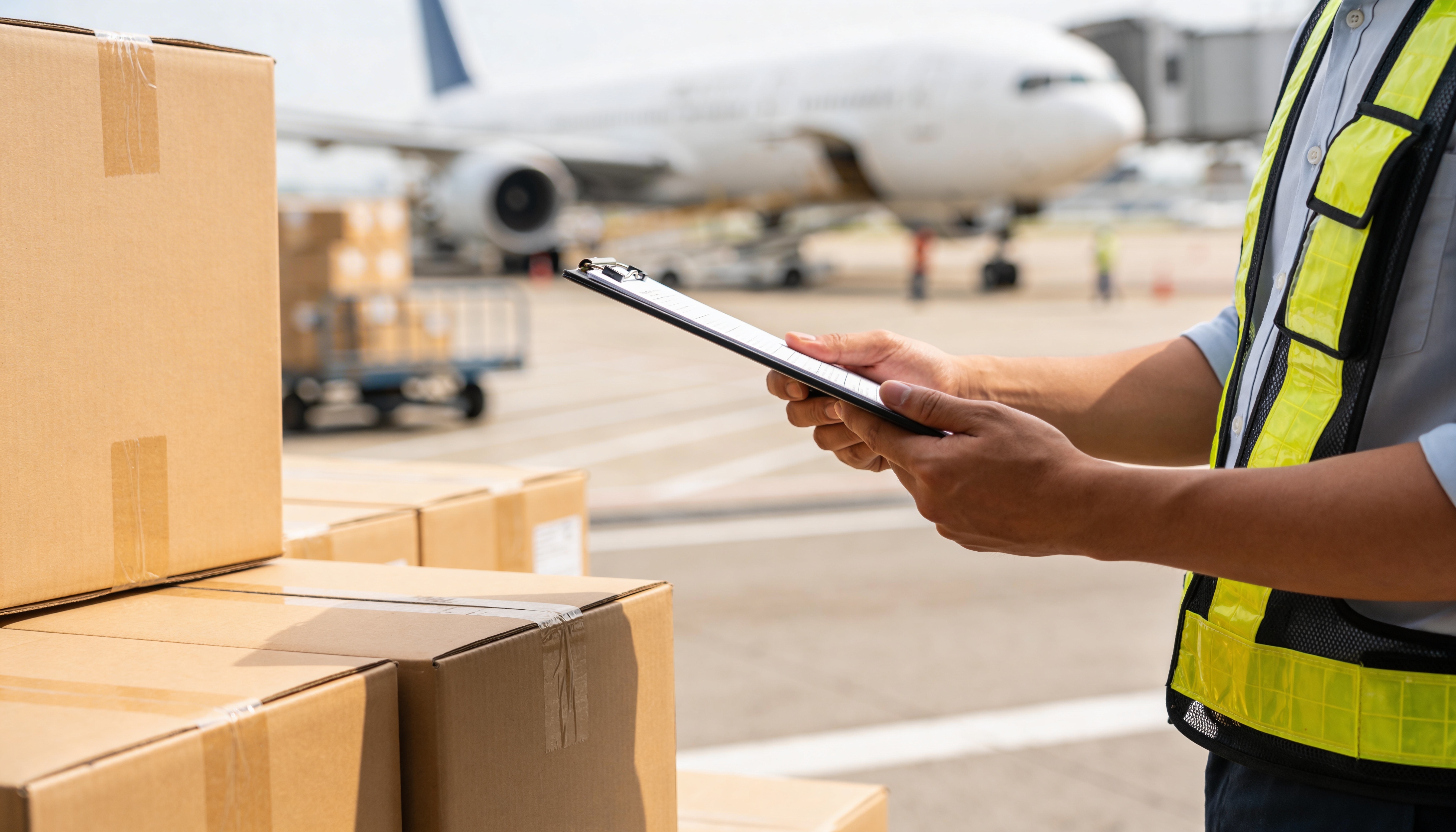
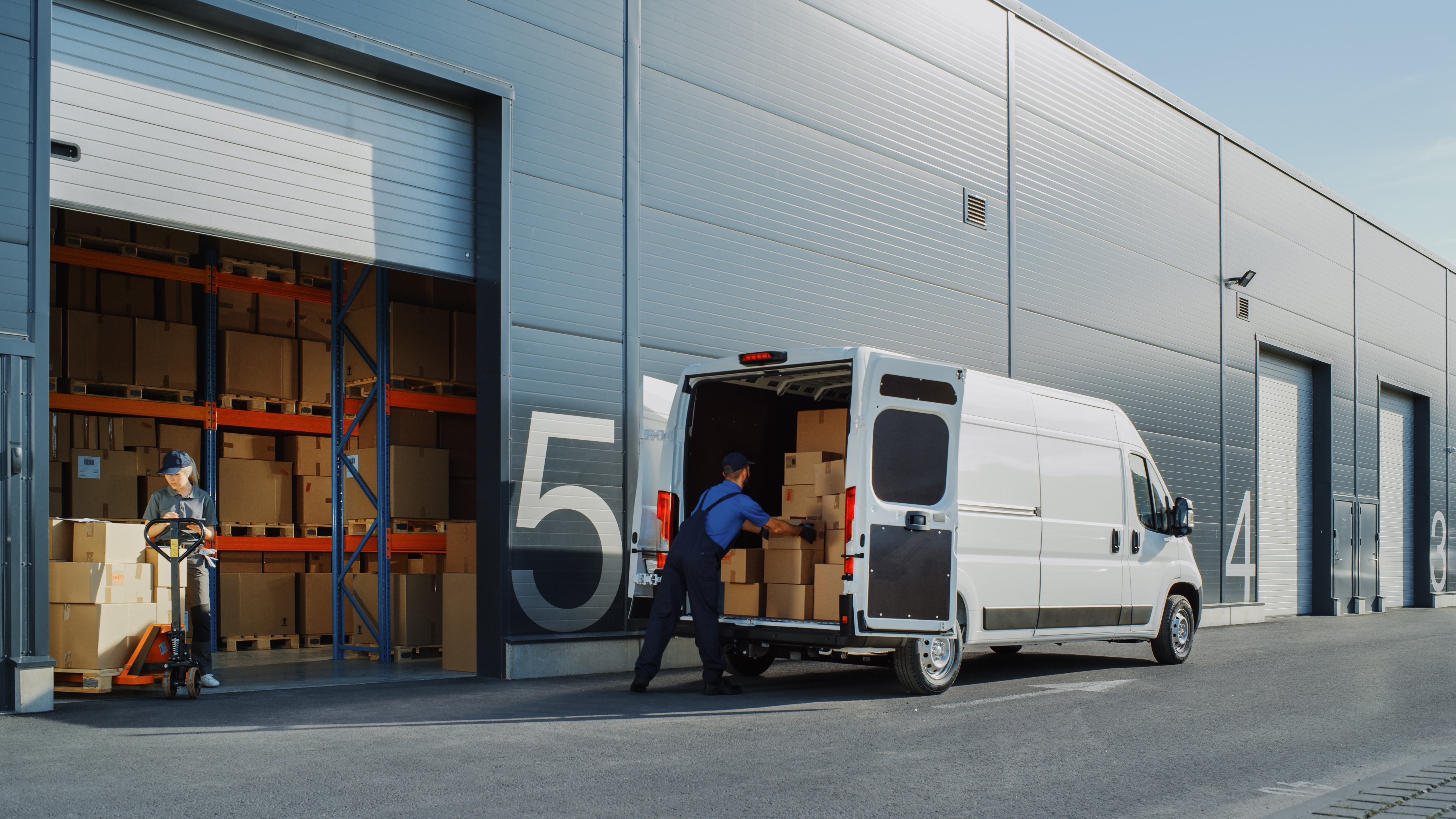
Airlines worldwide are sitting on a vast untapped revenue source: their cargo operations. Despite carrying goods on nearly every flight, many carriers earn far less than their full potential from cargo sales. At the same time, e-commerce growth has driven a surge in demand for faster shipping. Digital air cargo management is becoming a key driver to meet this demand and unlock new income. SmartKargo stands at the forefront of this shift. It offers airlines a unified cargo management system that helps them make the most of their capacity, use data better, and build new revenue streams. In this article, we look at how digital air cargo management can change the landscape for airlines and help them boost their earnings.
Hidden Revenue Opportunities
The air cargo industry moves a massive number of parcels every day. In fact, industry estimates show that hundreds of millions of small parcels are shipped worldwide each day. Thousands of flights operate at any moment worldwide. Yet available belly-hold capacity on passenger flights remains significantly underutilized, representing billions in potential lost revenue. This unused space represents a huge opportunity for carriers.
At the same time, global e-commerce volumes continue to grow. More businesses and customers want speedy delivery for goods ordered online. But many airlines still rely on outdated systems to manage cargo. They often carry only large shipments and do not fully use their existing data or capacity. This leads to missed revenue chances. With better cargo management systems, airlines can tap into this demand and reduce wastage of space.
Revenue Optimisation Through Technology
Digital solutions are now critical for modern cargo operations. One example is SmartKargo’s AI-enabled Revenue and Capacity Management solution, known as AIRCAM. This system predicts demand and allocates capacity more accurately. It allows airlines to price cargo in real time based on market changes.
Airlines can forecast revenue and react quickly to demand shifts with AI-driven tools. Digital cargo management systems also combine pricing, rating, accounting, and planning into one system. These systems deliver real-time profitability analysis that supports better decision-making.
SmartKargo’s platform supports multiple sales channels. It helps airlines sell cargo space directly, through e-commerce platforms, via express couriers, and to traditional freight forwarders. This broad reach ensures carriers can tap into new revenue streams. Automated billing, online bookings, and integrated pricing help to reduce manual tasks and errors.
These features let staff focus on better planning and faster execution. Airlines can unlock revenue from e-commerce by connecting directly with online retailers. This was not possible with older legacy systems. SmartKargo’s cargo management system speeds up these processes and brings them together in a single digital platform.
Digital Tools That Drive Revenue Growth
Advanced technology brings a range of useful tools. Business intelligence dashboards help airlines see trends in their data. Users can visualise capacity use, pricing changes, profit margins, and shipment demand. With clearer insights, airlines can forecast revenue more reliably and adjust flight schedules or pricing accordingly.
Rate management tools in digital systems also save time and money. Advanced rate management tools can reduce large rate tables to more manageable structures. This simplification greatly improves pricing accuracy and reduces administrative work. Automated planning tools help airlines prepare for busy seasons or sudden demand spikes. They provide faster and more accurate forecasts, reducing uncertainty.
Process automation also helps reduce operational costs. Tasks that once needed manual input can be fully automated, from booking confirmations to revenue accounting. As a result, airlines reduce errors and save staff hours. Altogether, these tools make cargo operations more efficient and profitable.
Proven Results with Airlines
Airlines across the globe have seen benefits by using SmartKargo’s platform. Many carriers can now manage high volumes of small parcel shipments, especially those from e-commerce. They report better pricing control, greater capacity planning, and faster booking processes. Many leading carriers use SmartKargo solutions, enabling them to better capture the fast-growing demand for small parcel cargo. By transitioning to digital cargo management systems, these carriers reduce operational delays, streamline processes, and significantly improve staff productivity.
Case studies show how digital air cargo management has improved yield and customer satisfaction. With improved sales channels, airlines can respond to market changes faster. They sell the right cargo space at the right price. AI forecasting tools help airlines estimate cargo demand for future flights. This ensures fewer empty seats in the cargo hold and reduces missed revenue. They can also deliver more precise quotes to customers, increasing trust and repeat business.
Digital air cargo management is no longer optional for airlines that want to stay profitable. It has become a key part of their strategy for growth. Systems like the SmartKargo cargo management system help airlines unlock new revenue opportunities. They use AI tools like AIRCAM to plan smarter and sell smarter. Digital tools make it easier to connect with e-commerce partners, reduce empty cargo space, and improve pricing. By adopting this technology, airlines can boost revenue, reduce costs, and stay ahead in a fast-changing market. Today’s cargo systems are not only about moving goods. They are about moving goods with insight, speed, and new revenue at every step.
FAQs
Q. How much cargo capacity do airlines typically have unused on their flights?
A. Airlines often fly with 50 to 60 percent of their cargo space unused. This empty space is a missed revenue opportunity that can be filled with small parcels and e-commerce shipments.
Q. What is AI-enabled revenue management in air cargo operations?
A. AI-enabled revenue management uses real-time data to predict demand, set prices, and allocate space. It helps airlines improve yield and respond quickly to market changes.
Q. How can airlines capture e-commerce shipping revenue?
A. Airlines can connect directly with e-commerce platforms through digital cargo systems. This allows them to handle high-volume small parcels and open new revenue streams.
Q. What are the hidden revenue opportunities in small package air cargo?
A. The growth of global e-commerce creates demand for fast small-parcel shipping. Airlines can use unused belly space to carry these parcels and increase revenue.
Q. How does digital cargo management reduce operational costs for airlines?
A. Digital systems take over tasks like booking, billing, and accounting. They reduce the amount of manual work, lower the chances of mistakes, and help airlines plan their operations better. All of this leads to lower overall costs.