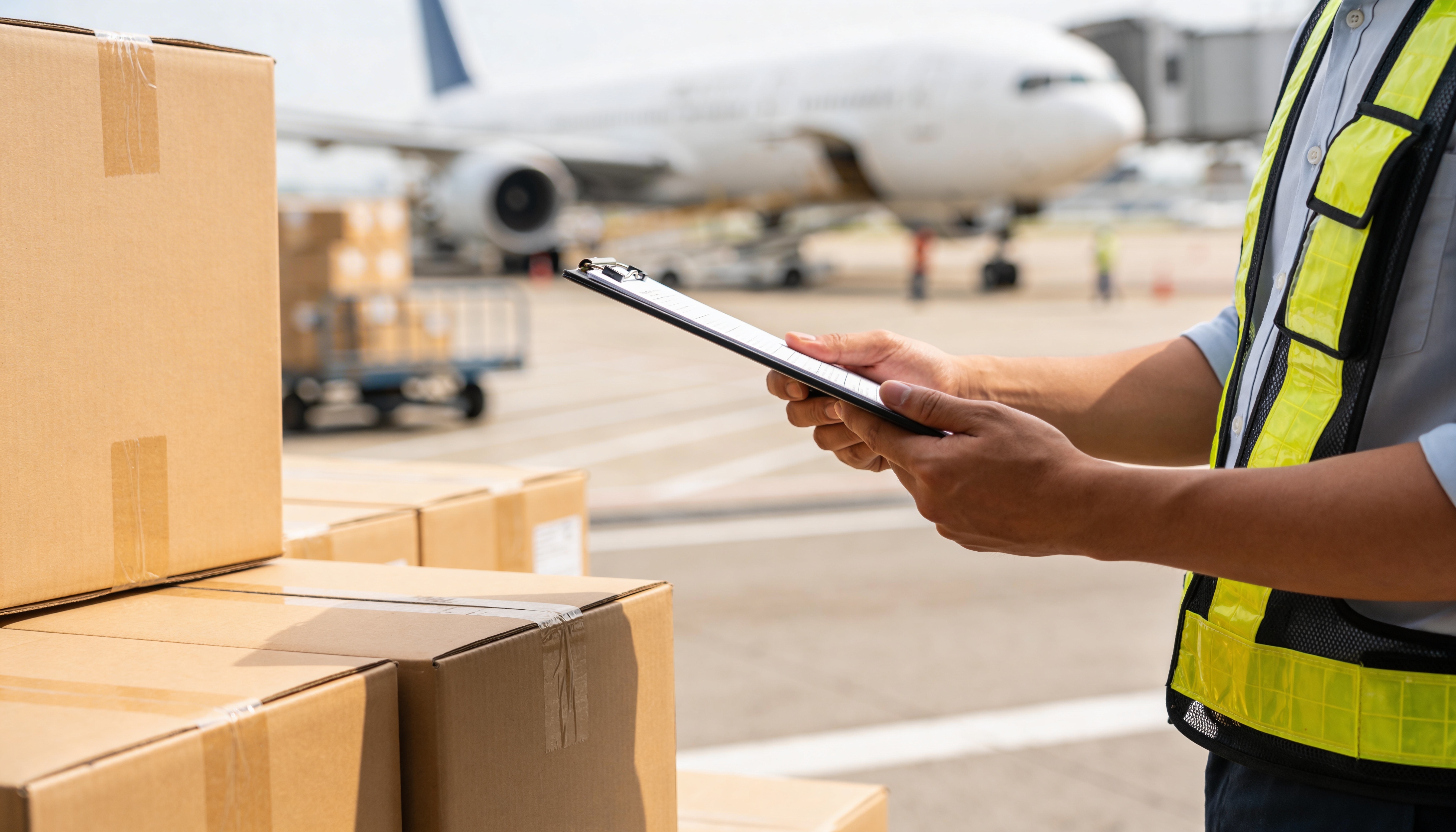
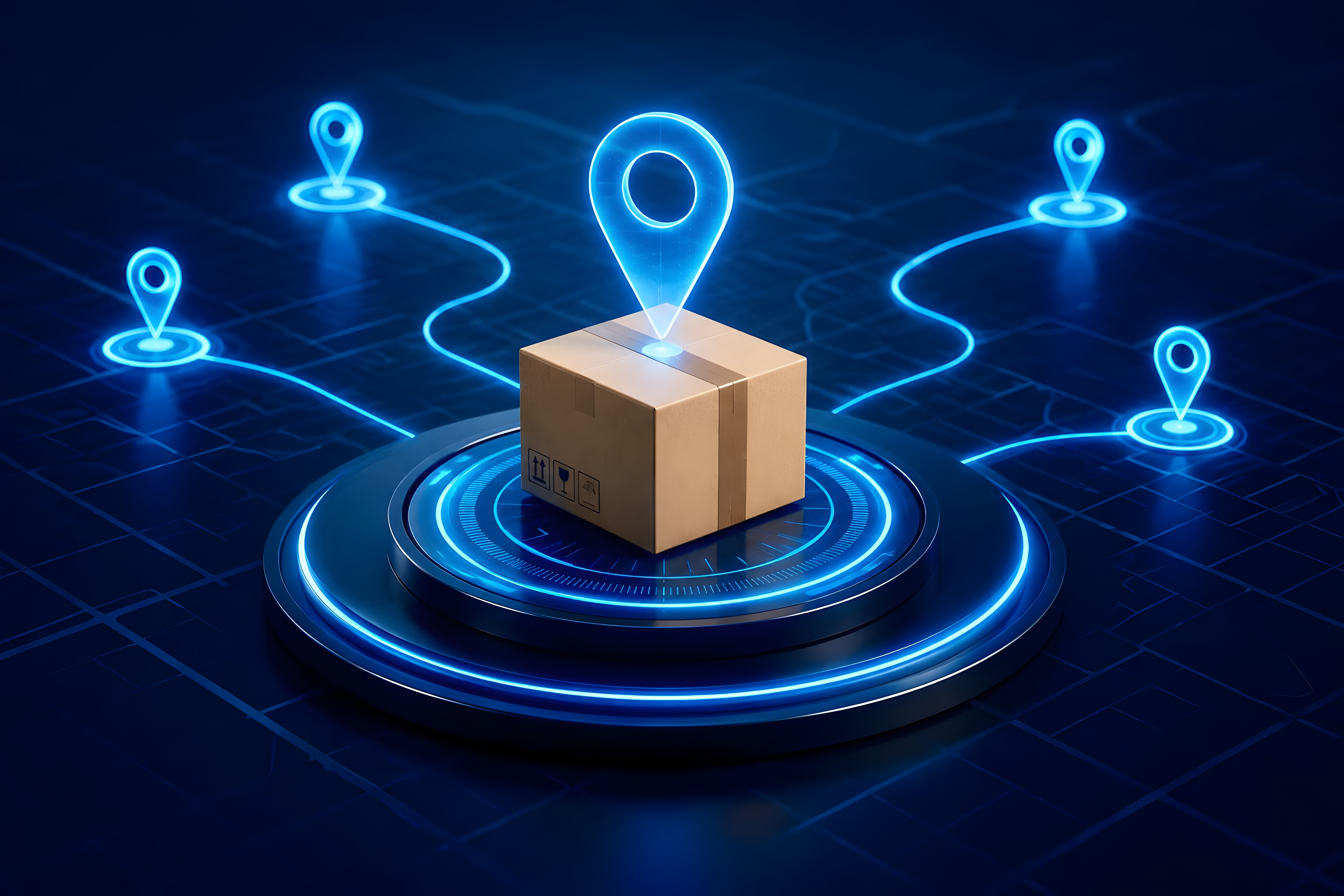
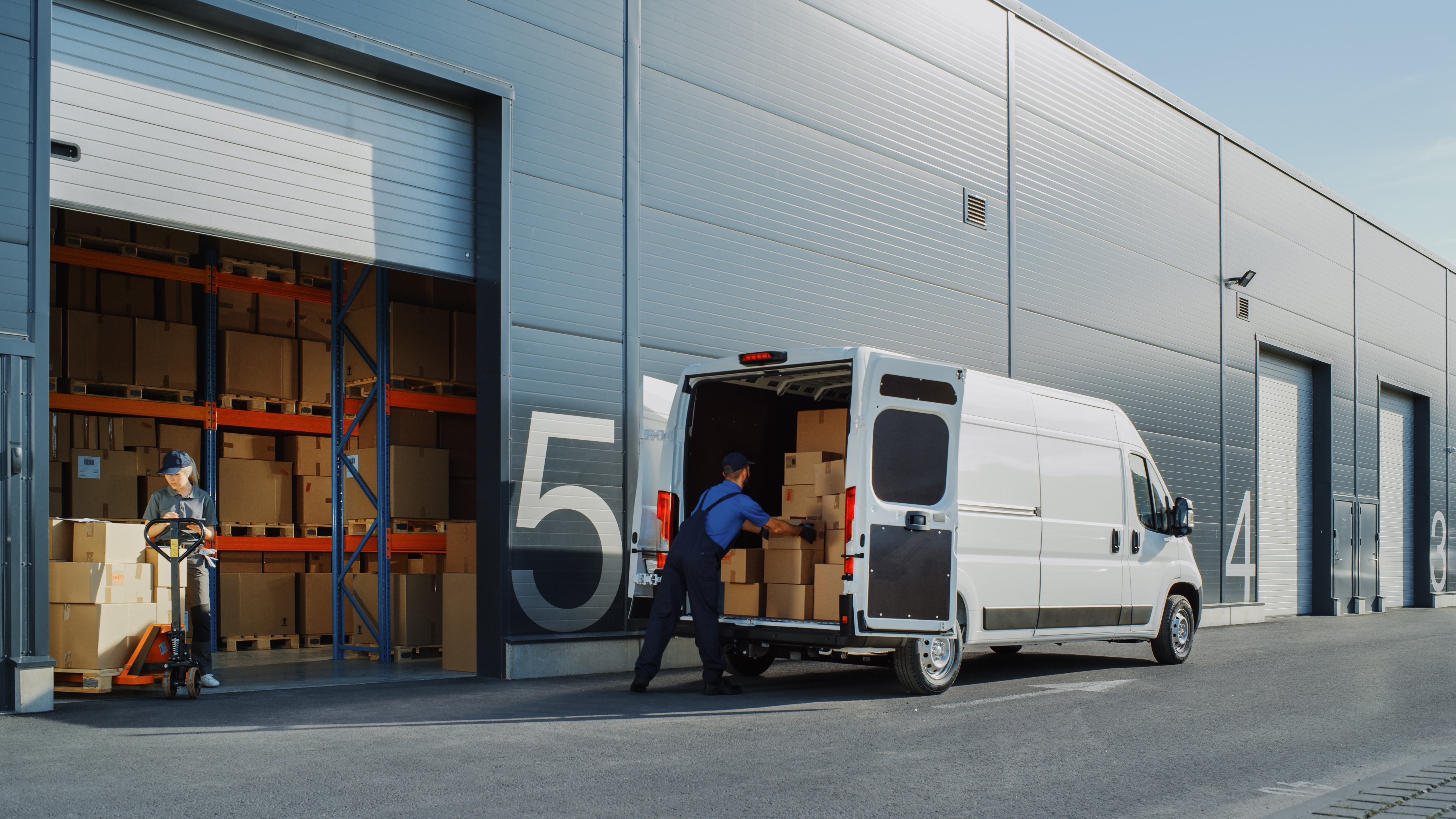
Air freight shipping has become essential for global commerce, enabling businesses to move goods quickly across continents and maintain agile supply chains. However, many traditional cargo systems struggle to meet modern operational demands. Their manual processes and fragmented architecture limit visibility, create bottlenecks, and increase costs. As e-commerce and cross-border trade accelerate, businesses need sophisticated platforms that can handle complex, multi-stakeholder logistics operations efficiently. SmartKargo’s cloud-based platform improves how businesses manage air freight operations. These systems improve efficiency and reduce errors, which helps businesses stay competitive. This guide shares the main parts of air freight logistics and explains how technology can streamline cargo operations.
Key Components of Air Freight Logistics
-
Fast movement of goods by air:
Air freight shipping allows quick transport across regions. It supports businesses that need dependable and time-sensitive delivery. Stakeholder coordination:
Airlines, freight forwarders, customs teams, and ground handlers take part in the process. Good coordination keeps shipments moving without delays.Cargo booking and capacity use:
Space is assigned based on aircraft availability. Proper booking helps make better use of cargo capacity.Shipment handling and preparation:
Cargo is labelled, secured, and checked before loading. Careful handling protects goods during the journey.Documentation and compliance:
Airway bills and customs forms must be accurate. Clear documentation prevents border delays in international freight shipping.Real-time tracking and visibility:
Businesses can follow shipments at important points. Visibility supports quick decisions and improves service reliability.Support for e-commerce and bulk cargo:
Systems support e-commerce parcels and general cargo shipments. This flexibility meets the needs of modern e-commerce shipping.Digital pricing and revenue tools:
Integrated tools manage pricing, billing, and revenue data. These tools make financial work easier for cargo operators.End-to-end supply chain visibility:
Digital platforms share updates with all partners. This reduces errors and improves the accuracy of shipments.
Understanding Air Freight Shipment Challenges
Air freight operations face persistent operational challenges that impact efficiency and profitability. Aircraft space booking remains time-consuming and often manual, while documentation processes continue to require significant human intervention. With multiple stakeholders—airlines, freight forwarders, customs authorities, and ground handlers—operating in fragmented systems, information silos prevent effective coordination. These disconnected architectures create delays, increase error rates, and limit real-time visibility into shipment status, ultimately driving up operational costs and reducing service quality.
Tracking shipment status can be difficult, and many businesses still lack real-time visibility into their cargo. This causes delays, errors, and higher costs. Without immediate updates, teams work with incomplete information. These gaps make it harder to offer reliable services. A modern and integrated approach is now essential for businesses that want better performance.
Strategies to Streamline Air Freight Logistics
Businesses can simplify their air freight operations with a unified platform. One system can manage booking, tracking, documentation, and billing. SmartKargo offers this unified method for businesses. Its cloud-native platform supports all work from the first to the last mile. It connects carrier websites, GDS portals, and mobile apps. This multi-channel setup expands booking options for users.
Built on Microsoft Azure's enterprise-grade infrastructure, SmartKargo delivers global scalability, 99.9% reliability, and worldwide availability—ensuring your cargo operations run seamlessly across all regions and time zones. Automated booking and documentation cut down manual work. Real-time capacity management helps airlines and partners make better decisions. The platform also connects freight forwarders, e-commerce retailers, and ground handlers. This creates a single ecosystem that offers faster service and stronger visibility for cargo shipments.
Key Features for Business Efficiency
Modern air freight management platforms deliver capabilities that directly impact bottom-line performance. Real-time tracking provides end-to-end shipment visibility across all checkpoints, enabling proactive exception management. Automated customs documentation eliminates manual paperwork, reducing border clearance times by up to 60%. Integrated revenue accounting consolidates pricing, billing, and financial reporting into a single system, eliminating reconciliation errors and providing instant financial visibility.
Analytics dashboards give clear business insights that support better decisions. Easy return handling supports e-commerce return workflows. Flexible SaaS-based models help airlines and logistics partners reduce CAPEX and OPEX. These features help companies compete in fast-paced markets. They also create new revenue streams by monetising unused cargo space.
Real Business Impact
The business impact of modern air freight technology is both measurable and substantial. An early-adopting carrier that implemented SmartKargo’s cloud-based platform saw rapid operational gains within the first month of deployment:
-
Reduced the booking process from seven steps to a single step—an 85% reduction in complexity
- Simplified rate management by cutting rate lines from 70,000 to 4,000—a 94% reduction
- Shortened transaction completion time by 50%
- Eliminated redundant paper-based processes through mobile system access
Air freight shipping plays an important role in global trade and e-commerce logistics. Traditional systems cannot match the speed and scale needed today. Complex workflows and manual tasks increase costs and slow daily operations. A unified platform such as SmartKargo gives businesses a better way to work. Cloud-based tools make booking, tracking, and documentation easier to manage. Integration with airlines, freight forwarders, and e-commerce partners helps companies handle cargo shipments with greater accuracy. Modern technology is no longer optional. It is essential for businesses that want to stay strong in a fast-moving global market. SmartKargo’s air cargo platform helps businesses move cargo faster and offer better customer experiences.
FAQs
Q. What are the biggest challenges businesses face with air freight shipping?
A. Companies face fragmented systems, manual work, and limited visibility. These issues cause delays, higher costs, and make it hard to manage cargo across different partners.
Q. How can an integrated platform streamline air freight logistics operations?
A. A unified platform brings bookings, tracking, documentation, and billing into one place. This lowers manual effort, improves coordination, and gives all stakeholders real-time visibility.
Q. What is the difference between traditional and modern air freight management systems?
A. Traditional systems depend on manual steps and separate tools that slow daily operations. Modern platforms use cloud technology, automation, and data integration to provide faster and more accurate cargo management.
Q. How does automation reduce air freight shipping costs for businesses?
A. Automation cuts labour time, reduces errors, and speeds up key processes. It helps businesses use capacity better, avoid delays, and lower operating expenses.
Q. What features should businesses look for in an air freight management platform?
A. Important features include real-time tracking, automated documentation, integrated pricing, analytics dashboards, and smooth partner connectivity. These tools improve speed, accuracy, and reliability.
Q. How long does it typically take to implement a digital air freight solution?
A. The time needed depends on the organisation and the size of the system. Most cloud platforms can be deployed quickly and expanded in stages with minimal disruption.