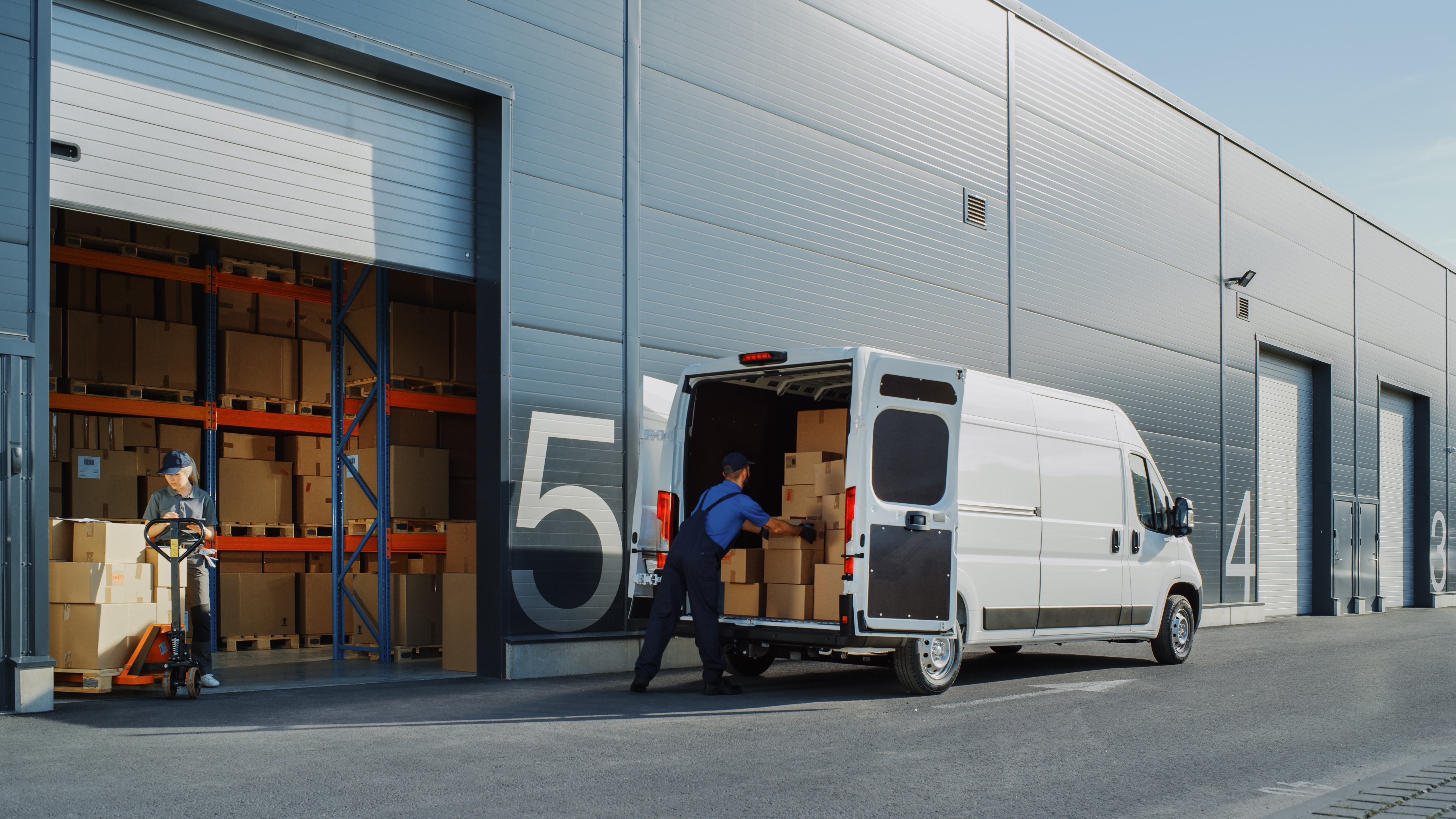
The e-commerce explosion has forever transformed air cargo. Every day Over 1 billion packages move across borders, and that number keeps climbing. If you're an airline stepping into this space, you're navigating a maze of e-commerce air logistics regulations that can make or break your operations.
But what works in traditional cargo doesn't cut it anymore. You're dealing with thousands of small shipments instead of a few large ones. Each package crosses multiple countries, each with its own rules. One missed detail can ground your shipment, delay deliveries, and frustrate customers who expected their orders yesterday.
However, modern technology has caught up with these challenges. Airline regulatory compliance doesn't have to slow you down. With the right systems and strategies, you can turn compliance from a headache into your competitive edge. This guide walks you through the regulatory landscape, shows you what matters most, and gives you practical steps to stay compliant while keeping your operations smooth and fast.
Major Regulatory Challenges in E-commerce Air Logistics
Traditional cargo follows predictable routes and standard documentation. E-commerce, however, is fast, chaotic, and requires precise handling at scale. Each package can contain different products, cross borders, and face varying regulations. Missing one requirement can cause delays, fines, and h arm relationships with retail partners who rely on on-time delivery.
Customs and Cross-Border Compliance
-
International shipping documentation: You need accurate invoices, detailed product descriptions, and correct valuations. Generic labels like “electronics” won’t clear customs anymore.
- Automated customs clearance: Manual entries aren’t feasible at scale. You need systems that auto-generate and submit documentation.
- Accurate declarations for small parcels: One wrong HS code or value can delay a shipment. When multiplied across thousands of packages, small mistakes cause big issues.
Dangerous Goods Regulations
-
IATA DGR: Rules for what can be flown and how it must be packaged. Updated annually, so staying current is mandatory.
- Lithium battery restrictions: Electronics like phones, laptops, and power banks are heavily regulated. They must be identified, classified, and handled under strict protocols.
- Cosmetics & perfume classification: Beauty products often contain alcohol or aerosols, with handling rules that vary by concentration and quantity.
- Labelling & documentation: Dangerous goods require specific labels, declarations, and manifests. Missing or incorrect paperwork can lead to serious penalties.
Security and Screening Requirements
-
TSA and international security: Screening rules vary by country, so what’s allowed in one place may be rejected in another.
- Known Shipper programs: Working with verified shippers speeds up operations but requires ongoing documentation and audits.
- Cargo screening mandates: Cargo must be screened per protocol, and manual screening isn’t feasible for high e-commerce volumes.
- Chain of custody: You must document who handled each package, when, and where to ensure accountability.
Data Privacy and Protection
-
GDPR for European shipments: Shipping to/from Europe involves EU citizen data, and violations can lead to heavy fines.
- Customer data rules: Names, addresses, and payment details must be protected, with different rules per region.
- Cross-border data transfer: Moving customer data across borders needs safeguards and documentation.
- Protect shipper & consignee info: You must secure both sender and receiver data throughout shipping.
Trade Compliance
-
Import/export restrictions: Countries have changing lists of prohibited or restricted items.
- Sanctions: Shipping to/from sanctioned countries or entities can lead to serious legal penalties.
- Product-specific rules: Items like pharmaceuticals, medical devices, and agricultural goods may need special permits.
- Licensing: High-value, tech, or strategic products often require export licenses.
Documentation Complexity in E-commerce Air Cargo
Documentation is the backbone of air cargo compliance. In traditional cargo, teams manage dozens of shipments daily, handling documents carefully. With e-commerce, you’re processing thousands of shipments, each requiring complete and accurate paperwork. The real challenge is the speed. One document error can cause delays, audits, fines, and harm your reputation with e-commerce partners.
Multiple Document Types
-
Airway Bill (AWB): The main tracking and contract document for each shipment must be filled out correctly.
- Commercial Invoice & Packing List: Lists contents, values, and quantities for customs and duty assessment.
- Certificate of Origin: Needed for trade agreements or specific regulated products.
- Import/Export Permits: Required for certain items and must accompany the shipment.
- Dangerous Goods Declaration (if applicable): Mandatory for regulated items, completed per IATA standards.
Volume Challenges
-
Reviewing hundreds or thousands of documents daily is impossible to do manually without errors.
- Manual documentation leads to typos, wrong codes, and missing fields.
- Compliance delays slow delivery, hurt customer satisfaction, and strain partner relationships.
- Manual verification consumes staff time that could be used for exceptions and customer support.
Accuracy Requirements
-
No room for documentation errors: Customs won’t accept mistakes; one wrong HS code digit can delay shipments for days.
- Mistakes mean penalties and delays: Errors lead to fines and operational hold-ups.
- Delays hurt customer satisfaction: E-commerce customers expect fast delivery; compliance delays lead to bad reviews and lost business.
- Compliance failures cost revenue: Repeated issues can damage reputation and partnerships in the e-commerce logistics market.
Technology Solutions for Regulatory Compliance
Technology turns compliance from a hurdle into a competitive edge. Modern cargo ERP systems automate compliance, ensuring accuracy and audit readiness while eliminating manual work. The right system integrates with customs, e-commerce platforms, and your operations to create a smooth order-to-delivery flow with flawless compliance records.
Automated Compliance Management
-
Cloud cargo ERP with compliance built-in: Automatically applies current regulations across all jurisdictions.
- Automated documentation: Generates accurate shipment paperwork without manual entry.
- Real-time validation: Detects errors instantly before shipment movement.
- Customs integration: Electronically submits documents, speeds up clearances, and stores records digitally.
Intelligent Data Validation
-
Pre-shipment compliance checks: Validate shipments against current regulations before entry.
- Automatic restricted-item flagging: Immediately identifies prohibited goods to prevent violations.
- HS code validation: Auto-corrects product classification to avoid delays.
- Address verification: Ensures delivery addresses meet postal and customs requirements.
Seamless Integration
-
Direct integration with e-commerce platforms for automatic data flow.
- Orders automatically convert into shipping documentation.
- Electronic customs integration speeds up clearance and reduces paperwork.
- Digital submission of regulatory documents improves speed, accuracy, and audit tracking.
Dangerous Goods Screening
-
Automated restricted item detection: Scans product descriptions to flag items requiring special handling.
- Lithium battery identification: Automatically flags electronics with batteries for proper processing.
- Correct classification & handling: Provides accurate codes and handling instructions for dangerous goods.
- Compliance document generation: Automatically creates required dangerous goods declarations.
Audit Trail and Reporting
-
Full shipment tracking: Every shipment action is automatically logged.
- Compliance records: Maintain complete documentation for all requirements.
- Audit-ready documentation: Organized records ready for review.
- Performance & compliance analytics: Monitor rates, spot issues, and show improvement.
Best Practices for Airlines
Success in e-commerce air logistics requires scalable, systematic compliance. Leading airlines embed compliance through smart technology, strong partnerships, and continuous improvement. Treating compliance as an afterthought is costly; done right, it becomes a key differentiator in a market where speed and reliability win.
Invest in Technology Infrastructure
-
Use modern cargo ERP built for e-commerce, not legacy systems.
- Automate compliance to eliminate manual errors and delays.
- Ensure the system scales smoothly from hundreds to thousands of shipments.
Partner with Compliance Experts
-
Partner with established e-commerce aggregators to benefit from their compliance expertise and networks.
- Use platforms that integrate directly with customs and regulatory systems in your markets.
- Choose partners who keep you updated on regulatory changes.
Training and Education
-
Ongoing staff training: Regular sessions to stay current on requirements.
- Clear SOPs: Document compliance steps for consistent execution.
- Cross-functional teams: Align operations, IT, and compliance for coordinated action.
Proactive Compliance Management
-
Regular audits: Conduct internal compliance checks before regulators, so you can fix issues privately.
- Ongoing updates: Keep systems current with regulatory changes across all regions.
- Compliance tracking: Monitor compliance rates, errors, and delays to improve performance.
- Fast response: Update systems and procedures immediately when regulations change.
Standardisation
Consistency reduces errors and simplifies training.
-
Consistent processes: Use the same procedures for all routes to reduce errors.
- Standardised templates: Create one high-quality template and use it everywhere.
- Unified compliance: Apply one set of rules consistently instead of multiple local versions.
SmartKargo's Compliance Capabilities
SmartKargo supports airlines with a cloud-based platform built for modern e-commerce operations.
-
Cloud-based compliance built-in: Automatically applies the right regulations for each shipment across jurisdictions.
- Automated docs & customs integration: Generates paperwork and submits electronically to customs systems.
- Trusted by 25+ airlines globally: Supports diverse regulatory needs across regions.
- Seamless system integration: Connects with e-commerce platforms, aggregators, and government systems for smooth data flow.
- Real-time compliance checks: Validates shipments instantly and flags issues before they escalate.
- Fast, non-disruptive deployment: Quick implementation without downtime or major operational changes.
Future of E-commerce Air Logistics Compliance
-
AI-driven compliance: AI will predict issues and suggest fixes before they happen.
- Blockchain verification: Tamper-proof documentation with instant cross-border validation.
- Global standardisation: International bodies are working to harmonise compliance rules.
- Automation becomes essential: Manual compliance won’t keep up with growing volume and regulations.
- Compliance as a competitive edge: Airlines that master compliance will gain e-commerce market share, while others will fall behind.
E-commerce has transformed air logistics, and regulations determine how airlines thrive. With the right technology, people, and processes, compliance becomes an advantage, not a burden. Understanding e-commerce shipping rules opens career opportunities in aviation, logistics, and global trade, where speed, safety, and compliance go hand in hand.
FAQs
Q. What are the main regulatory challenges in e-commerce air logistics?
A. The biggest challenges include customs and cross-border compliance, dangerous goods regulations (especially lithium batteries), security screening requirements, data privacy protection, and trade compliance across multiple jurisdictions.
Q. How do airlines ensure customs compliance for e-commerce shipments?
A. Airlines use automated cargo ERP systems with built-in compliance rules, generate accurate documentation automatically, validate HS codes and product descriptions before shipment, and integrate directly with customs authorities for electronic submission.
Q. What dangerous goods regulations apply to e-commerce air cargo?
A. IATA Dangerous Goods Regulations govern all air cargo, with a specific focus on lithium batteries in electronics, cosmetics containing alcohol or aerosols, and other restricted items common in e-commerce.
Q. How can cargo ERP systems help with regulatory compliance?
A. Modern cargo ERP systems automate compliance checks, generate required documentation, validate shipment data against current regulations, automatically flag restricted items, integrate with customs authorities for electronic submission, and maintain complete audit trails.
Q. What documentation is required for e-commerce air shipments?
A. Each shipment requires an Air Waybill, commercial invoice, packing list, and potentially certificates of origin, import/export permits, and dangerous goods declarations. The specific requirements vary by origin, destination, and shipment contents.