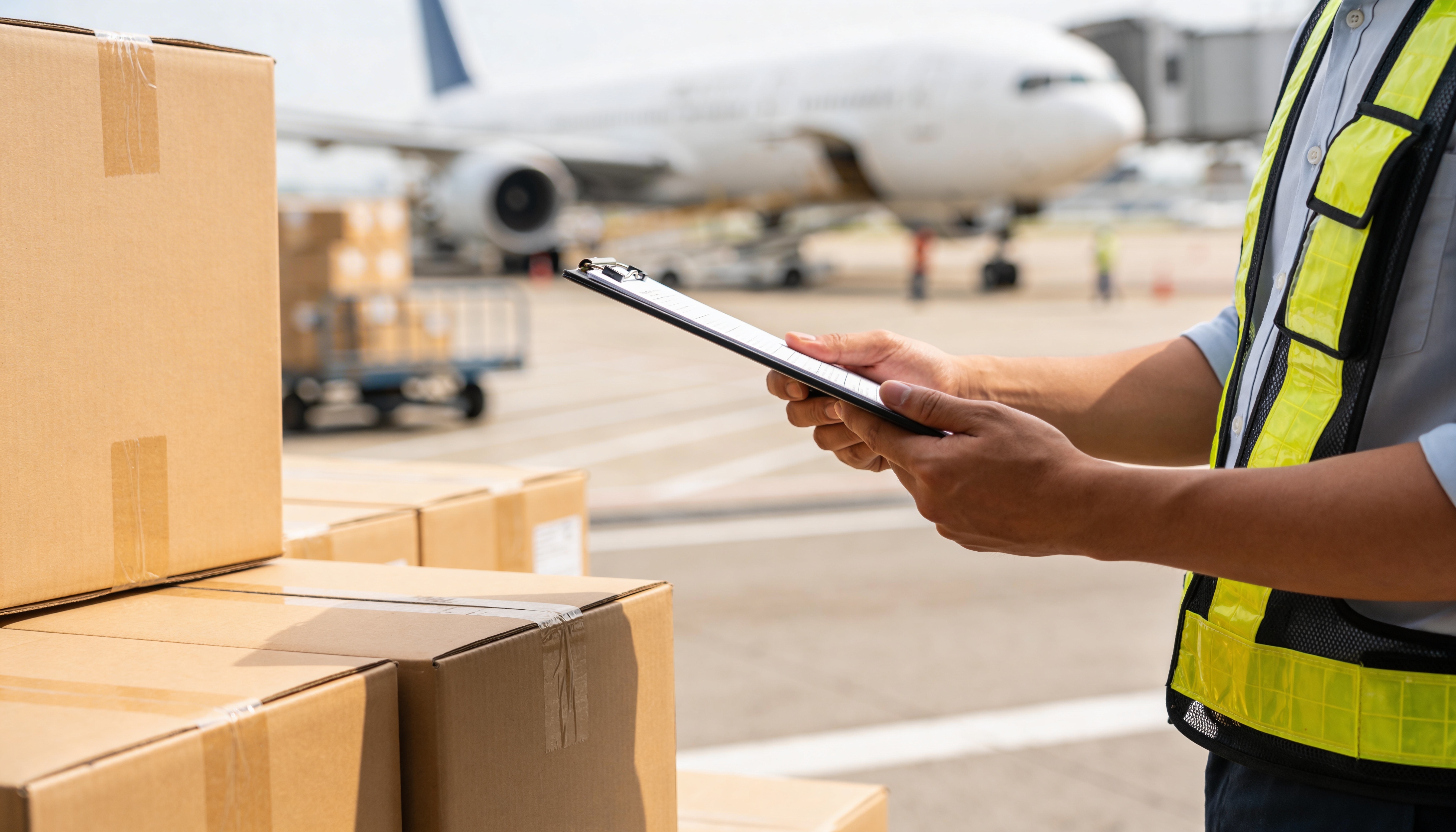
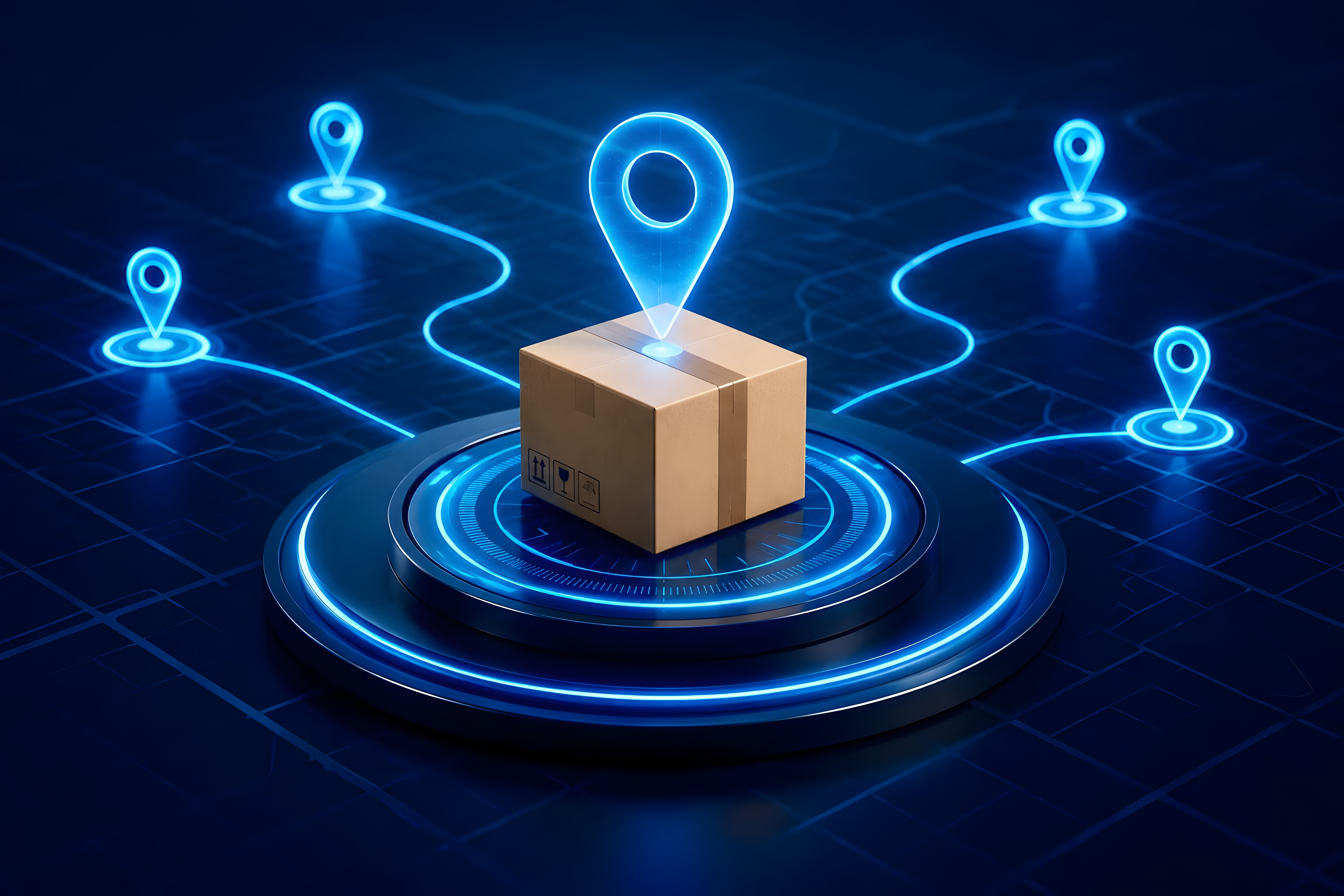
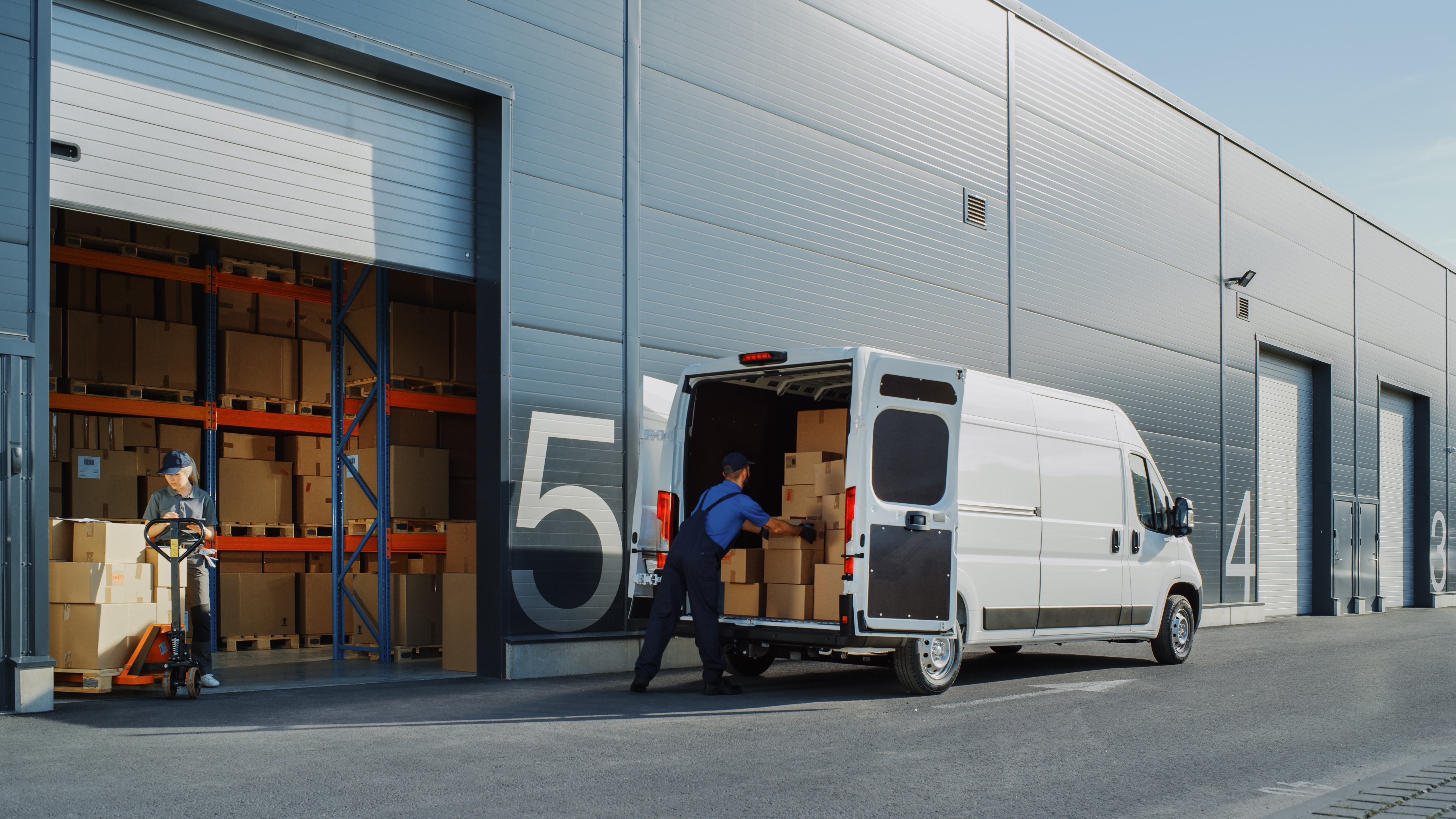
Industry research shows that around nine in ten online shoppers now consider real-time order tracking essential, making visibility a key part of the delivery experience. Customers want to know where their order is at every stage, from when it leaves the seller to when it reaches their doorstep. For airlines moving further into e-commerce and small-parcel cargo, meeting this expectation requires more than basic shipment updates. Every handoff, delay, or missing status can affect both the retailer's reputation and the airline's customer relationships.
SmartKargo helps airlines address this challenge by connecting cargo operations through a modern digital platform that supports greater shipment visibility and data flow. By bringing cargo information into a more connected environment, airlines can provide more consistent tracking experiences while improving how their teams manage shipments. As e-commerce continues to reshape air cargo, end-to-end visibility is becoming a core requirement for airlines competing on service, speed, and reliability.
What E-Commerce Customers Actually Expect from Shipment Visibility
Consumer shipment expectations have shifted well beyond a single delivery confirmation email. Today's e-commerce delivery experience is defined by continuous, accurate updates delivered without the customer having to chase them, and retailers are held to that standard regardless of which carrier or airline handles the shipment behind the scenes.
-
Real-time status at every milestone: booked, accepted, in transit, landed, out for delivery, and delivered, forming a complete order tracking system.
- Proactive notifications pushed to the customer, rather than requiring them to track down status themselves on a carrier site.
- A clear cargo audit trail and handling event history that builds trust whenever a shipment is delayed.
- Customs and regulatory status visibility for cross-border shipments, where delays are hardest for shoppers to understand.
- Delivery status tracking that closes the loop by confirming the order has reached the customer's door.
- One gap at any stage can break the entire customer delivery experience, no matter how smooth the rest of the journey was.
Where Visibility Breaks Down in Air Cargo E-Commerce Operations
End-to-end supply chain visibility sounds straightforward until it meets the reality of multiple handoffs across a cargo network. Each handoff between partners is a point where data can be delayed, lost, or never captured in a shared system.
Where Shipment Visibility Breaks Down
-
First-mile pickup: Collection partners often do not send real-time shipment data to the airline's cargo tracking software. This creates the first visibility gap before the shipment even enters the airline's network.
- Mid-flight leg: Shipment status can remain unchanged throughout the flight and only update after the aircraft lands. Customers and shippers lose visibility during a significant part of the journey.
- Ground handling: Data handoffs between the airline and ground-handling partners can create recurring visibility blackouts. Delays or status changes may not reach the airline's systems until much later.
- Last-mile delivery: The final delivery leg is often managed by a third-party logistics provider with limited integration into the airline's systems. This can leave airlines unable to provide complete end-to-end shipment status.
- Cross-border customs: Customs inspections, documentation issues, and regulatory holds are not always communicated in real time. Without timely updates, shippers may struggle to understand why a shipment has stopped moving.
- The customer impact: Every visibility gap can become more than an operational issue. When customers cannot see where their orders are or why they are delayed, both the retailer's reputation and the airline's credibility can suffer.
How SmartKargo Delivers End-to-End Visibility Across Every Cargo Leg
SmartKargo's shipment visibility software gives every stakeholder, including airlines, shippers, handlers, and delivery partners, the same real-time data at the same time, replacing the fragmented systems that create blind spots in the first place.
-
A unified data layer removes the blind spots that appear when each party works from a different system.
- Comprehensive audit trails and event tracking run from origin to destination on one freight visibility platform.
- Real-time notifications are pushed automatically at every key milestone, supporting genuine real-time shipment tracking.
- API integration connects e-commerce retailers and aggregators directly, so order status is visible from the shopping cart to the doorstep.
- Mobile access lets ground staff, warehouse teams, and delivery partners update status wherever they work.
- Customs and regulatory status are built into the tracking view, closing a common gap in cross-border shipments.
- AINOC, SmartKargo's AI-powered network operations capability, adds real-time intelligence across cargo flows and network performance.
The Business Case for Visibility: Revenue, Loyalty, and Cost Savings
E-commerce logistics visibility is not only a service feature. It measurably affects revenue, operating costs, and the strength of retailer relationships over time.
-
Real-time visibility improves loyalty and encourages repeat e-commerce businesses, since delivery experience shapes how customers rate a brand overall.
- Proactive notifications meaningfully cut inbound customer service queries, since shoppers already know where their order is.
- Real-time tracking and alerts reduce damage, loss, and service failures by catching problems earlier in the journey. The full commercial case for boosting e-commerce with connected cargo technology shows how visibility drives trust, reduces support costs, and increases repeat booking rates across both domestic and international trade lanes.
- Retailers increasingly choose airline partners based on tracking capability, not price alone.
- Data captured through visibility tools feeds back into demand forecasting and capacity planning, sharpening future decisions.
- Airlines with stronger tracking capability can command a premium position with e-commerce platform partners.
End-to-end visibility is the foundation of every successful airline e-commerce operation. Every gap in the journey is a revenue risk, and every connected leg is a loyalty opportunity. SmartKargo's unified platform closes visibility gaps across every cargo chain partner and shipment leg. See how SmartKargo delivers end-to-end visibility for airline e-commerce cargo operations.
FAQs
Q. Why is end-to-end visibility essential for e-commerce air cargo success?
A. End-to-end visibility gives airlines, retailers, logistics partners, and customers a consistent view of a shipment throughout its journey. A single tracking gap can leave customers unsure where their order is or why it's delayed, affecting the overall delivery experience. For airlines serving e-commerce, reliable visibility is therefore becoming an important part of service quality, alongside speed, capacity, and price.
Q. Where do visibility gaps most commonly occur in air cargo e-commerce operations?
A. Visibility gaps can occur at several points, including first-mile pickup, airport handling, mid-flight transportation, customs clearance, and last-mile delivery. These gaps often arise when partners use disconnected systems that don't share shipment data in real time. Without proper integration, an airline may have limited visibility into what happens before or after it handles the shipment directly.
Q. What shipment information do e-commerce customers expect to see in real time?
A. Customers increasingly expect clear shipment updates at every important milestone, from booking and pickup to airport processing, departure, arrival, customs clearance, and final delivery confirmation. They also want to know when a shipment is delayed or requires action. Timely, accurate status updates reduce uncertainty and give customers greater confidence in the delivery process.
Q. How does API integration improve end-to-end supply chain visibility for airlines?
A. API integration lets airlines and their partners exchange shipment information across systems without relying on manual updates or disconnected data exchanges. Retailers, freight forwarders, ground handlers, and airlines can share relevant information through a more connected data layer. This reduces visibility gaps, enables faster updates, and gives cargo teams a more complete view of shipment activity across the supply chain.
Q. How does real-time cargo tracking reduce customer service costs for airlines?
A. Real-time tracking can reduce customer service enquiries about shipment status, delays, and estimated delivery times. Instead of customers repeatedly asking, "Where is my order?", automated status updates and proactive alerts can provide the information before an enquiry is raised. This lets customer service teams spend less time answering routine tracking questions and more time resolving exceptions that require human attention.
Q. How does SmartKargo provide end-to-end shipment visibility for e-commerce airlines?
A. SmartKargo brings cargo processes and shipment information together through a unified, cloud-native platform, helping airlines create a more connected view of their cargo operations. Its capabilities support real-time alerts, data integration, and audit trails that can help teams track shipment activity and identify exceptions more efficiently. For airlines expanding their e-commerce cargo operations, this connected approach can support better visibility across the shipment journey and a more consistent customer experience.