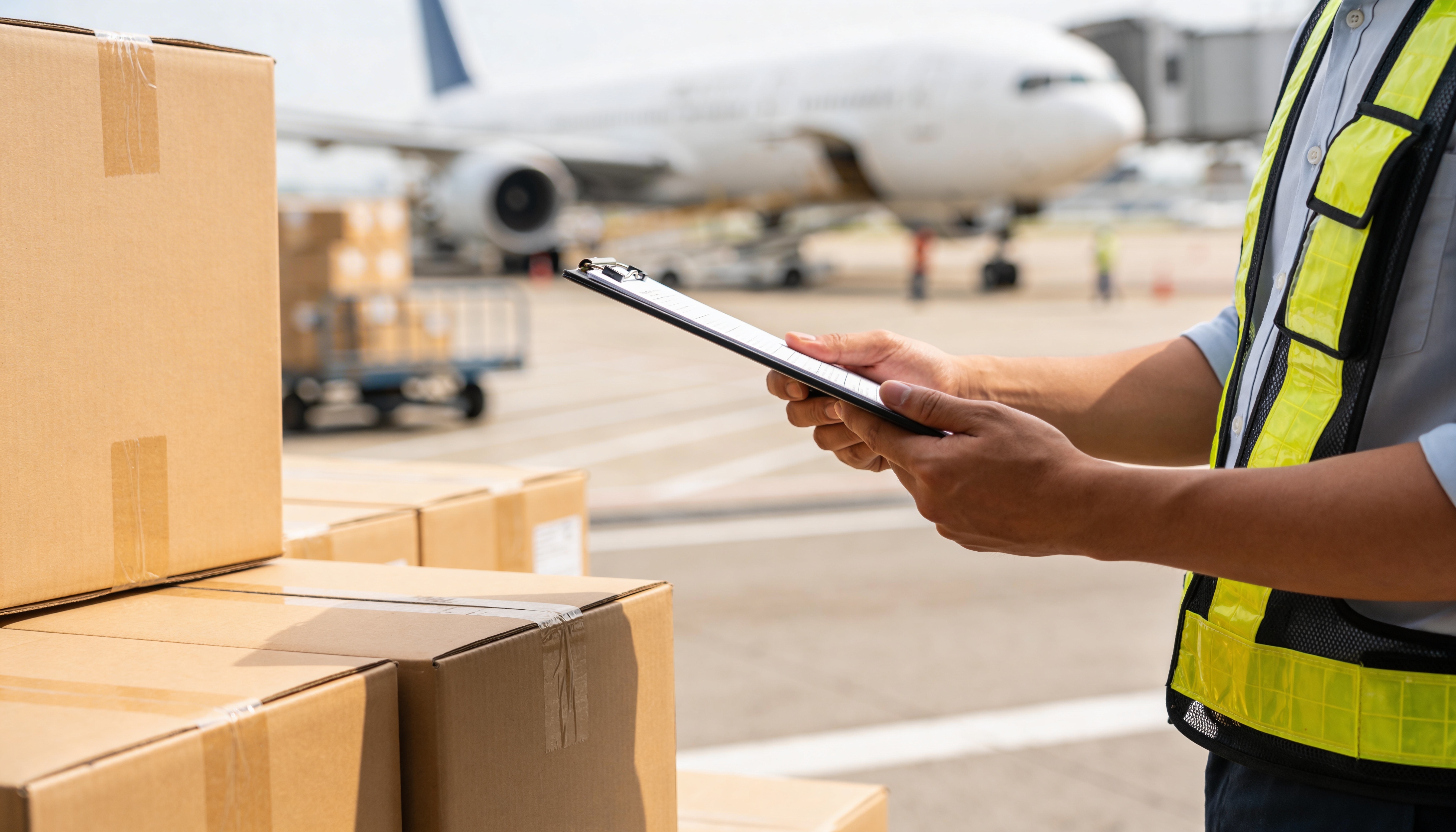
The air freight industry is at a crossroads. While the planes fly at the speed of sound, the air cargo operations often move at the pace of paperwork. Manual processes, fragmented systems, and limited real-time visibility create bottlenecks that cost time, money, and customer trust. People are dealing with rising fuel costs, tighter delivery windows, and increasing demand for transparency- all while competing in a market where efficiency determines survival.
But here's the good news: digitisation is reshaping air cargo services from the ground up. Technologies like electronic Air Waybills (e-AWB), Internet of Things (IoT) sensors, and artificial intelligence are operational necessities. These innovations help airlines and freight forwarders reduce costs, enhance air cargo tracking, and deliver the kind of service the customers now expect. Let's explore how these three game-changing technologies are transforming the operations.
e-AWB: The Foundation of Digital Air Cargo
The electronic Air Waybill reimagines how to manage information flow. An e-AWB replaces traditional paper documentation with digital records that travel electronically with the cargo, eliminating the data entry errors, processing delays, lost documents, and compliance headaches that plague paper-based workflows while creating a single source of truth accessible to everyone in the supply chain.
Key Benefits of e-AWB
-
Faster Processing Times: Digital documentation cuts hours from the handling procedures. No more waiting for physical papers to arrive, no manual data entry, and no scanning delays. The cargo moves the moment the data is done.
- Cost Reduction: People save on printing, courier services, storage, and manual processing. Industry data shows airlines can reduce document-handling costs by up to 30% by adopting e-AWBs.
- Regulatory Compliance: Built-in validation automatically ensures that shipments meet international standards. There is a reduction of the risk of customs delays and penalties while maintaining complete audit trails.
- Error Elimination: Automated data capture and validation mean fewer mistakes, fewer rejected shipments, and fewer customer complaints. The accuracy improves while the workload decreases.
- Environmental Impact: Going paperless is good for the brand. Corporate sustainability commitments become an operational reality.
IoT: Real-Time Visibility & Smarter Decisions
While e-AWB handles documentation, IoT transforms how companies monitor what's happening to cargo in transit.
-
Temperature & Humidity Monitoring: For pharmaceuticals, perishables, and sensitive electronics, environmental conditions can make or break shipment integrity. IoT in air cargo provides continuous monitoring with instant alerts when conditions deviate from acceptable ranges.
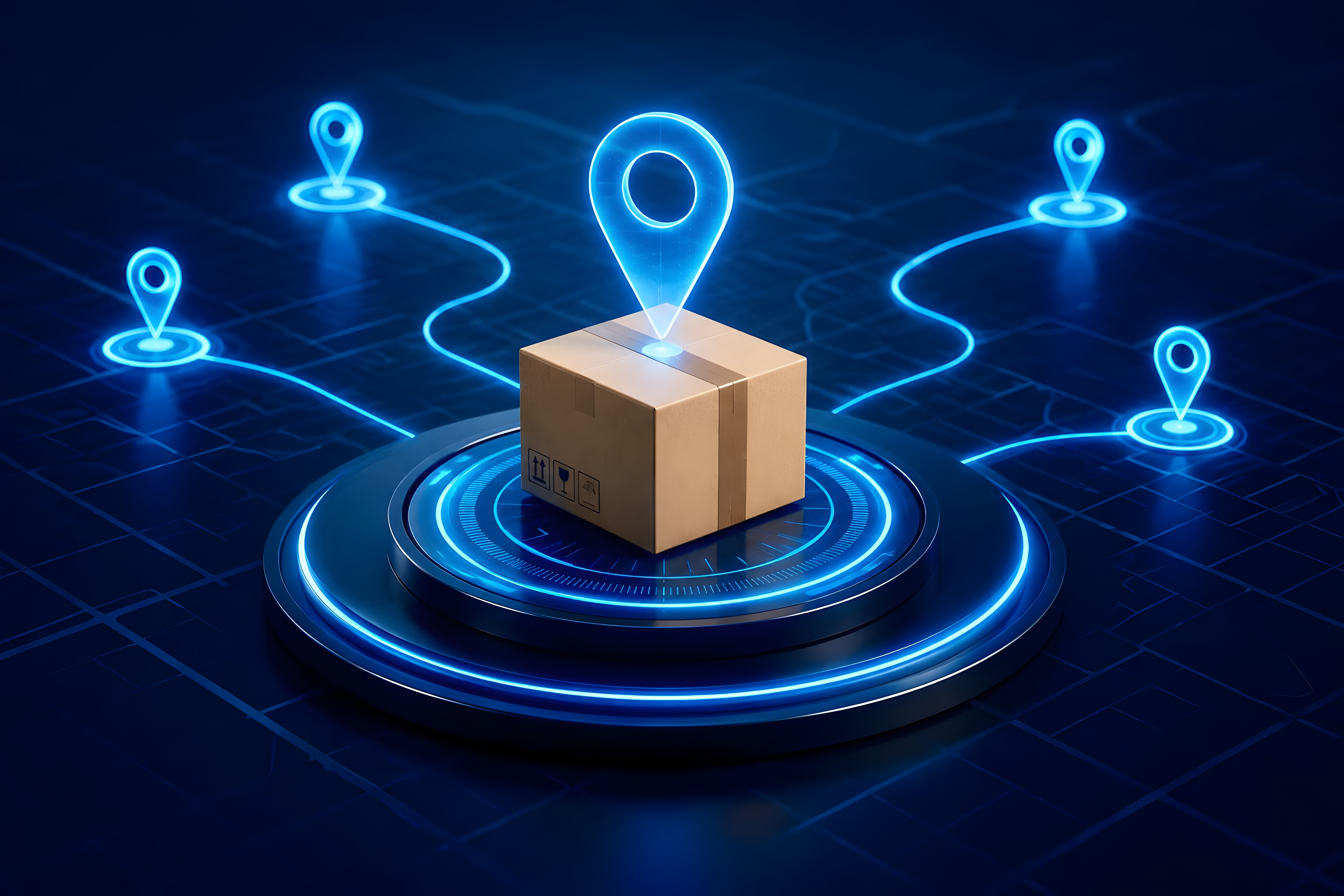
- Location Tracking: GPS-enabled sensors give the precise, real-time location data. Companies know exactly where each shipment is at any moment.
- Shock & Vibration Detection: High-value or fragile items benefit from sensors that detect and record handling incidents. They can identify problems immediately and take corrective action before damage escalates.
- Security Monitoring: Tamper-evident sensors alert companies to unauthorised access attempts, helping companies maintain the chain of custody and reduce the risk of theft or contamination.
Benefits of IoT Integration
-
Complete Transparency: The customers get live updates without calling the service desk. Self-service portals powered by IoT data reduce support costs while improving satisfaction.
- Proactive Problem Resolution: Instead of discovering issues at delivery, companies identify them in real time. A temperature excursion triggers immediate intervention. People can reroute to a climate-controlled facility or expedite delivery to minimise exposure.
- Data-Driven Decisions: Accumulated sensor data reveals patterns in the operations. Companies discover which routes cause the most handling incidents, which facilities have climate control issues, and where process improvements deliver the biggest impact.
- Reduced Losses: Early detection of problems significantly reduces cargo damage claims. The insurance costs decrease while the reputation for reliable handling increases.
AI-Driven Routing: Efficiency Through Intelligence
AI in logistics takes the company’s operational data and transforms it into optimised decisions. Instead of relying on static routing rules or manual planning, artificial intelligence continuously analyses thousands of variables to find the best path for each shipment.
How AI Optimises the Operations
-
Dynamic Route Planning: AI considers weather patterns, airport congestion, customs processing times, and connection availability to select optimal routes. What took planners hours now happens in seconds.
- Capacity Optimisation: Machine learning algorithms predict demand patterns and suggest capacity adjustments. Customers maximise load factors while avoiding overbooking, which can lead to costly delays.
- Predictive Analytics: AI identifies potential disruptions before they impact the shipments. A weather system forming over a hub airport triggers proactive rerouting suggestions hours before human planners would notice.
- Cost-Speed Balance: The system understands the priorities. Need the lowest cost? AI finds it. Need guaranteed delivery by morning? AI maps the fastest, most reliable route. Need to balance both? AI finds the sweet spot.
The Synergy of e-AWB, IoT & AI
These technologies deliver value individually, but their real power emerges when they work together. Consider this scenario: The IoT sensors detect a temperature excursion in a pharmaceutical shipment mid-flight. The system immediately alerts the company’s operations team through the e-AWB platform, which contains complete shipment details and handling requirements.
Simultaneously, the AI routing engine analyses alternative paths and identifies a connection via a hub with adequate cold storage facilities. The system automatically generates revised routing instructions and notifies all stakeholders through the e-AWB system.
This entire sequence- detection, analysis, decision, and communication- happens in minutes instead of hours. The companies prevent cargo loss, maintain regulatory compliance, and demonstrate to the customer that they have sophisticated systems protecting their valuable shipments.
Benefits & Business Impact of Air Cargo Digitisation
The integration of these technologies fundamentally transforms the competitive position.
-
Operational Efficiency: Digitisation eliminates redundant data entry, reduces manual intervention, and accelerates processes from booking to delivery. The team handles more volume with the same resources.
- Enhanced Customer Experience: Real-time tracking, proactive communication, and reliable delivery windows create the transparency modern shipper's demand. The e-commerce shipping customers especially appreciate the visibility they're accustomed to from parcel carriers.
- Competitive Advantage: When companies can guarantee faster transit times, provide superior tracking capabilities, and demonstrate lower loss rates, they win business from competitors still operating with legacy systems. Air cargo management software becomes the differentiator.
- Revenue Growth: Better capacity utilisation, reduced losses, and improved customer retention directly impact the bottom line. The investment in digitisation pays for itself through measurable financial improvements.
SmartKargo's Role in Air Cargo Digitisation
Implementing these technologies requires a partner who understands air cargo's unique challenges. SmartKargo provides a cloud-native, scalable platform specifically designed for modern air freight operations.
The SmartKargo platform enables seamless e-AWB adoption, integrates IoT device data into the company’s operational workflows, and leverages AI-driven routing to optimise every shipment. Whether they are an airline expanding the cargo capabilities or a freight forwarder seeking a competitive advantage, SmartKargo's technology adapts to the specific requirements.
The platform connects all stakeholders, such as airlines, freight forwarders, ground handlers, and customs authorities, in a unified digital ecosystem. They eliminate information silos, reduce communication friction, and create the visibility that drives better decisions at every level.
Air cargo digitalisation is about solving real business problems. The combination of e-AWB, IoT, and AI-driven routing addresses the core challenges customer’s face: reducing costs, improving visibility, accelerating processes, and delivering superior customer experiences.
The question isn't whether to digitise, but how quickly companies can implement these capabilities. The competitors are already investing, and customers are already expecting digital-first service. The tools exist, proven platforms are available, and the business case is clear. The transformation of air cargo services is happening now- and the success depends on how effectively they embrace it.
FAQs
Q. How does e-AWB improve air cargo efficiency?
A. E-AWB creates a digital foundation that eliminates paper-based bottlenecks throughout the cargo journey. By replacing manual documentation with automated workflows, airlines reduce handling time by hours, cut administrative costs by up to 30%, and minimize the errors that cause costly delays and compliance issues.
Q. Why is IoT important in air cargo logistics?
A. IoT sensors provide real-time visibility into cargo conditions and location throughout the journey. This enables proactive problem resolution, reduces losses from damage or theft, and gives customers the transparency they expect from modern logistics providers.
Q. What is AI-driven air cargo routing?
A. AI-driven routing uses machine learning algorithms to analyse thousands of variables- weather, capacity, costs, customs times- and determine the optimal path for each shipment. This results in faster deliveries, lower costs, and greater reliability than manual planning.
Q. How do e-AWB, IoT, and AI work together in air cargo?
A. These technologies create an integrated digital ecosystem. e-AWB provides the digital documentation foundation, IoT sensors supply real-time operational data, and AI analyses this information to optimise routing and handling decisions- all working seamlessly to improve outcomes.
Q. What are the main benefits of digital air freight solutions?
A. Digital solutions deliver operational efficiency through automation, enhanced customer experience via real-time tracking, reduced costs from optimised routing and fewer errors, and a competitive advantage through superior service capabilities that differentiate the companies in the market.
Q. What challenges do airlines face in adopting air cargo digitisation?
A. Common challenges include integrating with legacy systems, managing change across multiple stakeholders, meeting initial investment requirements, and ensuring data security.
Q. How does SmartKargo support air cargo digitisation?
A. SmartKargo provides an end-to-end cloud platform that enables e-AWB adoption, integrates IoT tracking capabilities, and implements AI-driven routing optimisation. The system connects all supply chain partners in a unified digital ecosystem designed specifically for air cargo operations.