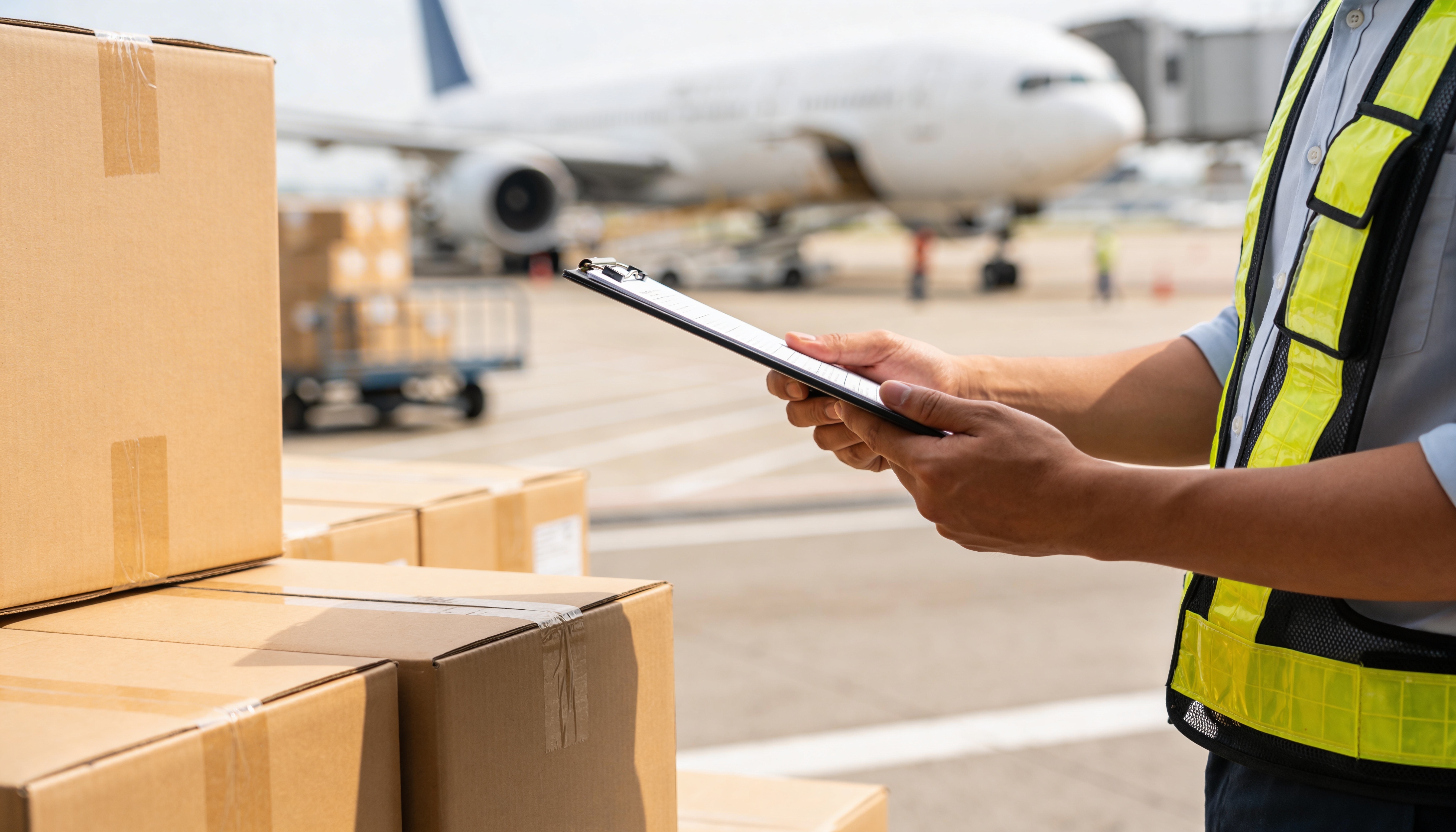
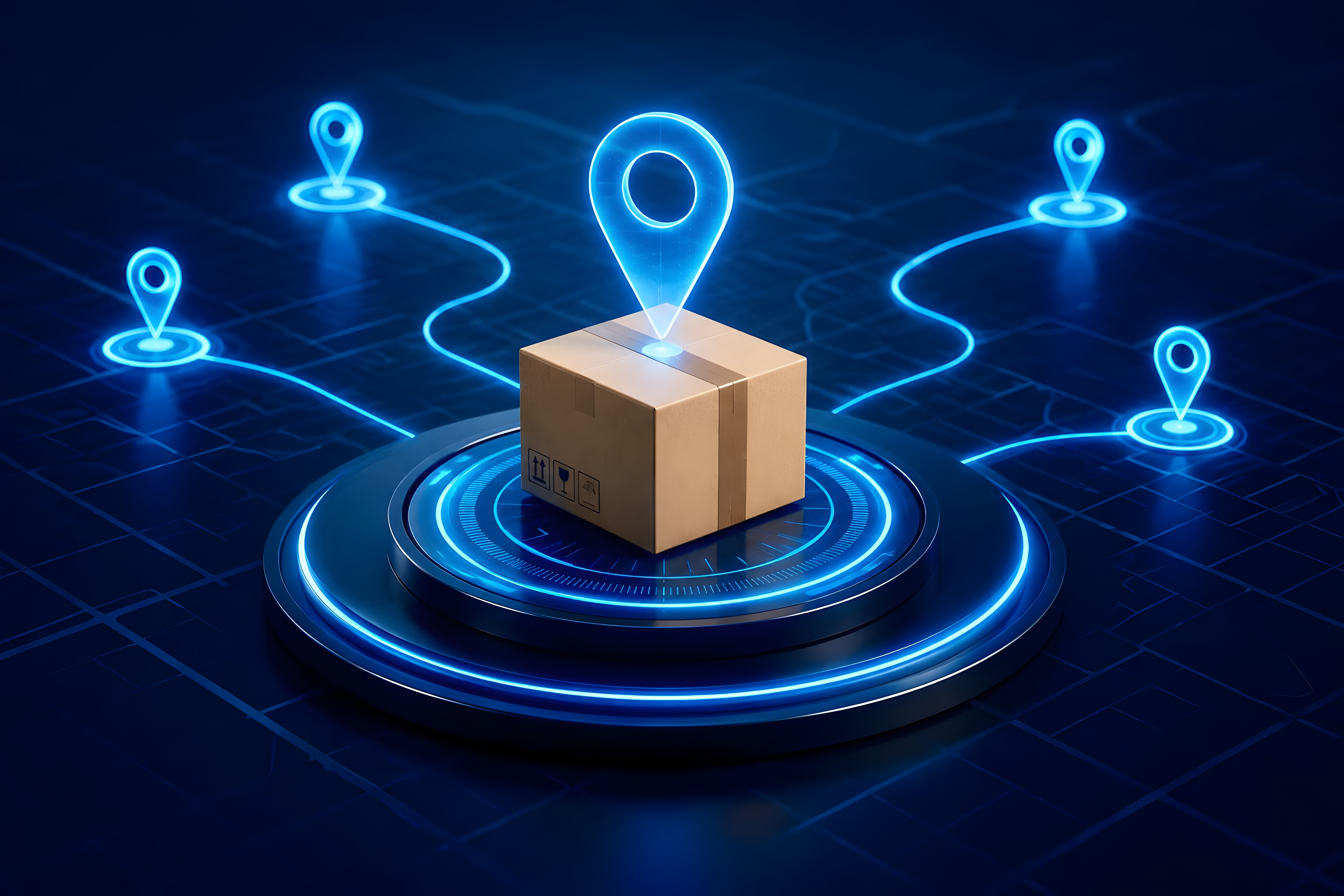
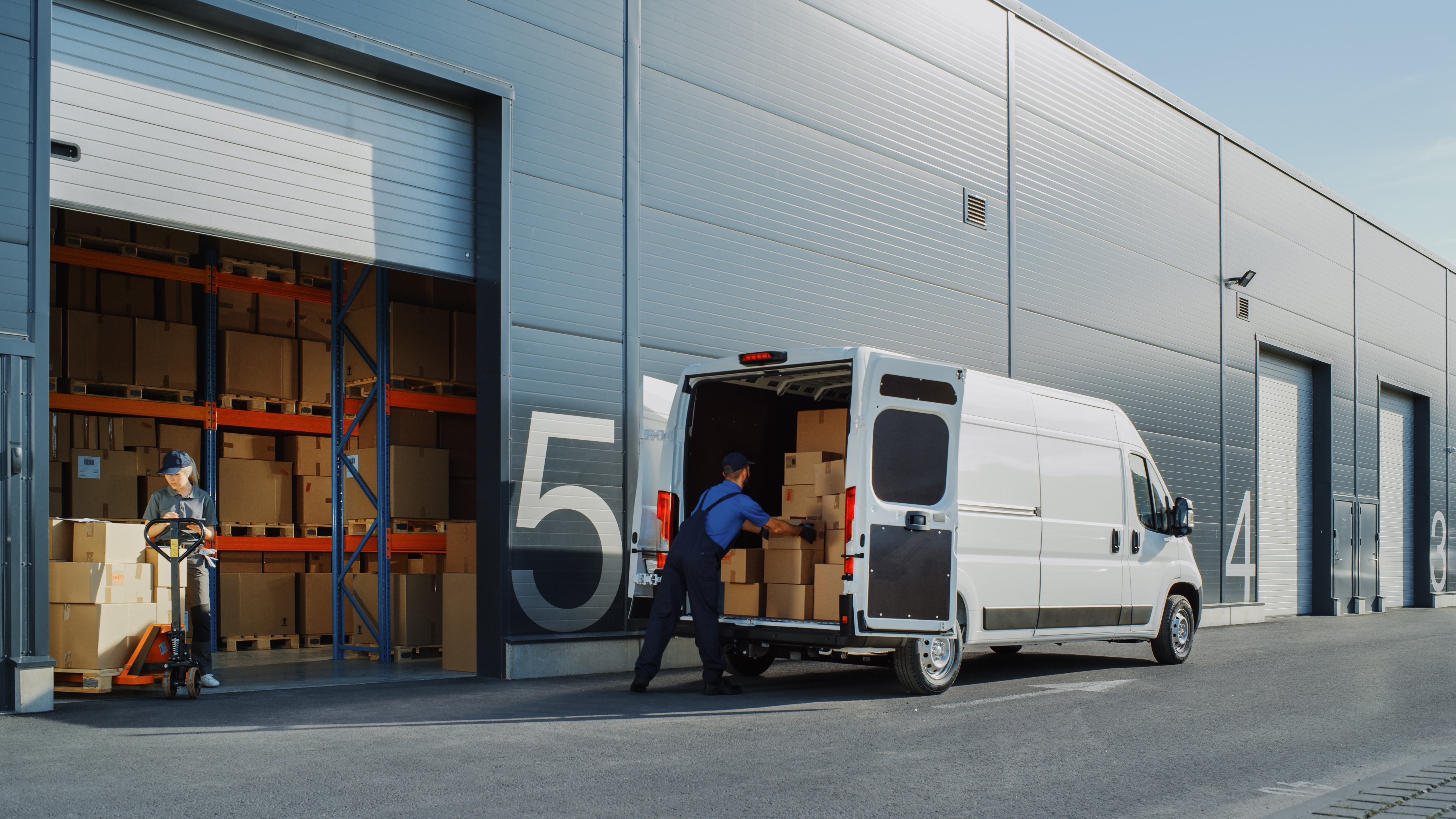
Imagine you’re preparing a high‑value e‑commerce shipment and suddenly wonder: where is it right now? In a world where air cargo tracking can make or break operational efficiency, you deserve clarity, not guesswork. Whether you are overseeing shipments, managing airline operations, or optimizing logistics for retail partners, timely, accurate visibility matters. It empowers you to make proactive decisions, mitigate delays, and unlock new e-commerce shipping solutions, especially as customers expect lightning‑fast, reliable delivery.
That’s where modern, cloud‑native platforms step in. It is powered by seamless integration and real‑time updates. They also bring clarity and control straight into your dashboard. With SmartKargo, the intricacies of cargo tracking simplify into a smooth, scalable operation, from cloud integration to smart devices in the air. You'll step into a world where tracking isn’t just a feature; it’s a strategic advantage.
What is Air Cargo Tracking?
When you deploy air cargo tracking, you're putting visibility at the heart of your logistics. It’s the system that lets you, or any stakeholder, monitor shipment status, location, and estimated delivery throughout its journey. You get early alerts, more control, and better customer reassurance. Think of it as flight tracking, but for packages.
How Air Cargo Tracking Software Works
1) Cloud‑Based ERP Integration
Your tracking platform should be 100% cloud-based for scalability and flexibility. It synchronizes data across systems in real time, giving you live visibility. Built on Microsoft Azure, it ensures industry‑grade security and uptime. That way, your operations stay connected, even as they grow.
2) API and EDI Integration
You tap directly into airline systems via APIs, while EDI allows data exchange with multiple carriers at once. This automates aggregation of shipment data, giving you unified visibility across airline partners- all from a single platform.
3) IoT and Smart Tracking Devices
Imagine Bluetooth tracking tags attached to your cargo containers that send location updates throughout the journey. At each major checkpoint, you get automated milestone notifications- no manual polling, no blind spots.
Step‑by‑Step Air Cargo Tracking Process
| Step |
Description |
| Shipment Registration and AWB Generation |
You input shipment details and generate an Air Waybill, giving each shipment its digital identity. |
| Cargo Acceptance and Processing |
Your cargo gets assessed and labelled and entered into the system, ready for its flight. |
| Transit and Flight Tracking |
From take-off to landing, you monitor real-time updates, every waypoint reflected instantly. |
| Destination Processing |
Once it lands, your cargo goes through customs or handling, with status flagged upon clearance. |
| Final Delivery and Confirmation |
You track the last mile and confirm delivery is complete; your dashboard updates closure live. |
Key Benefits of Modern Air Cargo Tracking
-
Enhanced Visibility and Control
You can pinpoint shipments anytime and act quickly. Improved Customer Experience
Real-time updates mean fewer enquiries and more reliability.Operational Efficiency
Automations reduce errors, delays, and wasted resources.Cost Reduction
You avoid over‑shipping and idle inventory, streamlining spending.Revenue Growth Opportunities
Visibility enables premium, fast services and new offerings.
SmartKargo’s Cloud‑Based Air Cargo Tracking Platform
You want a system built for modern logistics, and that’s where SmartKargo shines. As a 100% cloud‑based ERP solution on Microsoft Azure, it gives you real‑time visibility across your cargo operations. Its integration with existing airline systems is seamless and scalable, ideal as your business expands.
SmartKargo is not just theory; it’s proven. With a strong global network powering small-parcel movements, you can optimize your deliveries, streamline e-commerce flows, and unlock new revenue opportunities—all while offering full shipment visibility to every stakeholder.
Key Differentiators
-
You only pay as you use it. This minimizes CAPEX and aligns cost with demand.
- Universal compatibility means it works easily with your current systems.
- You can offer speed‑of‑flight delivery options that delight e‑commerce customers.
- Advanced analytics and reporting give you insight, so you can fine-tune operations and performance.
You’re operating in an era where transparency, reliability, and speed define success. Implementing air cargo tracking, anchored by cloud‑native systems like SmartKargo, elevates your logistics from reactive to proactive. You’ll gain better control, happier partners and clients, and stronger margins. In short, you don’t just track cargo- you track performance.
FAQs
Q. How accurate is real‑time air cargo tracking?
A. It's highly precise, with updates coming from live APIs, IoT devices, and system synchronisation for near-instant accuracy.
Q. What information can I track about my air cargo shipment?
A. You can monitor location, status, estimated times, milestones, and handling updates throughout the shipment.
Q. How do I track multiple air cargo shipments simultaneously?
A. Most platforms let you upload or input multiple AWBs, and SmartKargo allows batch tracking via its unified interface.
Q. How does SmartKargo enable real‑time air cargo tracking?
A. It combines cloud infrastructure, API/EDI integration, and smart tagging to deliver live status and visibility.
Q. How does cloud‑based tracking differ from traditional systems?
A. Cloud systems sync instantly, scale dynamically, and avoid delays inherent in manual or on‑premises workflows.
Q. How secure is cloud‑based air cargo tracking data?
A. Built on Microsoft Azure, it provides enterprise-grade security, encryption, and uptime for your data integrity.