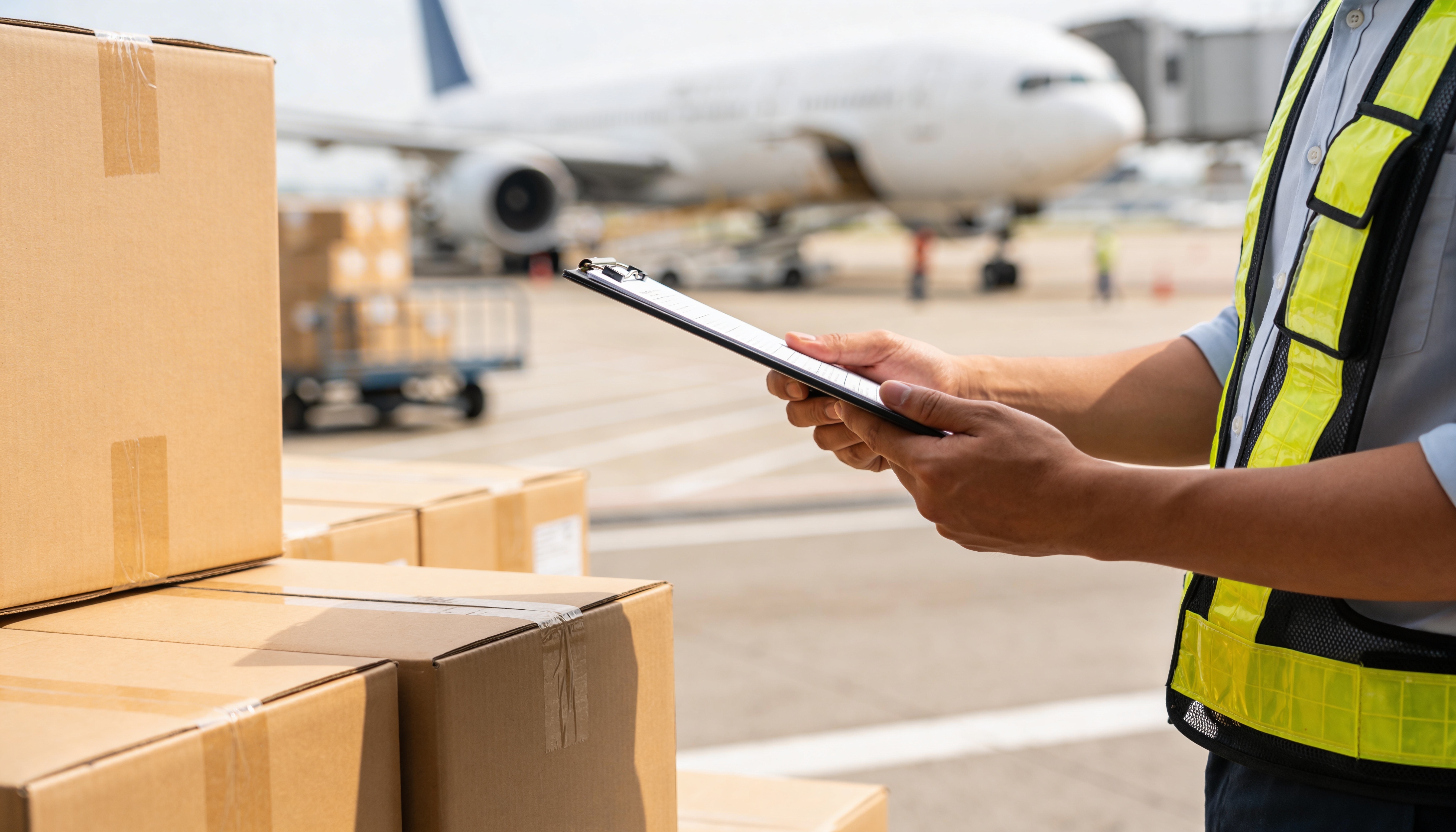
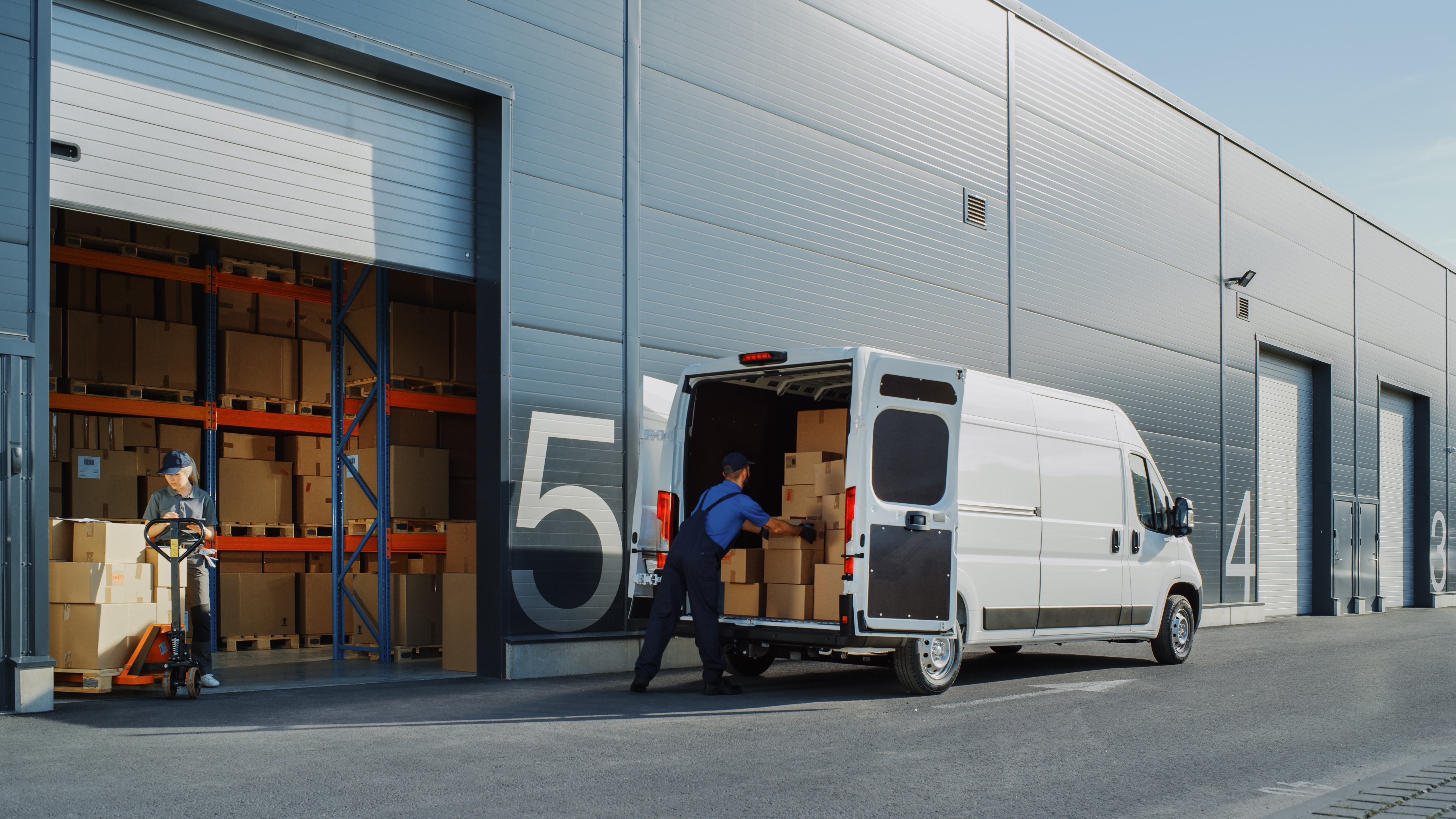
Airlines face mounting pressure to modernize cargo operations as e-commerce demand surges. E-commerce demand is rising rapidly, and customers now expect faster delivery with real-time shipment tracking. Customers expect faster delivery and clear shipment updates. Many airlines rely on fragmented systems that make real-time data sharing difficult across operations. Visibility often remains limited across large parts of the cargo journey. Thus, the airlines are experiencing difficulties in not only cost control but also capacity management and revenue increase.
End-to-end Cargo ERP addresses this challenge. It brings all cargo activities onto a single platform. From booking to delivery, every step becomes visible and connected. Airlines gain operational transparency across teams and partners. Decisions become faster and more informed.
This article explains how an end-to-end cargo ERP works. It looks at the transparency problem in airline cargo. It also explains the business value of unified cargo platforms, with a focus on how solutions like those from SmartKargo help airlines modernise their cargo operations.
Why Do Airlines Struggle with Cargo Operational Transparency?
Airline cargo operations often grow through separate systems. One tool manages bookings. Another handles warehouse operations. A third manages accounting. Over time, these systems stop communicating to each other.
Cargo also moves through many hands. Shippers, ground handlers, agents, customs teams, and delivery partners all play a role. Each touchpoint adds complexity. When systems are disconnected, visibility breaks down.
Manual processes add to the problem. Staff re-enter data at multiple stages. This increases delays and errors. Small mistakes can cause shipment delays or billing disputes. Fixing these issues takes time and effort.
Data is another challenge. Airlines generate large volumes of cargo data every day. When data is scattered, it cannot be analyzed properly. Teams cannot see trends in capacity use or pricing performance.
The impact is serious. Revenue leakage becomes common, and customer experience suffers due to poor tracking updates. Airlines also miss e-commerce opportunities that demand speed and reliability. Growth becomes difficult to sustain without transparency.
What Does End-to-End Cargo ERP Deliver for Airlines?
An end-to-end cargo ERP replaces fragmented tools with a single system covering the full cargo lifecycle. This includes first-mile acceptance, flight operations, and last-mile delivery. The platform is cloud-based. All users access the same system in real time. Airlines, handlers, agents, and partners work from shared data. This removes information gaps across the cargo chain. Integration is a core feature. The ERP connects with internal airline systems and external stakeholders.
Data flows automatically between booking, operations, and finance. There is no need for manual handoffs. Workflows are automated. Bookings, shipment handling, billing, and reporting follow predefined rules. This improves consistency and speed. The SaaS delivery model adds flexibility. Airlines do not need heavy infrastructure investment. The system scales with business growth. New routes, partners, or volumes can be added quickly.
What are the Key Benefits of Cargo ERP Transparency?
Here is how transparency is beneficial.
1. Real-Time Visibility
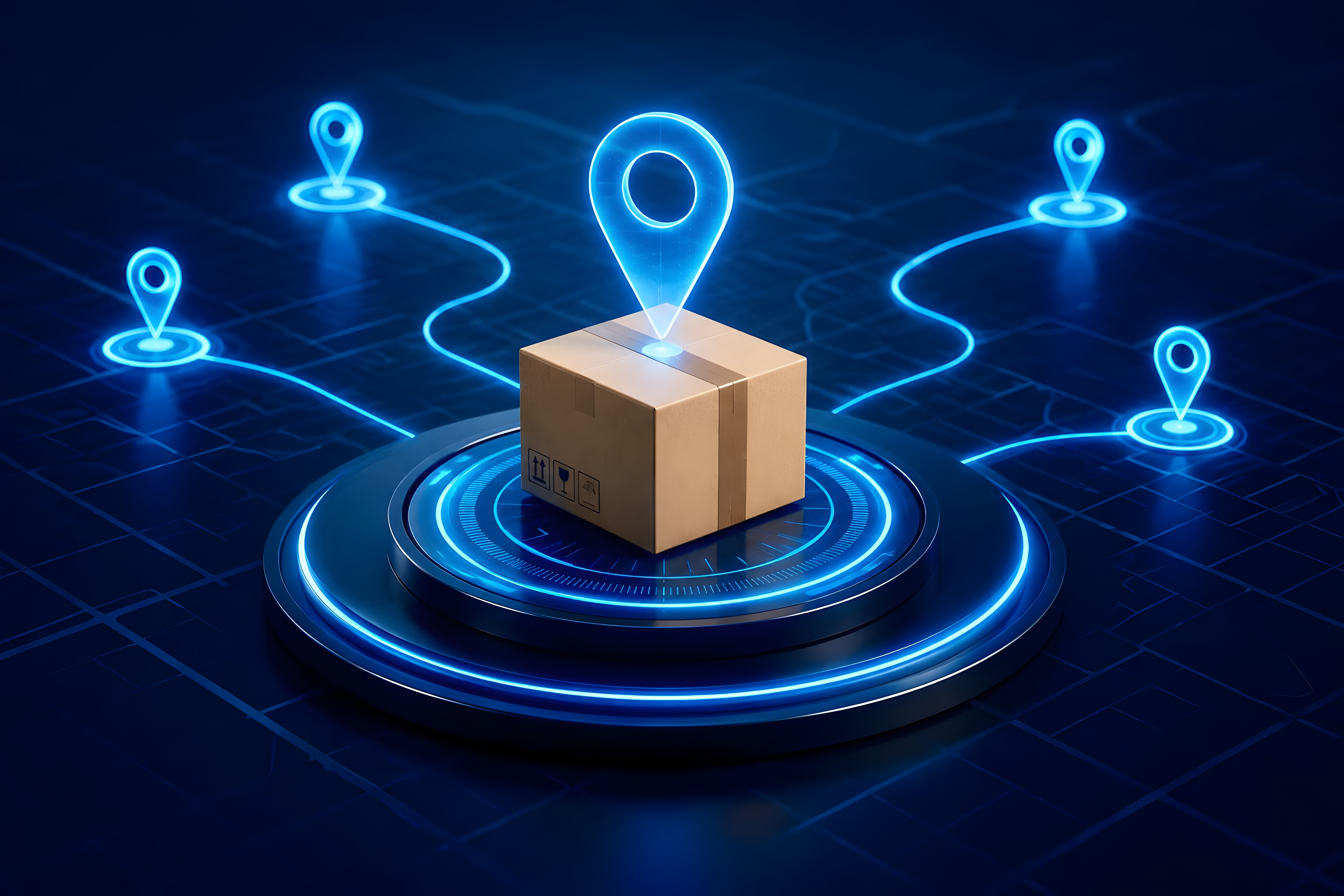
End-to-end cargo ERP provides live shipment visibility. Airlines can track cargo at every stage of the journey. Status updates are available in real time. All partners view the same information. This creates a single source of truth. Disputes reduce because the data is consistent. Customers also benefit from accurate tracking updates.
2. Unified Operations
Cargo ERP places the entire operation within a single working view. Booking, cargo acceptance, build-up, flight handling, and final delivery are connected as part of one flow. Information is captured once and then shared across the system. This removes the need for repeated data entry. Fewer manual steps mean fewer mistakes and better use of time. With all teams working from the same data, coordination improves. Operational teams can react quickly when delays occur or when capacity needs to be adjusted.
3. Intelligent Revenue Management
Transparency supports better revenue decisions. Cargo ERP enables dynamic capacity optimisation. Airlines see available space across flights in real time. Pricing and rate management updates instantly. This helps capture high-value shipments. Revenue forecasting tools use live data to predict performance. With better visibility, airlines reduce unused capacity. This improves yield and profitability.
4. Process Automation
Manual steps slow down cargo operations. End-to-end ERP automates shipment processing from booking to invoicing. Documentation and compliance of workflows follow set rules. This reduces delays at customs and handover points. Automation also improves audit readiness. Records remain complete and traceable across the cargo chain.
5. Data-Driven Insights
A unified platform transforms data into actionable insights. Real-time dashboards provide clear visibility into operational and financial performance. Teams can monitor key metrics such as load factors, revenue per pound, and on-time delivery rates. Advanced analytics enable faster, more informed decision-making. With accurate, real-time data, airlines shift from reactive responses to proactive, strategic management.
Business Impact
Operational transparency delivers measurable business value. Errors reduce as data flows automatically. Productivity improves across teams. Revenue growth becomes possible through e-commerce capture. Hundreds of million packages move globally every day. Airlines with transparent systems are better positioned to serve this demand.
Asset utilization also improves. Industry estimates show that a significant percentage of cargo space often goes unused. End-to-end visibility helps airlines fill this space more effectively. Customer experience strengthens with reliable tracking and faster resolution. This builds trust with shippers and forwarders. Finally, cloud-based deployment offers speed. Airlines can roll out new capabilities quickly. This creates a competitive advantage in a fast-moving cargo market.
Operational transparency is no longer optional for airline cargo. Fragmented systems limit growth and efficiency. End-to-end cargo ERP changes this model. By unifying data, automating workflows, and enabling real-time visibility, airlines gain control over their cargo operations. Decisions improve. Revenue opportunities expand. Customer experience strengthens. Solutions like those from SmartKargo show how a modern cargo ERP can support airline transformation. With the right platform, airlines can turn transparency into a long-term strategic advantage.
FAQs
Q. What is end-to-end Cargo ERP for airlines?
A. End-to-end Cargo ERP is a unified system that manages airline cargo operations from booking to delivery. It connects all stakeholders on one platform.
Q. How does Cargo ERP unlock operational transparency?
A. Cargo ERP provides real-time data across the cargo chain. All partners work from a single source of truth.
Q. What problems does airline Cargo ERP solve?
A. Cargo ERP reduces data silos, manual errors, and delays. It also improves visibility and coordination.
Q. How does Cargo ERP improve airline revenue?
A. By optimising capacity, enabling dynamic pricing, and supporting e-commerce demand through real-time insights.
Q. Which airlines use end-to-end Cargo ERP solutions?
A. Many global carriers use cloud-based cargo ERP platforms to modernize operations and scale efficiently.