Manual air cargo operations are costly, error-prone, and increasingly unable to scale with e-commerce demand. Even as electronic air waybill adoption has climbed to nearly 90 per cent globally, much of the cargo journey behind that single digital document still runs on manual handoffs and fragmented systems. Airlines face complex operational intricacies, with high resource requirements spread across booking, pricing, documentation, and billing platforms that rarely talk to each other. Modern freight management software only solves this when it automates the full journey end to end, not just one step in isolation. Airlines that automate cargo operations reduce costs, increase speed, and unlock revenue growth at the same time.
Where Manual Processes Are Costing Airlines the Most in Cargo Operations
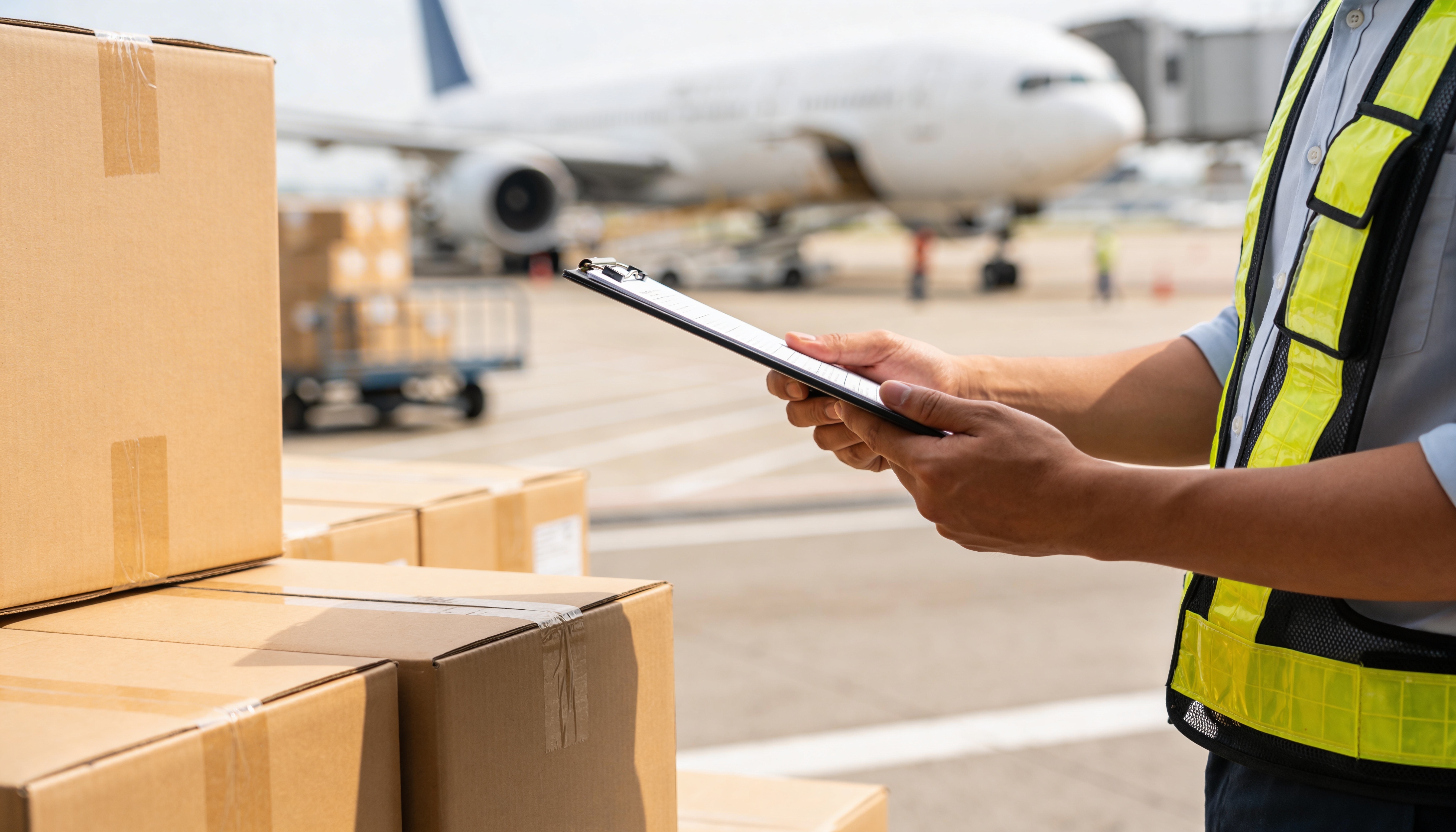
Manual work does not show up as a single line item. It is spread across every stage of air cargo operations, quietly adding cost and risk along the way.
-
Booking and pricing: manual rate queries and confirmation delays slow down sales cycles and frustrate shippers.
- Documentation: paper-based or semi-digital customs and air waybill processing remains common, despite e-AWB adoption reaching close to 90 per cent worldwide. The full picture of how air cargo digitisation through e-AWB, IoT, and AI-driven routing is reshaping this stage shows just how much efficiency is still being left on the table.
- Capacity management: manual load planning often leaves flights underutilised, missing available belly cargo revenue.
- Billing and revenue accounting: manual reconciliation creates revenue leakage that is difficult to trace after the fact.
- Tracking: reactive manual status updates fail to meet the real-time expectations of e-commerce customers.
What End-to-End Automation Looks Like in Modern Air Cargo Software
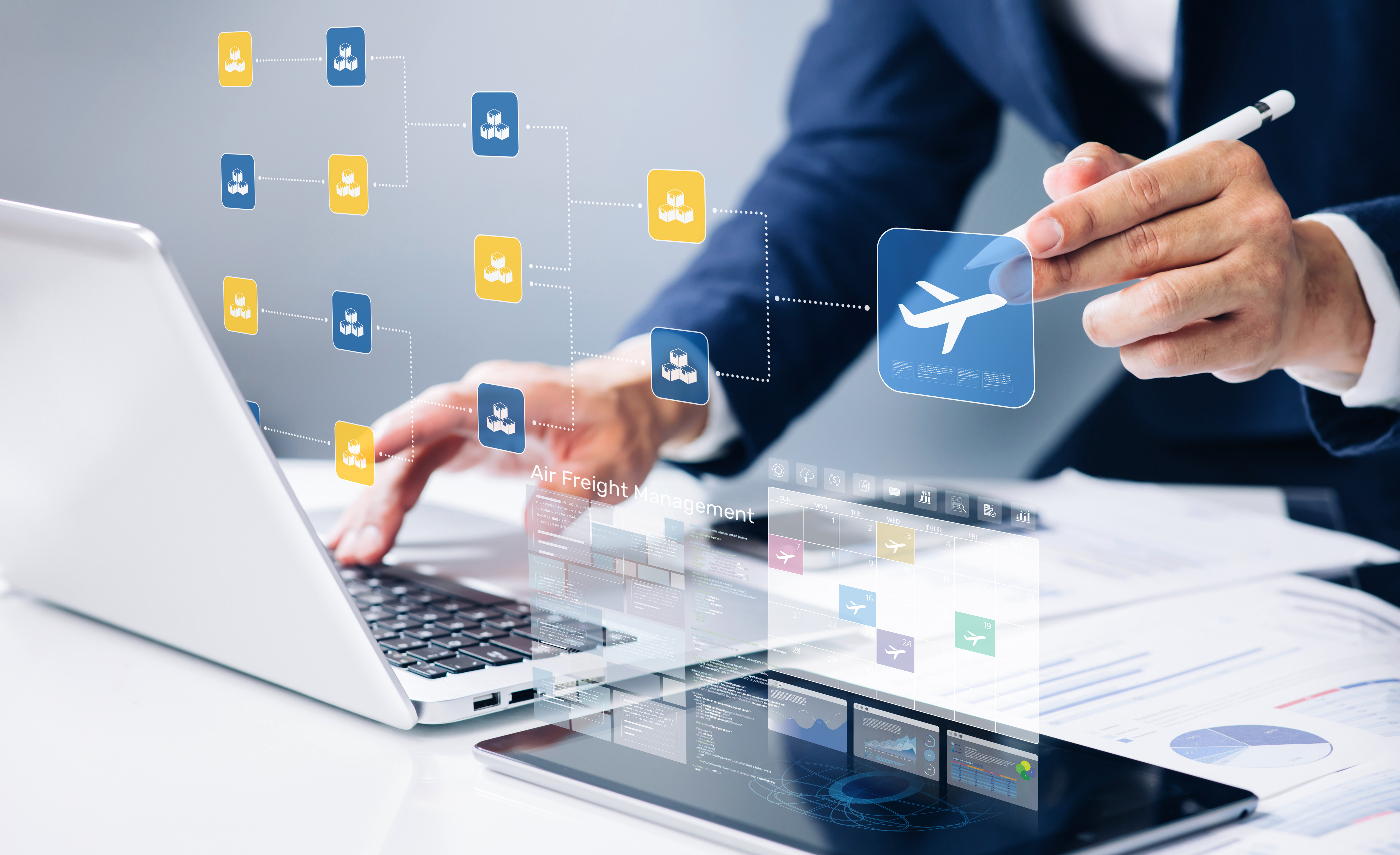
Automation only delivers value when it spans the entire cargo lifecycle, not isolated tasks bolted onto legacy systems.
-
Automated booking that flows directly from a shopping cart or API order into the airline's cargo system, with no manual re-entry.
- Real-time pricing and bid management that adjusts without manual intervention as demand and capacity shift.
- Automated capacity allocation based on live flight data, matching space to shipments as they arrive.
- Automated customs documentation generation at scale, reducing the manual paperwork that still slows many trade lanes. Brazil's move to digitise cargo release, for example, cut clearance times from five days to five hours, illustrating the scale of the gains available.
- Automated billing, invoicing, and revenue accounting, integrated with back-office finance systems.
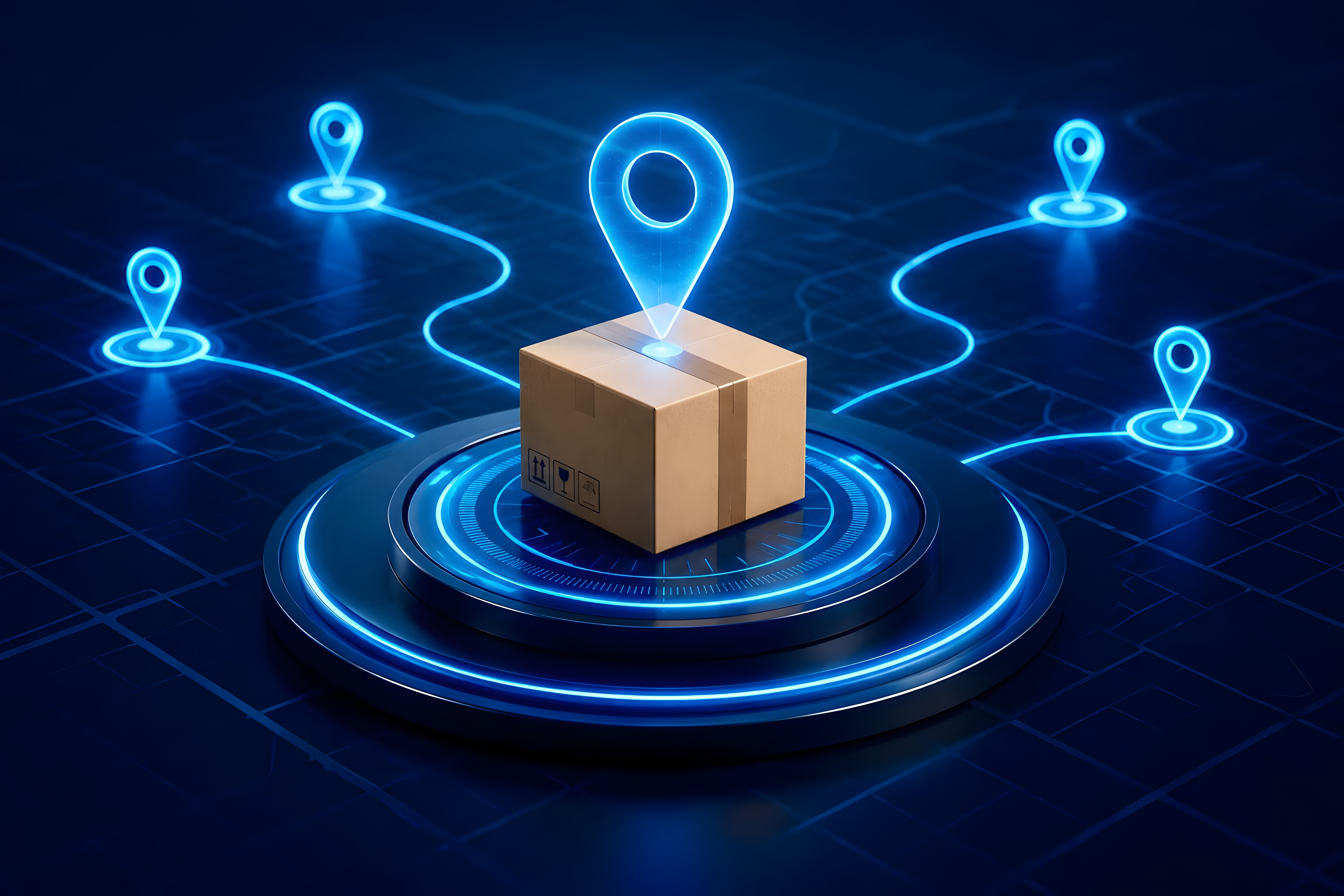
- Comprehensive real-time tracking, triggered automatically at every milestone from origin to final delivery.
This is the difference between air cargo software that digitises paperwork and freight logistics software that removes manual work altogether.
How AI Is Taking Air Cargo Automation to the Next Level
Rule-based automation handles known, repeatable processes well. AI takes over where decisions are dynamic and constantly shifting.
AIRCAM, SmartKargo's AI-powered revenue and capacity management solution, uses machine learning to forecast demand, optimise pricing, and improve load planning automatically, removing manual guesswork from critical revenue decisions. AIRNOC, SmartKargo's AI-powered network operations capability, supports smarter, real-time cargo routing and operational decision-making across the network. Together, these tools move airlines from reactive capacity planning toward predictive demand forecasting, so decisions are made ahead of disruption rather than in response to it.
The Business Impact of Automating Air Cargo Freight Management
The return on automation shows up across cost, speed, and revenue, not in a single column of the balance sheet.
-
Reduced manual resource requirements free staff for higher-value planning and customer-facing work.
- Faster processing speeds increase shipment throughput without adding headcount.
- Fewer errors in documentation, billing, and tracking reduce disputes and rework.
- Real-time business intelligence supports faster, better-informed decisions across commercial and operations teams.
- New revenue streams open up through automated e-commerce integration and better cargo load optimisation.
- Scalable operations handle peak season volume spikes without the disruption manual processes tend to struggle with.
For finance and commercial teams, the impact is just as visible in forecasting. Predictive analytics built on historical and live booking data give revenue managers a clearer read on where demand is heading, rather than relying on last month's spreadsheet. That shift, from static reporting to continuous, data-led planning, is often what separates airlines growing their cargo revenue from those simply defending it.
How SmartKargo Automates Air Cargo Operations for Airlines
SmartKargo delivers automation as a single connected platform rather than a collection of point solutions.
-
Full automation from the shopping site to the customer's door, on one platform.
- Works with any existing cargo system, with integrations available for SAP, Salesforce, and Oracle.
- A cloud-native platform built on Microsoft Azure, scaling automatically as volume grows.
- A flexible pay-per-use model that makes automation accessible without heavy upfront capital investment.
- Proven with 25+ global airlines across domestic, cross-border, and international cargo operations.
Conclusion
Automation is not a future investment for air cargo. It is a present-day competitive requirement. Airlines that automate now reduce costs and capture revenue that competitors still running manual processes miss. SmartKargo's platform delivers end-to-end automation built specifically for airline cargo operations, from booking through to last-mile delivery. Request a demo to see SmartKargo's automation capabilities in action.
FAQs
Q. How is automation transforming air cargo operations for airlines?
A. It replaces manual booking and tracking with connected, automated workflows that cut costs and speed delivery.
Q. What cargo management processes can airlines automate today?
A. Booking, pricing, capacity allocation, customs documentation, billing, and shipment tracking can all be automated.
Q. How does AI-powered automation improve air cargo revenue management?
A. AI forecasts demand and optimises pricing and load planning in real time, capturing revenue manual processes miss.
Q. What is the difference between rule-based and AI-powered cargo automation?
A. Rule-based automation handles known, repeatable tasks; AI manages dynamic decisions like pricing under changing conditions.
Q. How does automated freight management software reduce airline operational costs?
A. It cuts manual resource needs, reduces errors, and speeds processing as shipment volume grows.
Q. How does SmartKargo automate end-to-end air cargo operations?
A. SmartKargo connects booking, pricing, tracking, and billing on one cloud platform, integrated with existing airline systems.