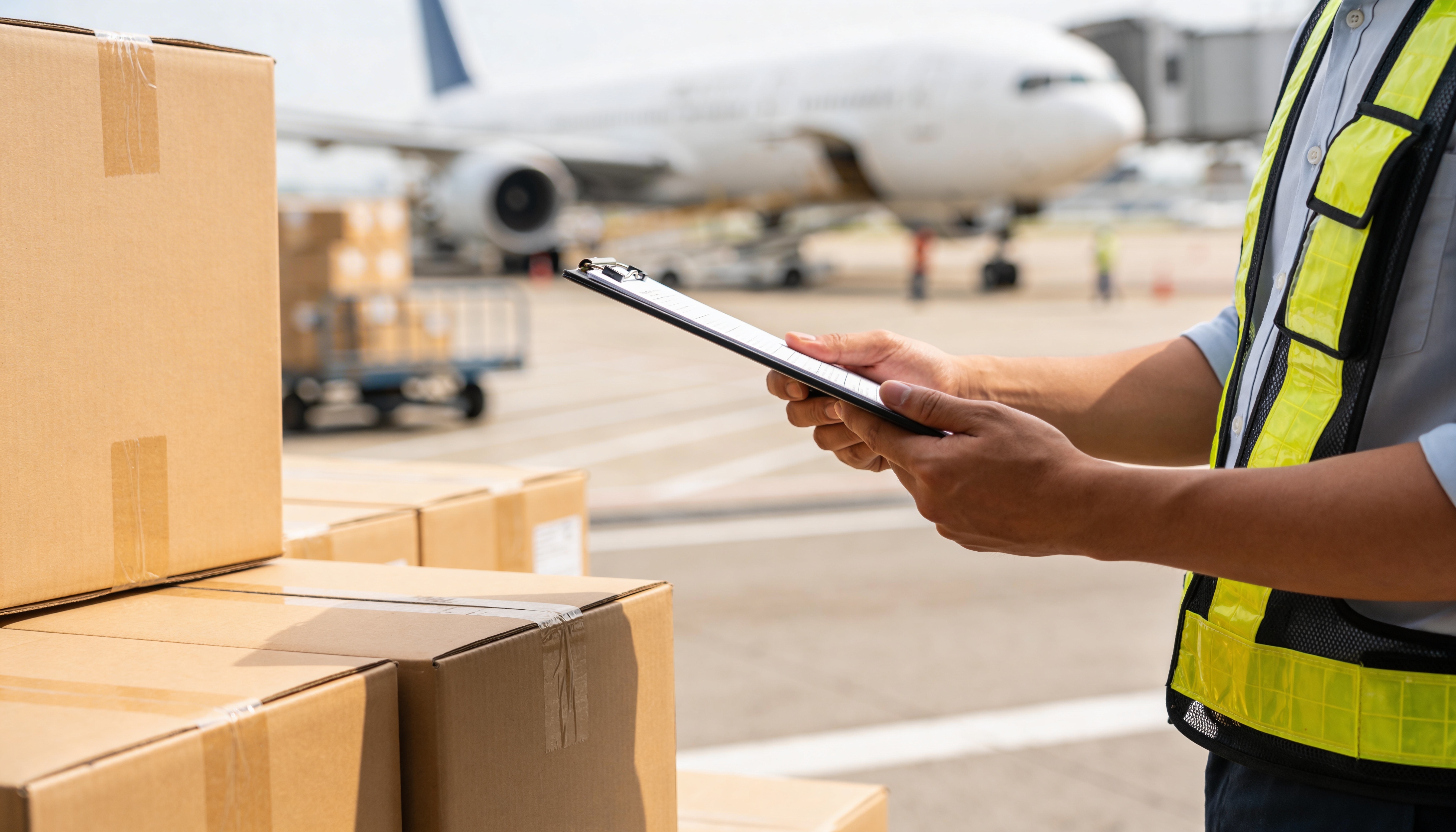
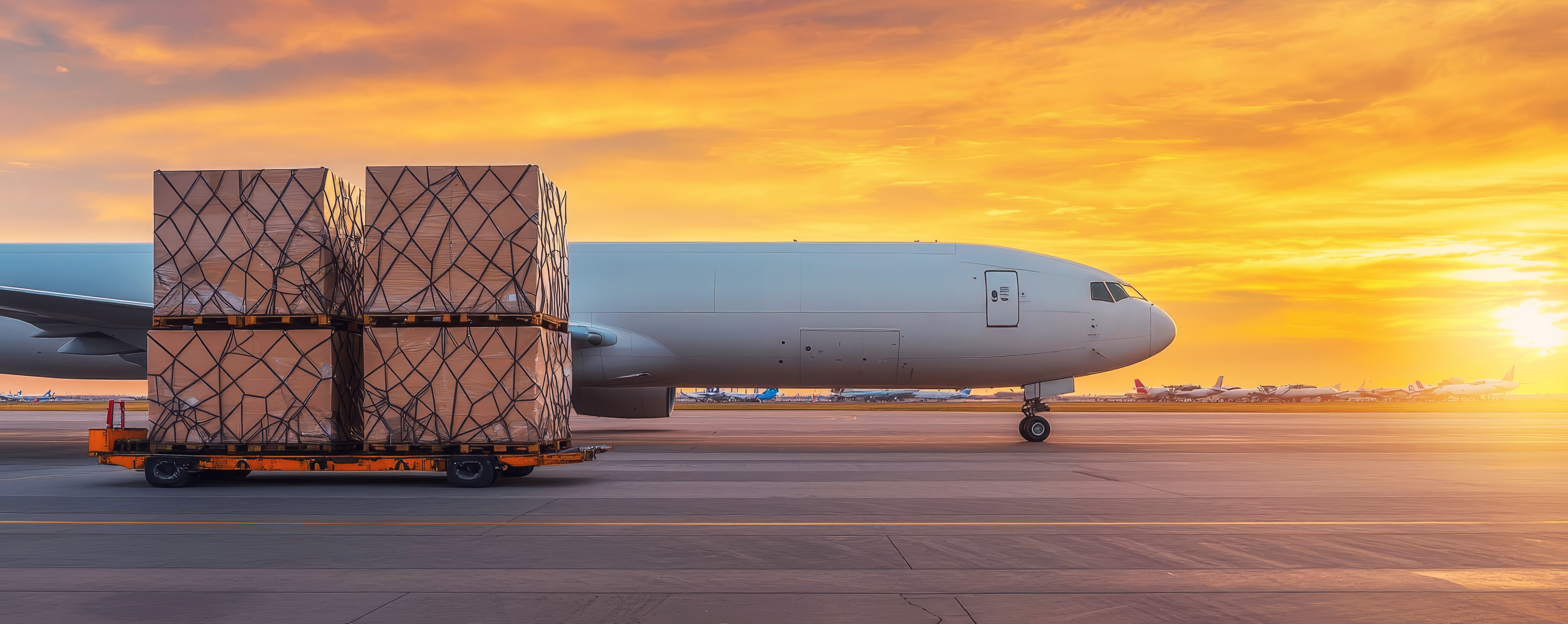
The fourth quarter has long been the highest revenue period for airline cargo, driven by holiday demand and end-of-year retail. Heading into Q4 2026, the picture is more complicated. Fuel costs have surged, the Middle East conflict has reshaped trade routes, and tariff policy remains uncertain. IATA now expects total airline profits to roughly halve this year, falling from US$45 billion in 2025 to US$23 billion in 2026. Airlines that plan early, with the right technology behind them, will be far better placed than those reacting in the fourth quarter. This outlook examines what is shaping the market and how carriers can protect their margins.
What Made Past Peak Seasons Strong, and What's Different in 2026
Q4 peak season usually runs on a familiar set of drivers. Understanding how 2026 breaks from that pattern is the starting point for sound planning.
-
Traditional drivers: Holiday e-commerce, electronics launches and seasonal retail have reliably lifted Q4 volumes.
- A solid 2025: Air cargo proved resilient last year, with full-year demand up 3.4% in cargo tonne-kilometre terms, supported by e-commerce and semiconductor shipments.
- A softer 2026 outlook: IATA forecast 2.6% growth at its World Cargo Symposium in March, then cut that to just 0.2% in tonnage terms in June after Middle East disruption. Even so, cargo revenue is expected to rise 7.2% to US$162 billion as carriers recover higher costs. For a full picture of the structural shifts driving this, the air cargo trends 2026 analysis covers the demand, digitisation, and pricing forces shaping the year.
- Shifting timing: Early peak pricing appeared in some lanes well before the fourth quarter, which complicates forecasting for international air freight cargo.
Key Factors Shaping Air Cargo Freight Rates in Q4 2026
Several pressures are pushing on cargo shipping rates at the same time, and they rarely move in isolation. Carriers setting rates for the fourth quarter need to weigh all of them together, because a change in one factor often amplifies another.
-
Elevated fuel costs: Industry fuel spend is forecast to jump nearly 40%, from US$252 billion in 2025 to US$350 billion in 2026, after disruptions to key shipping routes affected jet fuel supplies. This feeds directly into air cargo freight rates.
- Trade lane shifts: US tariff measures continue to redirect flows, with North American demand under pressure while the Asia-Pacific is expected to grow around 6%.
- Tighter belly capacity: Passenger belly capacity on key corridors is constrained, even as freighter networks adjust. Airlines can review how to maximise belly and freighter capacity revenue to make the most of available space.
- E-commerce floor: Steady e-commerce volumes provide a base of demand that supports cargo through softer periods.
With this many variables in play, cargo pricing strategies have to account for several volatility factors at once rather than reacting to any single one.
How Airlines Can Prepare Cargo Operations for Q4 2026
Preparation is the clearest differentiator this year. Carriers that move early can lock in volume and protect yield before the market tightens. Cargo yields are forecast to grow 6.5% in 2026 after three years of decline, so holding that recovery through the peak is worth the planning effort. The steps below help airlines build resilient air cargo services for the quarter ahead.
- Plan capacity earlier than the traditional Q4 cycle, given how early pricing pressure has appeared.
- Diversify revenue across domestic, cross-border and international cargo shipments to reduce exposure to any one lane.
- Use e-commerce integration to secure volume commitments ahead of the peak.
- Manage revenue against cost in real time using business intelligence dashboards.
- Automate billing and revenue accounting so systems absorb volume surges without errors or delays.
How SmartKargo Helps Airlines Maximise Revenue in Peak Season
SmartKargo gives airlines the operational control to run resilient air cargo services through demand swings while protecting margin. Its cloud-native platform already supports more than 25 carriers worldwide, which matters when cargo shipments spike late in the year.
-
Scales with volume: The platform handles increased cargo shipment volumes without disruption.
- Maintains service quality: Real-time air cargo tracking keeps visibility intact during high-demand periods.
- Automates the core: Booking, pricing and capacity management run across all sales channels.
- Adds new revenue: Small parcel e-commerce complements traditional freight, broadening the revenue base.
- Proven at scale: SmartKargo's technology supports global carriers including Delta, Azul, Emirates, IndiGo and IAG Cargo.
By bringing cargo pricing, capacity and accounting onto one system, carriers can react to rate movements quickly rather than discovering problems after the quarter closes.
Q4 2026 will reward airlines that planned early and invested in the right technology. With fuel costs elevated and cargo yields recovering, margin management has become the defining task of the season. The carriers that treat data and automation as core infrastructure, rather than optional extras, will adapt fastest when conditions shift. SmartKargo's platform positions airlines to handle peak volumes, control costs, and maximize performance when demand is at its highest.
Connect with SmartKargo about preparing your cargo operations for Q4 2026.
FAQs
Q. When is Q4 peak season for air cargo and what drives demand?
A. It runs from October to December, driven by holiday e-commerce, electronics launches and seasonal retail restocking.
Q. How are fuel costs affecting air cargo freight rates in 2026?
A. Industry fuel spend is forecast to rise nearly 40%, pushing surcharges and air cargo freight rates upward across most lanes.
Q. How should airlines prepare cargo operations for peak season 2026?
A. Plan capacity early, diversify revenue, secure e-commerce volume, and automate billing to absorb surges without disruption.
Q. What is the air cargo market outlook for Q4 2026?
A. Demand growth is modest after IATA's downward revision, with elevated rates and recovering yields shaping the quarter.
Q. How can airlines protect cargo revenue during peak season volatility?
A. By managing revenue against cost in real time and spreading exposure across domestic, cross-border and international shipments.
Q. What technology helps airlines manage cargo shipping rates during peak season?
A. Cloud platforms with automated pricing, capacity management and real-time dashboards help carriers respond to rate movements quickly.