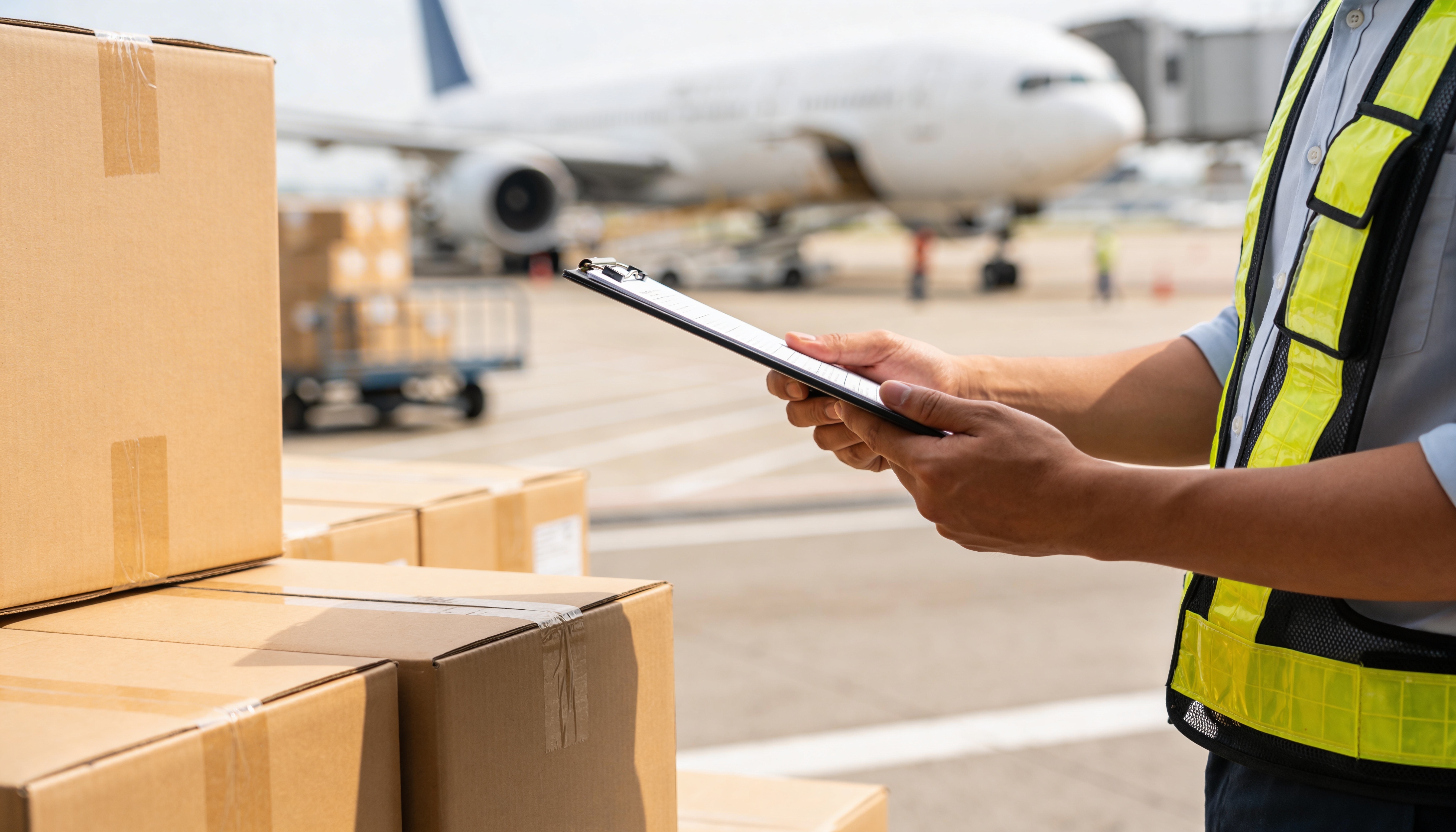
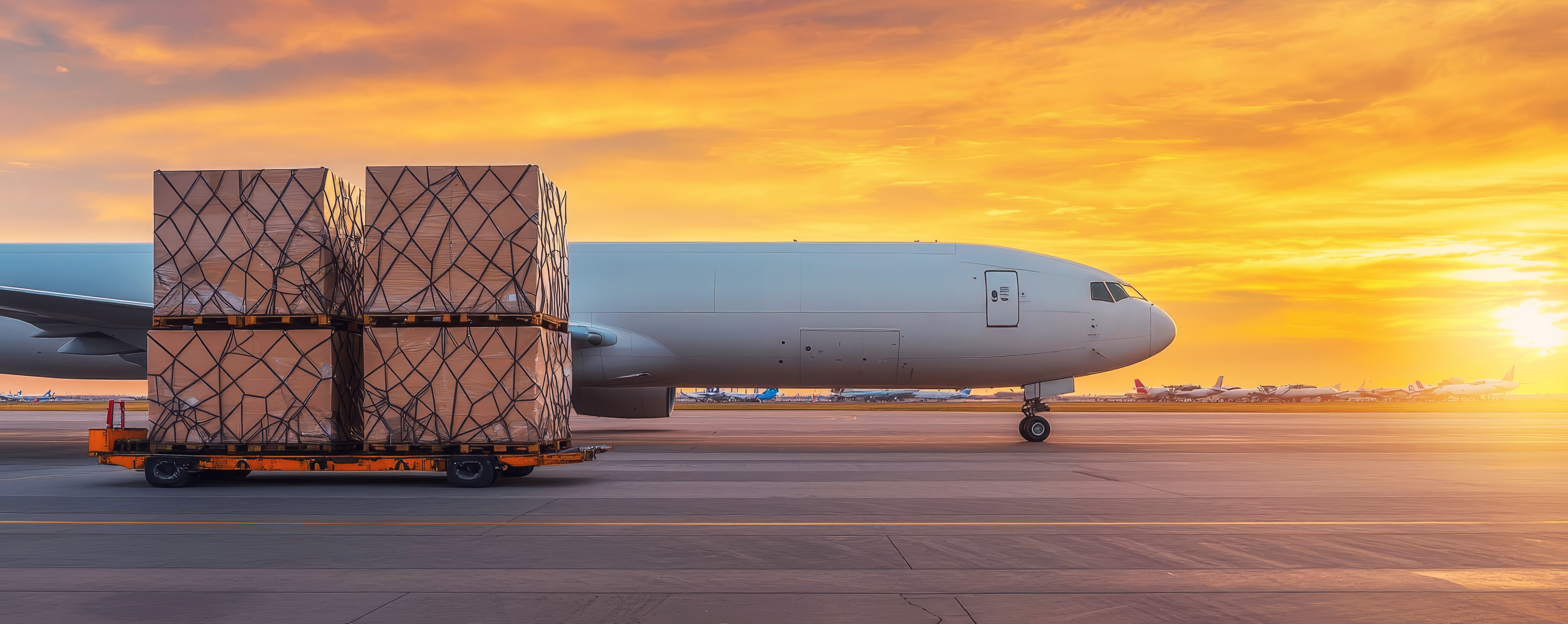
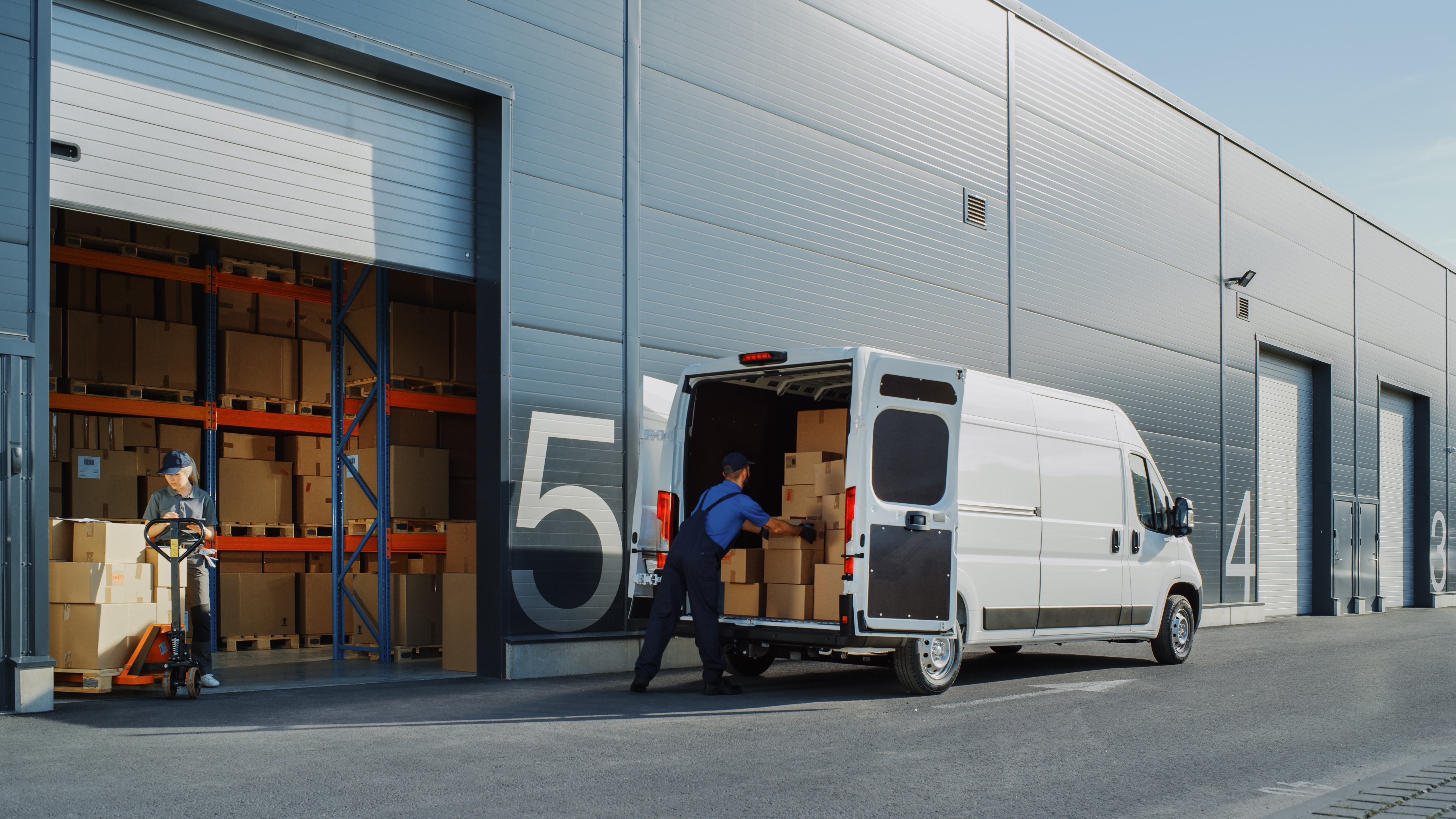
Belly cargo vs freighter is one of the most important choices airlines make when they want to grow cargo income without wasting capacity. Belly space works well on passenger flights that already run often, especially for e-commerce parcels and smaller shipments. Freighters offer more volume, greater flexibility, and better control over cargo-led lanes. The real opportunity comes when airlines stop treating these as separate options and start managing them through one cargo management system. SmartKargo positions its cloud-based platform around this idea, offering tools for cargo operations, small-parcel growth, booking, billing, tracking, and e-commerce shipping.
What is the difference between belly cargo and freighter airline cargo shipping?
Belly cargo uses the unused hold space under passenger aircraft. It is best suited to routes with regular frequency, lighter shipments, and strong parcel demand. Freighters, by contrast, are aircraft built mainly for cargo. They can carry larger volumes, handle broader cargo mixes, and offer greater flexibility for routes with strong or uneven freight demand. For airlines, the question is not which model is better in every case. It is the model that fits the route, the demand pattern, and the revenue goal.
How belly cargo works – capacity, ULD types, hold limitations
Belly cargo depends on what remains after passenger baggage, safety rules, and aircraft balance are taken into account. Capacity is measured in the hold, so every shipment must fit the aircraft’s operating limits. That makes planning important. When airlines can see capacity early, they can fill more space with the right mix of consignments, especially small parcels and time-sensitive orders. SmartKargo’s platform is built to support booking, capacity management, tracking, and billing in a single, connected environment, helping reduce manual handling and improve operational accuracy.
How dedicated freighters differ in economics and flexibility
Freighters are usually stronger on volume-heavy routes because they are designed around cargo rather than passengers. They offer more flexibility for large shipments, special handling, and dense freight flows. They also give airlines greater control over loading patterns and scheduling. That said, freighters carry higher operating costs, so they need steady cargo demand to deliver strong returns. This is why many airlines benefit from using freighters where cargo density is high and belly capacity where passenger networks create regular uplift opportunities.
Belly Cargo vs Freighter: Key Differences
| Dimension |
Belly cargo |
Freighter |
| Aircraft use |
Passenger flights |
Cargo-only flights |
| Capacity |
Limited by passenger operations |
Higher and more cargo-focused |
| Route fit |
High-frequency passenger routes |
Freight-heavy or specialist lanes |
| Flexibility |
Lower |
Higher |
| Best cargo type |
Small parcels, regular shipments |
Larger, denser, or specialised freight |
| Revenue model |
Adds value to existing flights |
Built around cargo yield |
When should airlines prioritise one model over the other?
Route density, flight frequency, and cargo mix should guide the decision. If a route has frequent passenger services and steady parcel demand, belly cargo can generate efficient revenue with minimal additional complexity. If a lane needs more volume, stronger scheduling control, or cargo-specific handling, freighters are usually a better option. The best airlines look at each route as a revenue puzzle, not a fixed category.
Key decision factors: Route density, frequency, and cargo mix
Dense routes with many daily flights often support belly cargo better because there are more chances to move freight without adding aircraft. Low-frequency or freight-heavy routes may need freighters to protect service levels and avoid leaving demand behind. Cargo mix matters too. Small parcels and e-commerce orders often suit belly space, while bulkier or more time-sensitive shipments may require a dedicated lift.
Seasonal demand spikes, and which model adapts better
Seasonal peaks can change the answer fast. Belly cargo can absorb extra parcel demand when passenger networks are already active. Freighters become more valuable when airlines need to add dedicated capacity for short periods or on specific lanes. A flexible network plan helps airlines shift between the two models without losing revenue during peak periods.
Why are airlines leaving belly cargo revenue on the table?
Many airlines still lose income because capacity is not managed with enough precision. A large share of hold space can go unused when sales, operations, and pricing sit in separate systems. Manual processes slow decision-making, create errors, and make it harder to sell space across multiple channels. SmartKargo says its platform supports multiple sales channels, including direct sales, e-commerce platforms, express couriers, and freight forwarders, while automated billing and integrated pricing reduce manual work.
50 to 60% of hold space is currently unused – the scale of the opportunity
In many networks, the unused belly cargo opportunity remains significant. When airlines fail to match demand with schedule, pricing, and sales execution, they leave room on the table. For businesses focused on margin, even small improvements in load factor can make a clear difference to revenue. That is why capacity visibility and speed of sale matter so much.
Fragmented systems and manual processes are revenue leaks.
Fragmented systems create blind spots. Teams may not see live capacity, pricing, or shipment status in a single place, making it harder to respond quickly. SmartKargo’s cloud-native approach brings together booking, capacity management, tracking, and billing, while its core SaaS cargo platform is built to streamline airline cargo services and support revenue growth.
Strategies to maximise air cargo services revenue across both models
The strongest strategy is to run belly cargo and freighters as one commercial network, not two separate businesses. That means better cargo pricing, faster booking, and clearer visibility across every lane. SmartKargo highlights real-time visibility, automation, integrated pricing, and data-driven optimisation as part of its platform, helping airlines improve planning and reduce errors.
Dynamic cargo pricing and load factor optimisation
Dynamic pricing helps airlines adjust rates as space fills up or demand changes. That gives them a better chance of selling space at the right time and protecting yield on busy routes. Combined with load factor tracking, this turns capacity into a live commercial asset rather than a static inventory item.
Ecommerce shipping solutions as a belly cargo revenue anchor
E-commerce is one of the clearest belly-cargo growth drivers because parcel volumes are frequent, predictable, and well-suited to passenger networks. SmartKargo’s domestic and cross-border e-commerce solutions are designed to bridge airlines with retailers and support faster, more reliable shipments. That makes ecommerce shipping solutions a practical way to turn unused hold space into recurring revenue.
Small parcel shipping at scale - filling hold space with e-commerce volume
Small parcel shipping works especially well when airlines can automate processing from booking to delivery. SmartKargo says its platform automates shipments, supports extra cargo utilisation, and helps airlines serve the growing e-commerce market. For carriers, that means more chances to fill residual capacity without overcomplicating the network.
Data-driven capacity planning using air cargo software
Airlines that use air cargo software to connect booking, capacity, tracking, and billing can make faster decisions and reduce waste. SmartKargo’s platform is positioned as a cloud-based ERP-style cargo solution with real-time visibility and end-to-end operational support. That kind of setup helps organisations spot demand early, price more accurately, and route shipments more efficiently.
Conclusion
Airlines that want stronger cargo returns need to look beyond a simple choice between belly cargo and freighters. The best results usually come from using both, guided by route demand, pricing discipline, and live capacity data. SmartKargo’s cloud-based platform supports that approach with real-time visibility, automated workflows, e-commerce connectivity, and a connected view of cargo operations, making it easier for airlines to capture more value from every flight.
FAQs
Q. What is the difference between belly cargo and freighter airline cargo shipping?
A. Belly cargo uses the hold space on passenger flights, while freighters are aircraft dedicated to cargo. Belly suits regular parcel flows, while freighters suit larger or more specialised freight.
Q. When should airlines choose belly cargo over dedicated freighters for ecommerce shipping solutions?
A. Belly cargo works best when passenger flights are frequent and parcel demand is steady. It is often a strong fit for e-commerce lanes with smaller shipments.
Q. Why are airlines leaving belly cargo revenue on the table?
A. They often lose revenue because capacity is fragmented across systems, manual work slows decisions, and pricing is not aligned with live demand.
Q. How can dynamic cargo pricing help airlines maximise belly hold utilisation?
A. It helps them adjust rates as space fills up and demand changes, which improves load factor and protects revenue.
Q. What air cargo software features help airlines manage both belly and freighter capacity in one system?
A. Booking, capacity management, tracking, billing, integrated pricing, and real-time visibility are the most useful features.
Q. How does SmartKargo's cargo management system help airlines optimise revenue across both belly and freighter models?
A. SmartKargo says its cloud-based platform connects cargo services, e-commerce shipping, booking, tracking, billing, and real-time visibility in one system, which helps airlines streamline operations and create new revenue streams.