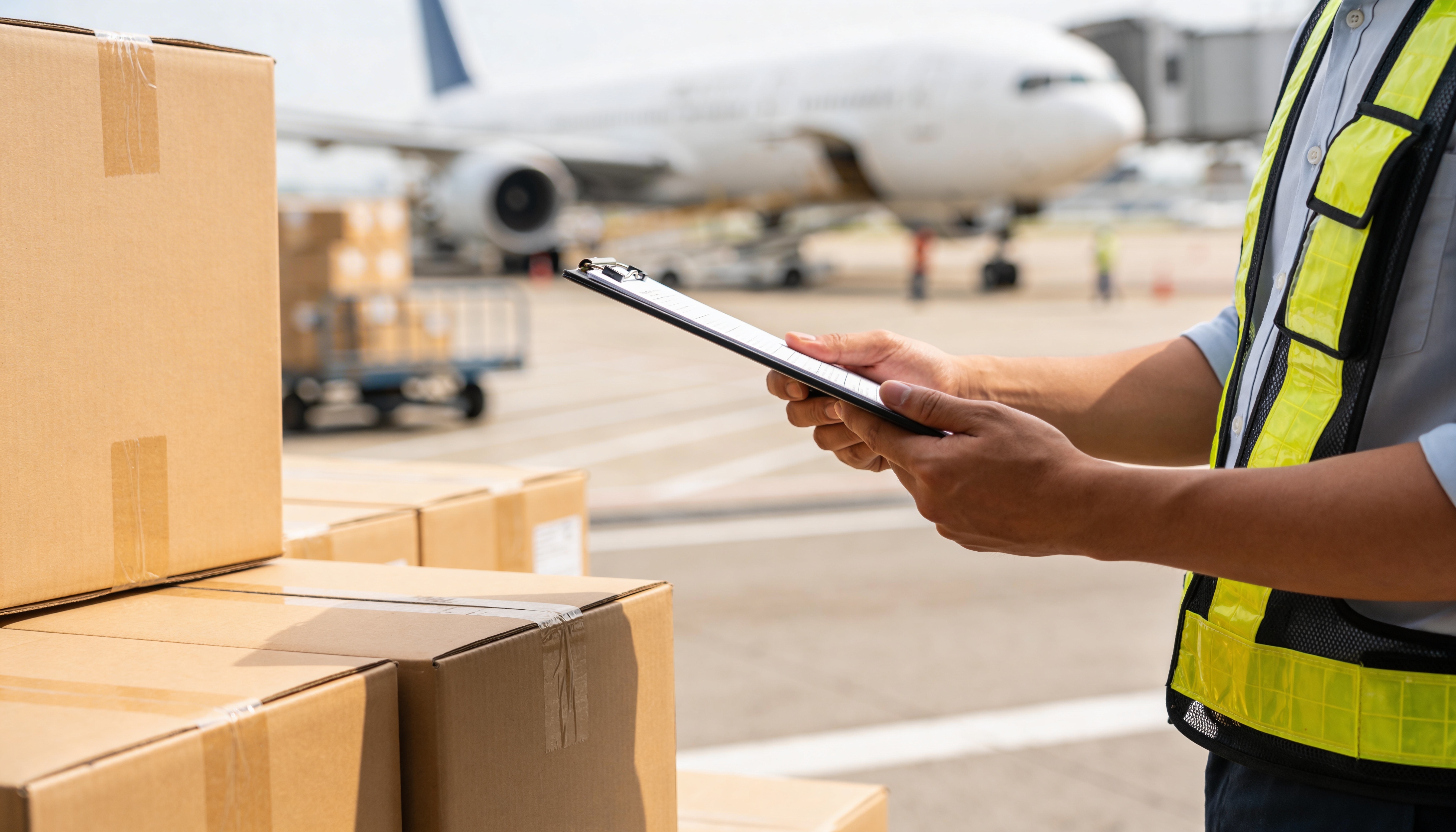
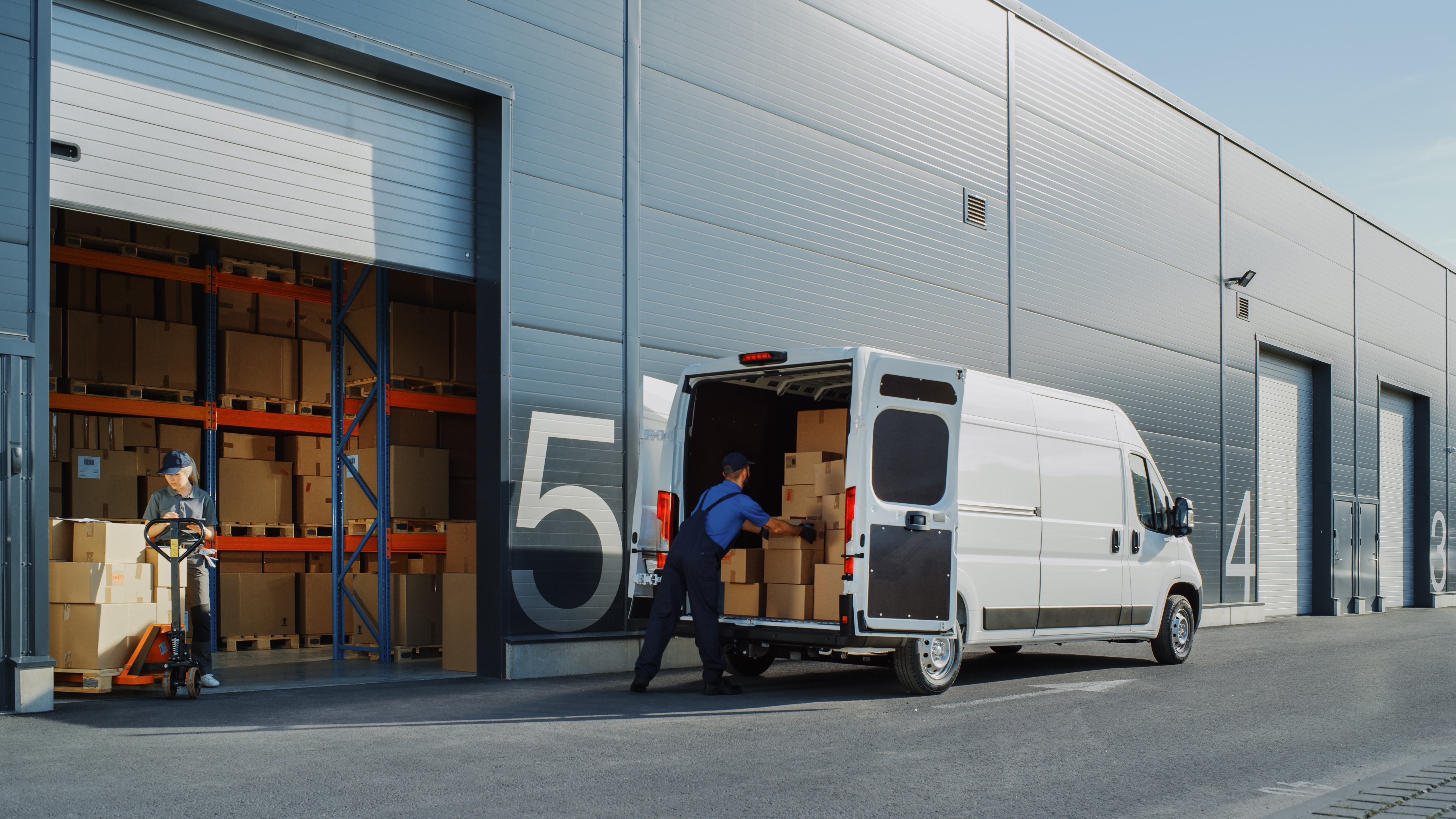
If you operate in global logistics today, you already know that air cargo operations no longer follow predictable demand cycles. Market conditions shift faster than traditional planning models can keep up with. Rising ecommerce shipping volumes, fluctuating cross-border shipments, and economic uncertainty are reshaping how airlines manage cargo performance.
You are now working in an environment where demand can spike overnight and soften just as quickly. Seasonal peaks are less reliable, sourcing locations continue to diversify, and customer expectations increasingly mirror domestic delivery standards even for international shipments. This changing landscape places enormous pressure on airline cargo shipping networks to stay agile while maintaining profitability and service reliability. Airlines must respond with smarter systems, stronger visibility, and adaptive pricing strategies that align operations with real-time demand.
Sustained performance today depends on one core shift. Airlines must move away from reactive cargo management and instead optimise technology, pricing, and operational visibility together. Digital platforms that integrate booking, tracking, forecasting, and revenue management are becoming essential to maintaining stability in volatile global trade conditions.
Understanding the Drivers Behind Demand Shifts
Demand volatility in air cargo international shipping is no longer temporary. It is structural.
The rapid expansion of global e-commerce has significantly increased cross-border small-parcel movement. Airlines are handling higher shipment volumes but smaller average consignments. This changes load planning, forecasting accuracy, and handling efficiency.
At the same time, seasonal demand patterns have become unpredictable. Traditional peak periods still exist, but promotional events, flash sales, and marketplace-driven campaigns now create unexpected surges throughout the year.
Another major factor is diversifying regional sourcing. Businesses are spreading manufacturing across multiple countries to reduce geopolitical risk. While this improves resilience for shippers, it creates complex routing requirements for airlines managing global freight management networks. You therefore face demand variability across multiple trade lanes simultaneously rather than within a single predictable corridor.
Optimising Air Cargo Operations for Greater Agility
To maintain performance, agility must become part of daily operations rather than an emergency response. Dynamic route planning enables airlines to adjust cargo flows in response to weather disruptions, airport congestion, or demand shifts. Modern digital platforms continuously analyse operational conditions and recommend optimal routing decisions in real time.
Flexible fleet utilisation also plays a critical role. Passenger aircraft belly capacity remains essential for parcel movement, while freighters support high-volume routes. Balancing both efficiently ensures that unused space does not translate into lost revenue. Improved load planning and forecasting further strengthen operational resilience. Predictive analytics help airlines anticipate demand fluctuations and allocate capacity more accurately.
Platforms such as SmartKargo enable airlines to coordinate booking, operations, pricing, and partner integrations through a unified cloud-based cargo management environment. Their system integrates cargo planning, warehouse handling, and delivery workflows into a single operational platform, improving execution throughout the entire shipment lifecycle.
When coordination improves across global networks, delays reduce, and operational costs stabilise.
The Role of Air Cargo Management Software in Performance Optimisation
Manual cargo processes cannot keep pace with modern demand volatility.
Advanced air cargo management software automates booking workflows, documentation, and shipment processing. According to SmartKargo’s official platform overview, automated documentation eliminates manual paperwork errors while accelerating customs processing and operational handling.
Integrated air freight management system environments bring booking, tracking, pricing, and billing into a single platform. This eliminates fragmented systems that often slow decision-making. Automation also reduces operational bottlenecks. Tasks such as airway bill generation, manifest creation, and compliance documentation are standardised digitally, improving accuracy while saving time.
Cloud-based freight management software also enables teams to access cargo data from any location securely, enabling faster coordination among airlines, warehouses, and logistics partners. From an operational standpoint, this means fewer delays caused by manual intervention and greater consistency across international shipments.
Real-Time Air Cargo Tracking and Data Transparency
Today’s shippers expect visibility at every stage of the transport process.
Real-time tracking has become one of the most critical performance drivers in air cargo operations. Businesses want to know exactly where shipments are and how delays may impact delivery commitments.
SmartKargo’s platform provides end-to-end shipment visibility from booking through delivery, enabling airlines and partners to monitor cargo status continuously and respond proactively to disruptions. This transparency allows you to act before problems escalate. If customs delays occur or flight connections change, operational teams can immediately adjust routing or communicate updates to customers. Real-time data also supports smarter network planning. Performance dashboards help airlines identify recurring bottlenecks and optimise future schedules using actual shipment behaviour rather than assumptions.
In volatile markets, visibility directly translates into reliability.
Cargo Pricing and Revenue Optimisation in Volatile Markets
Market instability makes traditional cargo pricing models ineffective.
Airlines increasingly adjust cargo pricing and air freight rates dynamically in response to demand fluctuations, available capacity, and operational costs. Digital revenue management tools analyse booking trends and allocate space more efficiently.
SmartKargo’s integrated cargo revenue accounting capabilities consolidate pricing, billing, and profitability analysis into a unified system, allowing airlines to track financial performance in real time.
Accurate cargo revenue accounting ensures that operational performance aligns with financial outcomes. Airlines can quickly identify underperforming routes, adjust pricing strategies, and protect margins without compromising service levels.
Dynamic pricing also enables airlines to monetise unused capacity while maintaining predictable cost structures for customers.
Sustainability and Compliance in a Changing Demand Environment
Performance today must balance efficiency with responsibility.
Airlines are increasingly exploring the adoption of sustainable aviation fuel and optimised routing strategies to reduce emissions. Digital cargo systems improve load utilisation and eliminate unnecessary movements.
Compliance efficiency has also improved through digital documentation. SmartKargo supports industry standards, including electronic Air Waybills and secure messaging integrations, ensuring regulatory compliance across international markets.
Digital workflows reduce paperwork delays while improving audit readiness across borders. For you, sustainability is no longer separate from performance. Efficient operations naturally reduce environmental impact while strengthening regulatory compliance.
Conclusion: Building Resilient Air Freight Cargo Performance for the Future
Air freight cargo performance is being reshaped by volatility in demand, e-commerce expansion, and evolving global trade dynamics. Success now depends on how quickly you adapt. Airlines that combine operational agility, real-time visibility, intelligent pricing, and integrated digital platforms are better positioned to manage uncertainty. Cloud-based cargo ecosystems enable faster decisions, improved reliability, and stronger financial control.
Solutions like SmartKargo demonstrate how unified cargo management technology helps airlines modernise operations while responding effectively to shifting demand patterns. Looking ahead, resilience will not come from scale alone. It will come from visibility, automation, and data-driven decision-making that allows your cargo network to evolve continuously alongside global trade.
FAQs
Q. What affects air freight cargo performance in today’s market?
A. Demand volatility, e-commerce growth, geopolitical changes, pricing fluctuations, customs regulations, and operational visibility challenges all influence air freight cargo efficiency and overall network reliability.
Q. How can airlines optimize air cargo operations during demand fluctuations?
A. Airlines can improve agility through predictive forecasting, flexible fleet deployment, dynamic routing, integrated cargo systems, and real-time operational visibility across global shipment networks.
Q. Why is air cargo management software important for performance?
A. It automates booking, documentation, pricing, and tracking processes while providing unified operational data, reducing delays and improving decision-making across cargo operations.
Q. How does real-time shipment tracking improve air freight performance?
A. Real-time tracking enables proactive disruption management, faster communication, improved customer confidence, and data-driven adjustments that enhance delivery reliability and operational efficiency.