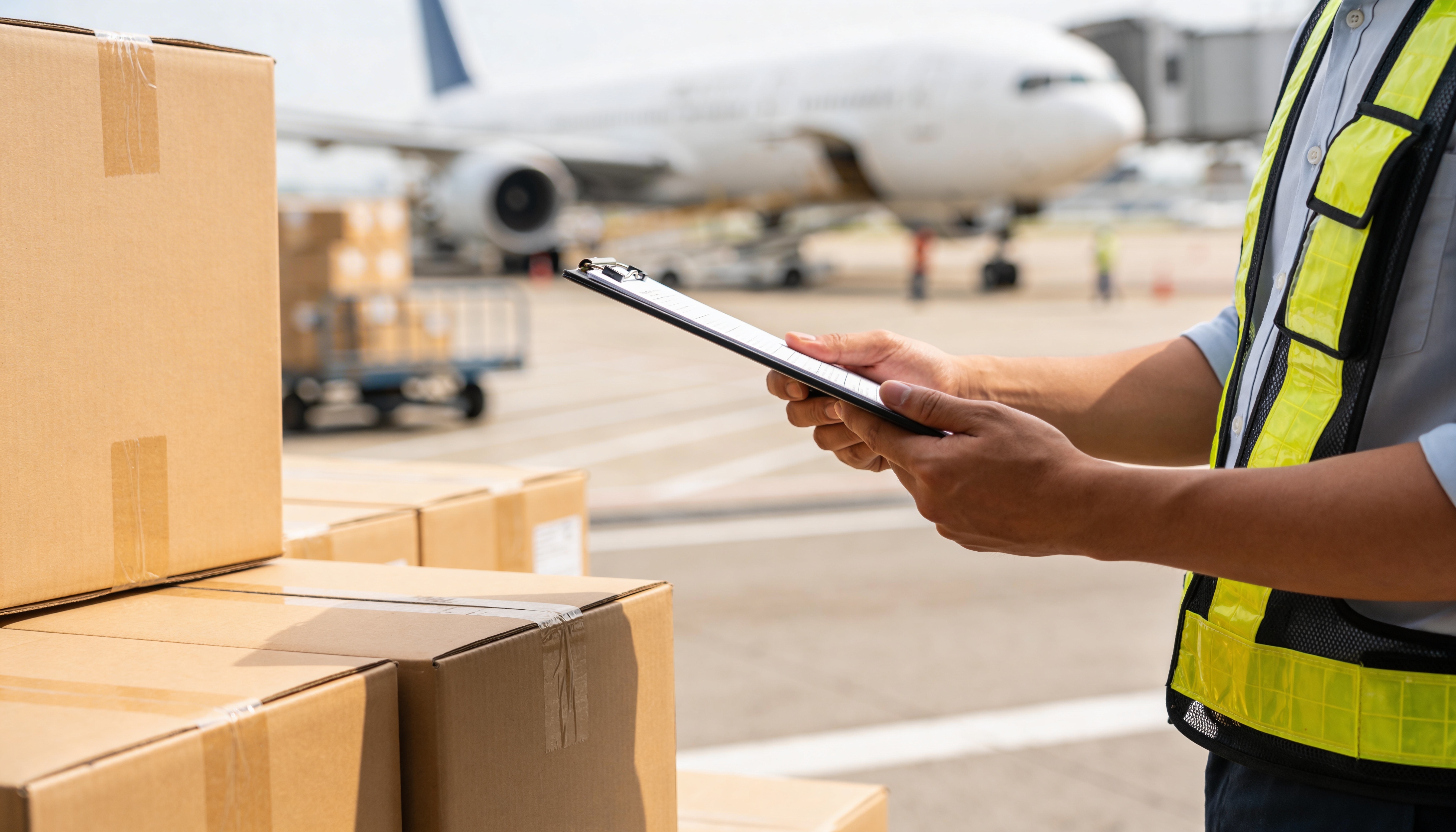
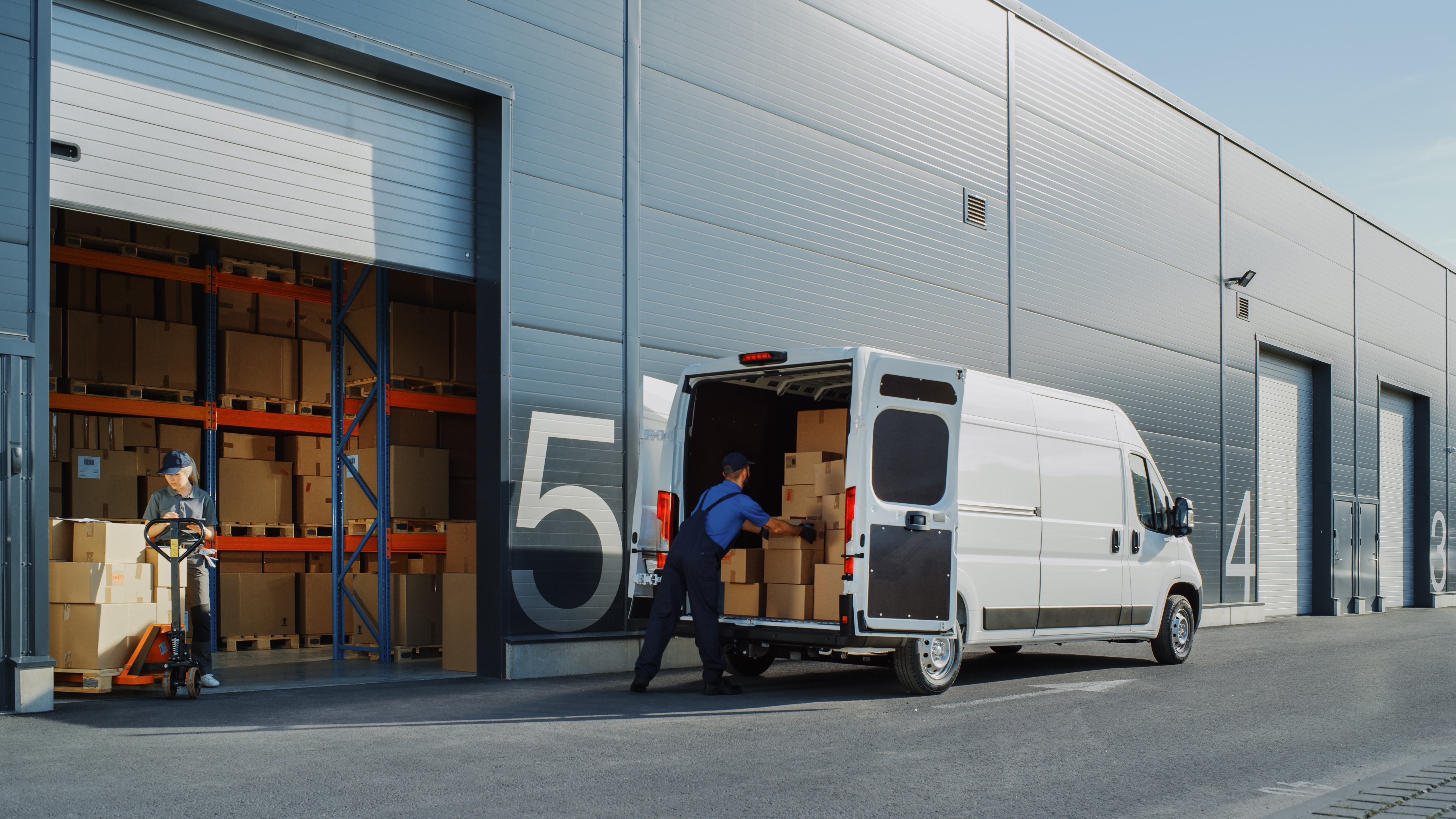
In 2026, cross-border e-commerce air cargo is no longer just about moving parcels from one country to another. It now plays a direct role in how quickly customers receive orders, how confident they feel at checkout, and how well airlines and cargo operators can compete across borders. Air cargo has become especially important because e-commerce flows rely on speed, visibility, and reliable handovers. IATA has noted that e-commerce already represented 15% of air cargo volumes in 2019, and ICAO says air cargo carries around 80% of cross-border e-commerce by value or weight in many trade flows. That makes air freight a core part of modern online retail, not a back-end detail.
Expansion from Bulk Freight to Small Parcel Shipments
For airlines that traditionally moved bulk freight, the shift in 2026 can feel dramatic. Cross-border e-commerce has shifted the industry towards small-parcel air cargo, where many light shipments travel daily rather than a few large loads. That change increases fragmentation because each parcel needs to be booked, labelled, screened, tracked, and cleared with far greater precision than in traditional freight. IATA describes e-commerce as a fast-growing, structurally distinct cargo flow that requires new processes rather than old export habits.
This is why e-commerce logistics trends now lean toward faster consolidation, lighter handling of shipments, and tighter coordination across the entire route. For airlines, this means managing higher shipment volumes, shorter decision windows, and less room for delays at the origin warehouse or the airport gate.
Rising Demand for Speed, Visibility, and Reliability
Customers now expect international delivery to feel as close to local delivery as possible. If a parcel takes too long, the sale may be lost before checkout is even completed. That is why speed has moved from a nice extra to a commercial necessity. Longer transit times can reduce conversion rates, increase cart abandonment, and erode brand trust. IATA and ICAO both stress that digital visibility and efficient cargo processes are essential to meeting these expectations.
This is also where tracking becomes critical. Real-time status updates, milestone visibility, and exception management are no longer just internal tools. They are part of the customer experience. In modern global e-commerce logistics, the ability to see where a parcel is, what is holding it up, and when it will move next can be the difference between repeat business and a complaint.
Airline Cargo Network Adaptations
Airlines are responding by redesigning how cargo networks support online trade. Instead of relying only on large, irregular loads, many networks are now being shaped around more frequent flights, better use of belly capacity, and stronger links to e-commerce-heavy lanes. ICAO has said air cargo is a key enabler of global trade access. At the same time, IATA continues to promote cargo digitisation and network efficiency as the sector adapts to new demand patterns.
For airlines, the most effective routes are no longer always the largest trade lanes. The best routes are those that support global shipping networks, with fewer delays, tighter handoffs, and consistent performance across borders. That is especially important when customers expect fast delivery, and customs clearance can change from one market to another.
Technology as the Backbone of E-commerce Cargo
Technology is now the backbone of air cargo demand and e-commerce. Digital booking, electronic documents, improved data sharing, and automated processes are helping the industry move away from paper-heavy processes that slow international flows. IATA has highlighted ONE Record and e-AWB as part of the move towards a connected digital cargo ecosystem, while ICAO also promotes electronic solutions for modern air cargo operations.
For airlines and cargo operators, the practical result is better planning and operational visibility. When systems connect booking, tracking, and customs information, the shipment becomes easier to forecast and more trustworthy. That matters even more in 2026, when buyers expect frequent updates and finance teams want tighter control over landed costs, delivery times, and service quality.
Challenges in Scaling Cross-Border E-commerce Cargo
The biggest challenge in 2026 is uncertainty. Customs rules can shift quickly, low-value import policies can change, and border checks can become stricter without much warning. Reuters reported that the end of the U.S. de minimis exemption disrupted China-U.S. air shipments in 2025, which showed how quickly policy can affect trade lanes and capacity. Reuters also reported that the European Commission has considered changes to customs procedures that could affect the handling of low-value parcels. These developments matter because they directly affect international shipping trends in 2026.
Airlines and logistics providers also face increasing cost pressure. Inflation, duties, surcharges, and changing compliance requirements can all affect landed cost. That is why the winners in this market will be the businesses that can stay flexible, keep pricing clear, and adjust quickly when regulations or capacity conditions shift.
Cross-border e-commerce will continue to drive air cargo growth in 2026, but success will depend on more than volume. To stay competitive, airlines need speed, flexibility, visibility, and a strong digital infrastructure working together. Airlines that treat air freight as a strategic part of the customer experience will be better placed to grow, adapt, and deliver with confidence. That is the real future of e-commerce air freight and broader cross-border e-commerce air cargo performance.
FAQs
Q. How is cross-border e-commerce impacting air cargo?
A. It is increasing parcel volumes, raising delivery expectations, and making visibility and reliability more important.
Q. Why are small parcel shipments increasing in air cargo?
A. Online shopping has shifted demand away from bulk freight and towards frequent, lightweight international parcels.
Q. What challenges does e-commerce create for airlines?
A. Airlines face customs complexity, tighter timelines, capacity pressure, and more tracking demands.
Q. How can airlines support e-commerce cargo efficiently?
A. By using digital booking, electronic documents, better route planning, and stronger end-to-end visibility.
Q. Which regions are driving cross-border e-commerce growth?
A. Major trade lanes continue to shift, but Asia-North America and other high-volume corridors remain highly important.