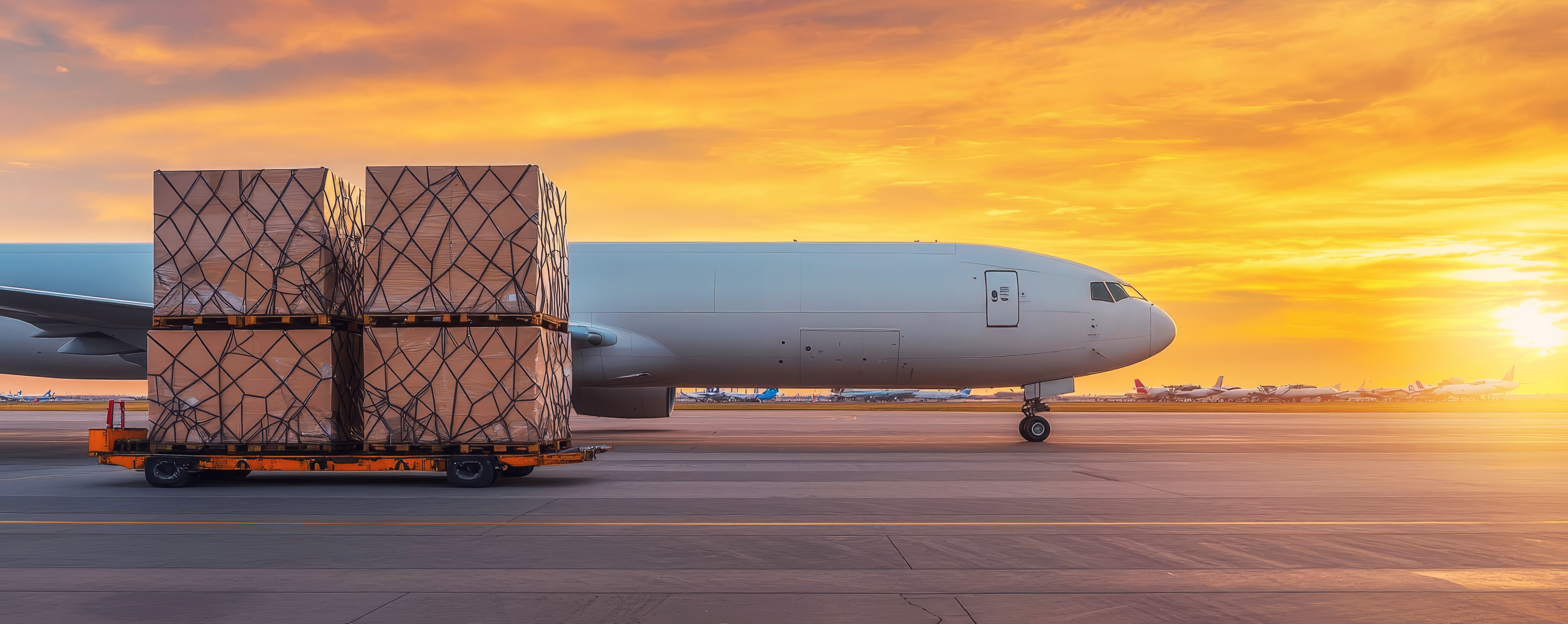
Airlines are sitting on a massive e-commerce opportunity. Right now, roughly 15,000 flights are in the air with 50-60% of their cargo space free, while 436 million small packages were shipped every day last year. That is the gap: with the right cloud platform, airlines can move e-commerce shipments at the speed of flight, capture new revenue, and compete with established ground handlers. SmartKargo pairs cloud-based SaaS technology with airline-specific workflows so carriers can unlock untapped small-parcel revenue through unified, transparent operations.
What Are the Main Challenges in Traditional Air Cargo?
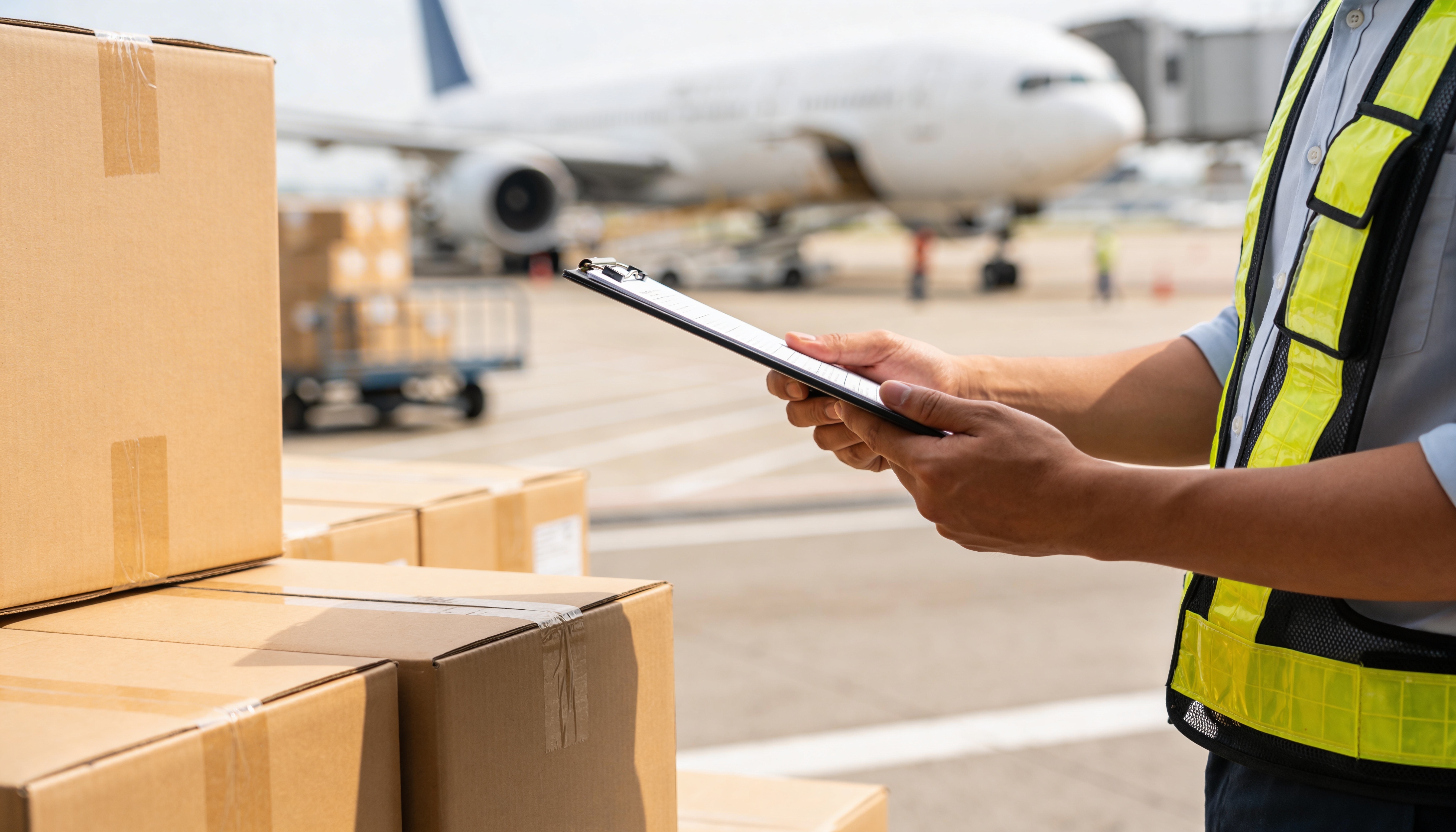
Traditional airline cargo operations are slow to grow. Manual data entry and paper-based workflows create delays and errors across the supply chain. Shippers deal with fragmented visibility, which drives up support overhead and erodes confidence. Disconnected tracking systems, unclear handoffs between airports, and poor exception visibility reduce reliability and weaken competitive positioning. Together, these barriers stop airlines from scaling effectively into e-commerce.
How Is AI Transforming Air Cargo Operations?
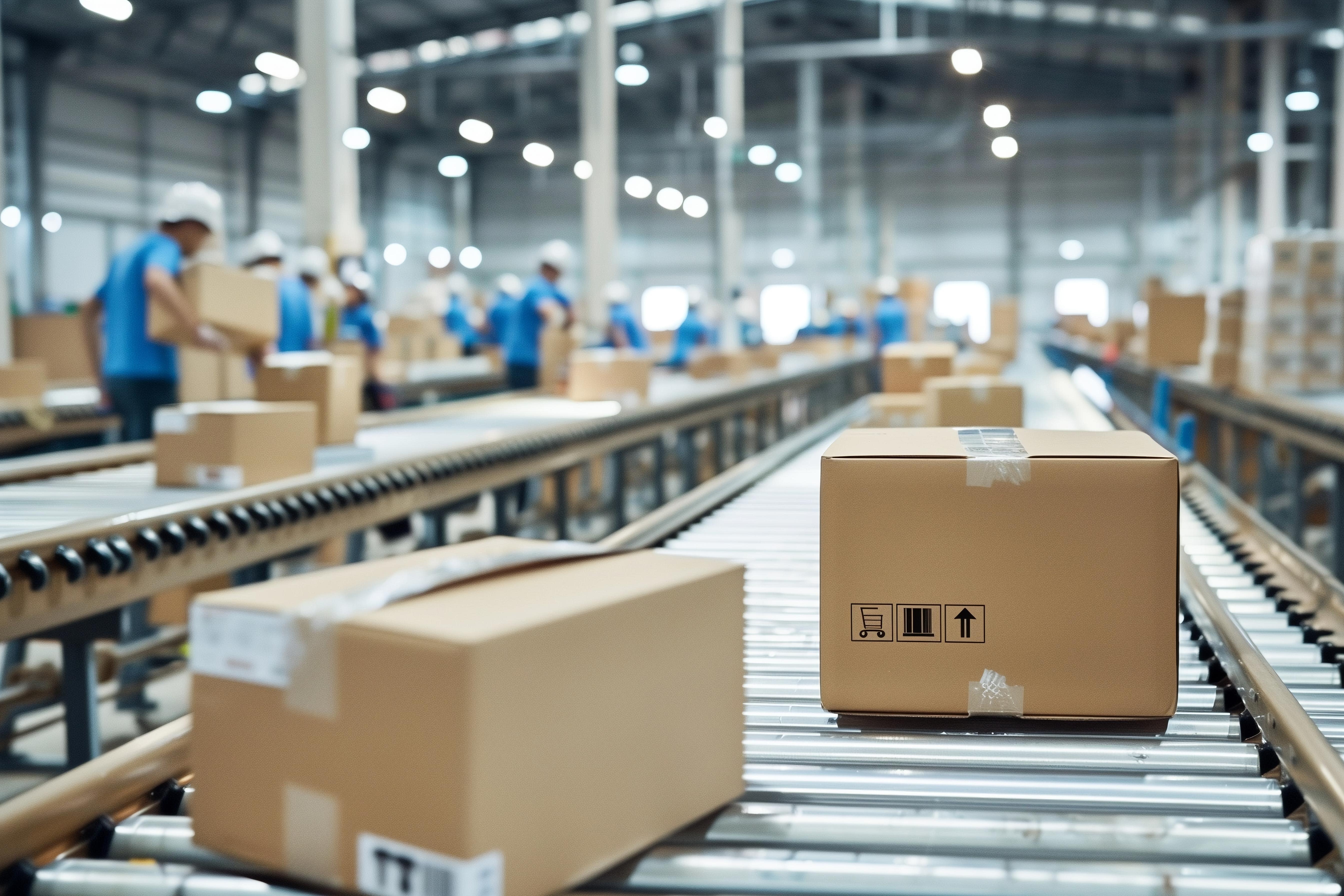
Across the industry, AI and automation are reshaping how cargo moves. Automation handles routine cargo tasks, reducing manual handling and human error, while smarter routing uses real-time flight data and demand signals to pick the fastest connections and adjust when schedules change. Data-driven planning helps carriers anticipate e-commerce demand, prevent bottlenecks, and align aircraft utilisation with peak seasons.
SmartKargo brings this together in practice. Built on Microsoft Azure, its cloud platform integrates with existing airline systems to create unified cargo visibility from origin airport to final-mile delivery, replacing fragmented workflows with one connected operation and enabling smarter decisions from real-time data.
How Does AI Improve the Air Cargo Customer Experience?
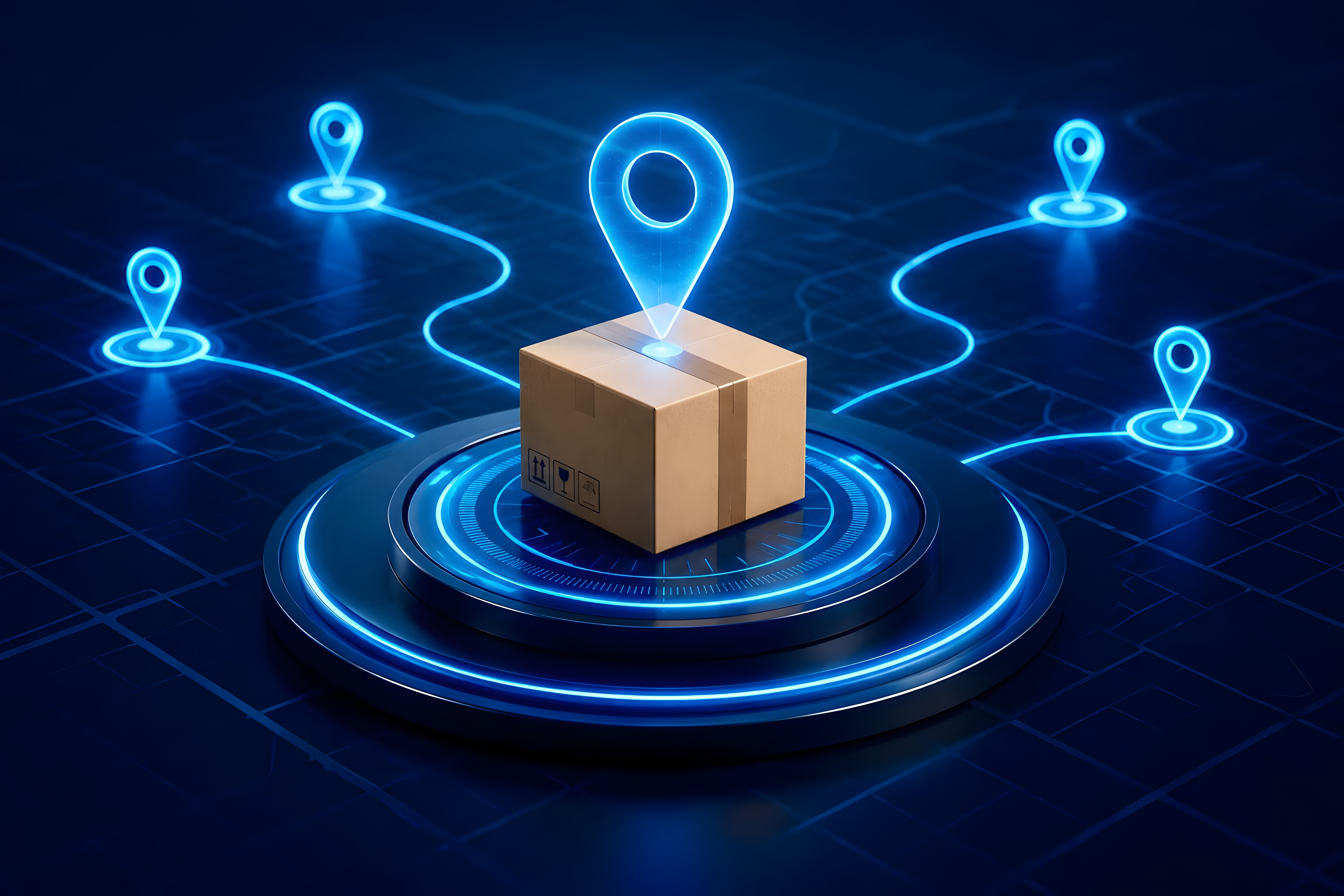
Real-time tracking and proactive notifications keep shippers and buyers informed across the journey. Transparent pricing, with no hidden accessorial charges, builds shipper confidence. Faster, more reliable deliveries reduce complaints and encourage repeat bookings, and real-time visibility with proactive alerts helps flag issues early during transport and handoffs. These capabilities let airlines offer a premium, transparent service that earns shipper loyalty.
What Is the Future of AI in Air Cargo?
Looking ahead, the sector is moving toward smarter capacity allocation that matches aircraft space to shipment demand in real time and minimises empty belly space. Industry watchers expect predictive exception management to flag delays before they cascade, alongside greater warehouse automation and network-wide demand forecasting to lift load factors. The broader shift is from reactive problem-solving to data-driven operations that maximise yield and customer satisfaction, and cloud platforms like SmartKargo position airlines to take part as these capabilities mature.
Key Benefits of AI-Powered Air Cargo and Delivery
-
Move e-commerce at flight speed while capturing untapped revenue from available belly capacity.
- Transparent pricing wins shipper confidence.
- Real-time visibility improves loyalty and repeat business.
- Real-time tracking and alerts reduce damage and service failures.
- Unified operations cut manual overhead and cycle time across every stage.
How SmartKargo Powers AI-Driven Air Cargo and E-Commerce
SmartKargo is a technology partner helping airlines enter and scale in the e-commerce small-parcel market. Founded at MIT in 2006, its cloud-based SaaS platform supports more than 25 airlines worldwide. The platform leverages automation and API-driven integrations to optimize routing, provide real-time shipment visibility, manage shipping documentation, and deliver reliable, scalable operations with minimal manual intervention.
SmartKargo offers three core solutions:
-
AI-Enabled Cargo Management System: Optimize your cargo operations with an AI-enabled Cargo Management System. Intelligent. Automated. Future-ready. Built for modern air cargo operations.
- Domestic E-Commerce: Connects airlines with domestic e-commerce retailers and automates shipments to create new revenue streams quickly, using a flexible cloud-based solution.
- Cross-Border E-Commerce: Manages international online orders end to end, handling taxes, payments, and delivery on a single platform.
SmartKargo reduces paperwork, improves ETA accuracy, and provides unified views that optimise network routing and cargo margins. It is a purpose-built solution for carriers that want to unlock e-commerce revenue without added operational complexity.
FAQs
Q. How are AI and automation transforming air cargo?
A. They automate repetitive tasks, improve route planning and capacity use, support demand-led planning, and power real-time tracking, so airlines move cargo faster and more reliably.
Q. What makes SmartKargo different?
A. SmartKargo is purpose-built for airlines scaling e-commerce. Built on Microsoft Azure and powering 25+ global airlines, it combines unified cloud SaaS operations, automation, real-time visibility, and transparent pricing to capture new revenue without complexity.
Q. Why is technology critical for air cargo?
A. Automation and real-time data improve dispatch and routing, support better capacity decisions, and reduce exceptions, all essential for airlines competing in fast-growing e-commerce.
Q. How does SmartKargo support reliable delivery?
A. Real-time tracking, unified visibility, and proactive alerts keep shippers informed and help flag issues across the air journey and handoffs.
Q. What is ahead for air cargo technology?
A. Expect smarter capacity allocation, predictive exception management, greater warehouse automation, and network-wide forecasting to lift load factors and e-commerce revenue.