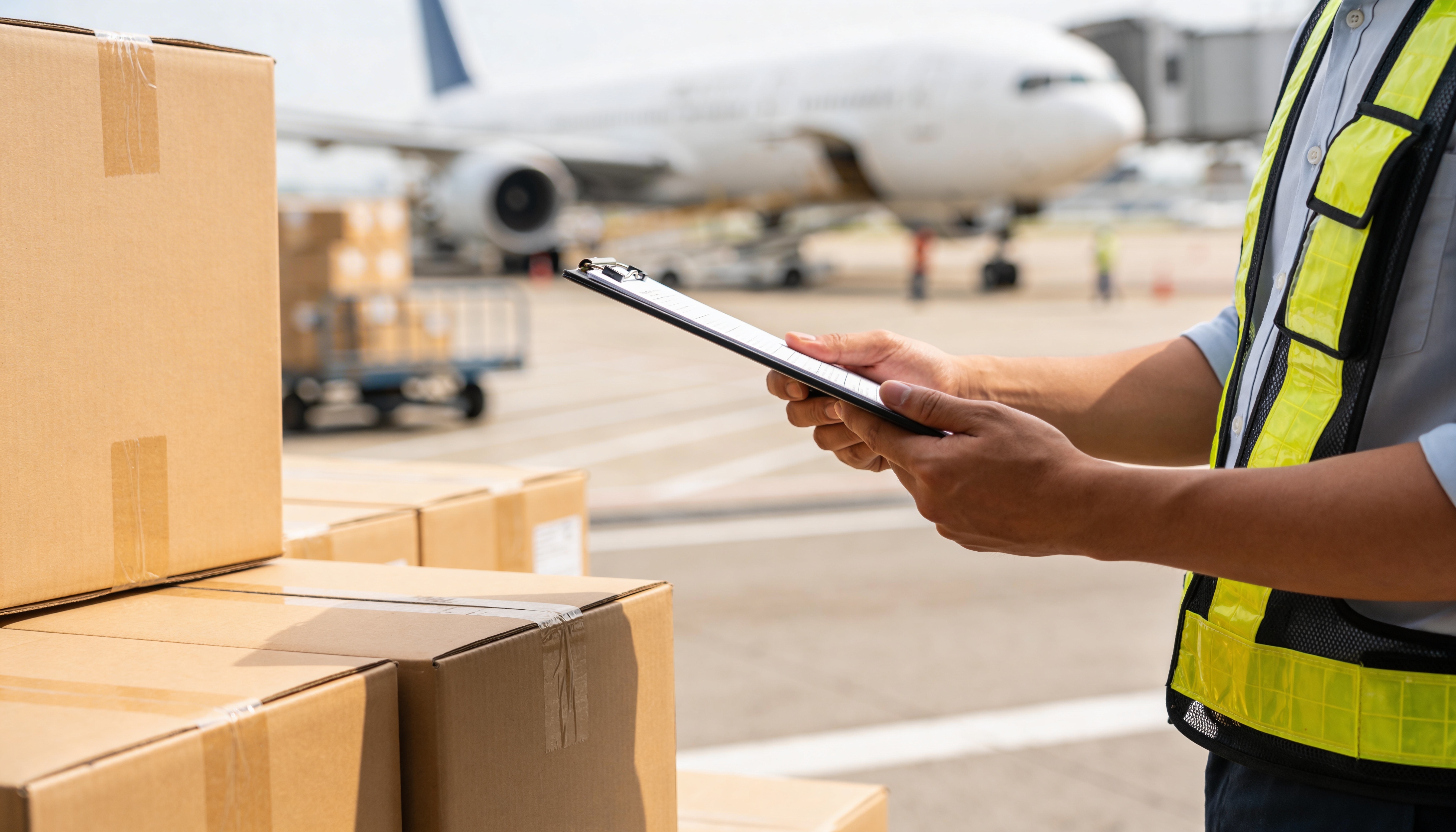
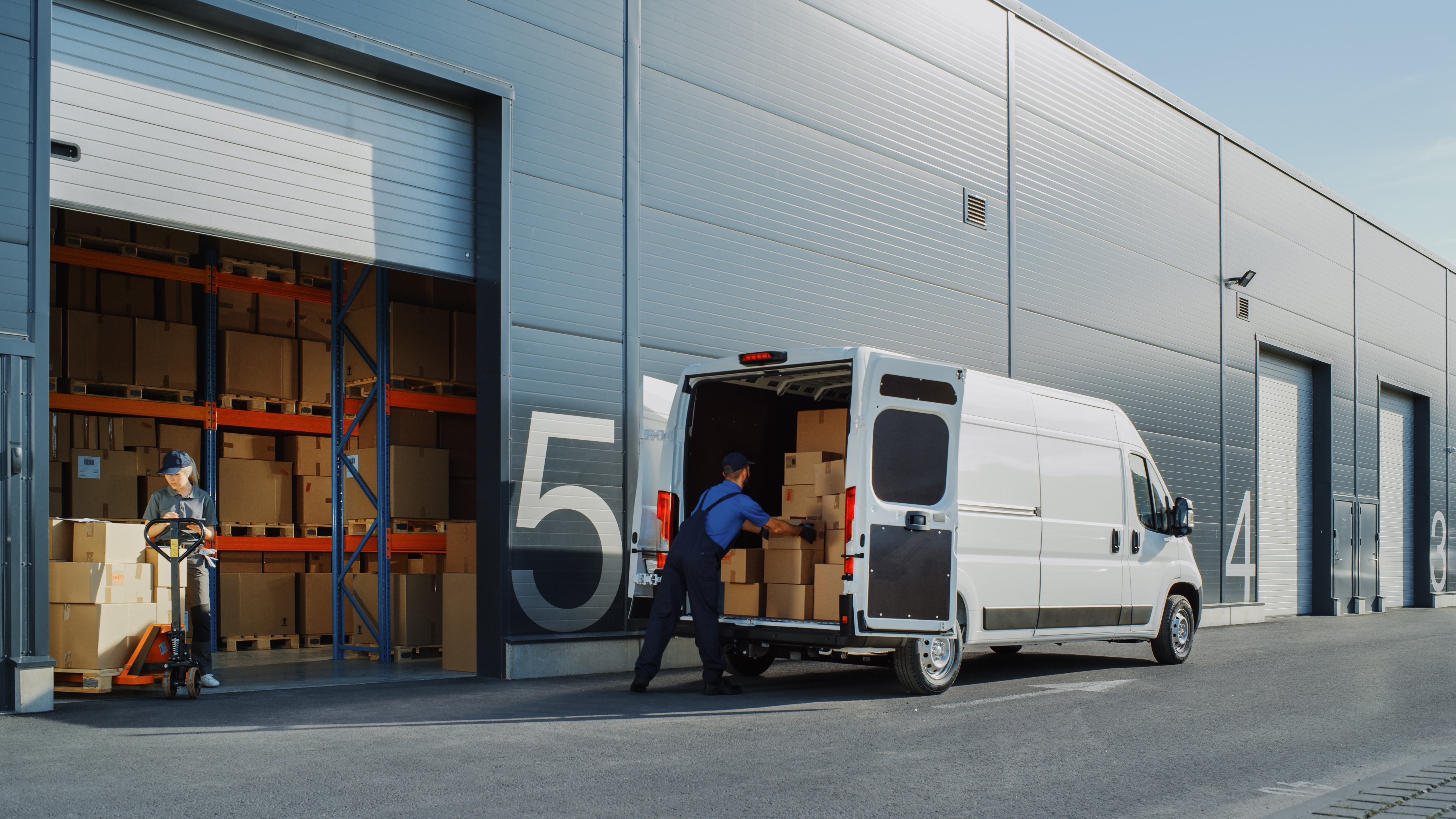
In 2026, airline cargo operations will no longer be driven only by capacity or routes. They are shaped by visibility, speed, and data. As global trade expands and cross-border e-commerce accelerates, you are expected to move shipments faster while maintaining complete operational control.
This is why discussions around Air cargo trends 2026 increasingly focus on digital transformation, operational efficiency, and sustainability rather than aircraft alone. Airlines today must manage growing parcel volumes, rising customer expectations, and tighter margins simultaneously.
E-commerce growth, smarter digital platforms, and environmental accountability are pushing airlines to rethink how cargo moves across borders. To stay competitive, you must understand where delays occur, how pricing becomes unpredictable, and why visibility across shipments has become essential for decision-making. The key air cargo trends in 2026 include steady demand growth, increasing movement of time-sensitive shipments, wider adoption of cloud cargo platforms, and real-time shipment visibility becoming a standard operational requirement.
Air Cargo Trends in 2026: Why This Year Marks a Structural Shift
You are operating in a market that shows stable yet evolving demand. While global air freight volumes continue to grow moderately, shipment behaviour has changed significantly. Instead of large bulk freight movements, airlines now handle frequent, smaller consignments that require strict timelines.
Cargo is no longer treated as supplementary airline revenue. It has become a strategic growth pillar. This shift brings pressure on margins and forces you to optimise yield across every available space, including passenger aircraft belly capacity. Airlines increasingly rely on smarter planning tools and integrated systems to manage fluctuating demand while maintaining profitability.
The structural shift also reflects changing customer expectations. Businesses expect predictability, faster delivery windows, and accurate shipment updates. Without operational visibility, even minor disruptions quickly impact service reliability and revenue performance.
How E-Commerce and Small Parcel Shipping Are Transforming Air Cargo
Cross-border e-commerce continues to reshape airline logistics networks. Today, customers expect international deliveries to feel as seamless as domestic shipping. This expectation directly affects how you manage air cargo operations.
Small parcel, direct-to-consumer shipments are growing faster than traditional freight categories. These shipments move frequently and demand shorter transit times. When delivery timelines extend, conversion rates drop, and cart abandonment increases for online sellers.
So, how is e-commerce affecting air cargo operations in 2026? Simply put, airlines must operate with greater flexibility. You need faster uplift from origin warehouses, consistent flight connections, and better coordination between logistics partners. Airlines are adapting schedules, integrating booking platforms, and collaborating more closely with fulfilment ecosystems to support modern e-commerce shipping solutions. The focus has shifted from moving cargo efficiently to moving cargo predictably.
Digital Transformation in Air Cargo Operations
Digital transformation is now central to operational success. Legacy systems that operate independently across booking, documentation, and tracking create delays and data gaps. Modern airlines are replacing these with cloud-based air cargo management software that connects workflows across departments.
Platforms such as SmartKargo offer airline cargo management solutions specifically designed for digital cargo operations. Their cloud-native system integrates booking, capacity management, tracking, and billing into a single, connected environment. This allows you to automate repetitive tasks while improving operational accuracy.
Automation reduces manual documentation errors and speeds up shipment processing. Forecasting tools support demand prediction and pricing adjustments based on real network conditions. Integration across airline, customs, and logistics systems ensures end-to-end shipment visibility rather than fragmented updates.Digital transformation ultimately allows you to move from reactive operations to proactive planning.
Why Real-Time Air Cargo Tracking Software Is Now Essential
Real-time visibility has become one of the most critical requirements in modern logistics. Shippers no longer accept delayed updates or fragmented tracking information. They expect continuous shipment status updates across every stage of the journey. This is where air cargo tracking software plays a defining role. When you gain real-time insight into cargo movement, you can identify delays between warehouse acceptance, flight uplift, and customs clearance before they escalate into service failures.
Tracking visibility improves operational reliability in several ways. You reduce manual follow-ups, minimise customer service escalations, and respond quickly to disruptions such as missed connections or customs holds. Instead of solving problems after delays occur, you can act while shipments are still in transit.
Real-time data also strengthens network planning. Airlines can analyse recurring bottlenecks, optimise routing decisions, and allocate capacity more effectively. Over time, this builds customer trust because delivery performance becomes consistent and transparent. In modern operations, tracking is not just about knowing where cargo is. It enables smarter decision-making across pricing, scheduling, and customer experience.
Cargo Pricing, Yield Management, and Revenue Optimisation in 2026
Managing pricing has become increasingly complex due to volatile demand cycles and changing trade conditions. Airlines must balance capacity utilisation with profitability while navigating fluctuating fuel costs and geopolitical shifts.
Dynamic load planning helps you maximise both freighter and passenger belly capacity. By combining demand forecasting with operational data, airlines can quickly adjust routes and pricing strategies.
Transparent pricing also plays an important role. Unexpected surcharges, brokerage fees, or changes in duties often lead to invoice disputes and financial uncertainty. Integrated freight management software enables clearer cost visibility, allowing finance teams to forecast shipping expenses more accurately.
Revenue optimisation today depends less on increasing capacity and more on using existing capacity intelligently.
Capacity Planning and Sustainability in Modern Air Cargo Operations
Sustainability is now influencing how airlines plan cargo movements. Environmental accountability has moved from a compliance requirement to a competitive differentiator. Airlines are exploring adopting sustainable aviation fuel and improving load efficiency to reduce emissions per shipment.
Digital documentation significantly reduces paper use while improving cross-border processing speed. Automated compliance reporting also helps you meet evolving regulatory expectations across multiple regions. Smarter capacity planning aligns operational efficiency with sustainability goals. When aircraft space is used effectively, and routing decisions are data-driven, both operational costs and environmental impacts improve simultaneously. This alignment represents the future of air freight, where efficiency and responsibility operate together rather than separately.
Conclusion: Preparing Airline Cargo Operations for the Future
The defining theme of 2026 is agility. To succeed, you must combine digitisation, operational visibility, and smarter capacity management into a unified strategy. Airlines that invest in scalable systems and real-time intelligence gain greater control over cross-border logistics performance. Real-time tracking, integrated cargo platforms, and data-driven planning are transforming cargo from a support function into a long-term growth engine. As demand continues to evolve, the future of air freight will belong to airlines that prioritise transparency, speed, and operational resilience.
When you treat visibility and digital infrastructure as core operational assets rather than optional upgrades, you position your cargo network for sustained growth in an increasingly complex global trade environment.
FAQs
Q. What are the biggest air cargo trends in 2026?
A. Key trends include steady demand growth, expansion of cross-border e-commerce shipments, adoption of cloud cargo platforms, real-time visibility, and stronger focus on cargo as a primary airline revenue stream.
Q. How is e-commerce impacting airline cargo operations?
A. E-commerce increases small parcel shipments and delivery expectations. Airlines must provide faster transit times, flexible booking options, and consistent tracking visibility to support international direct-to-consumer logistics models.
Q. Why is digital transformation critical for air cargo operations in 2026?
A. Digital platforms automate workflows, reduce manual errors, improve visibility, and enable data-driven decisions. This helps airlines manage growing shipment volumes while maintaining efficiency and service reliability.
Q. How can airlines optimise cargo capacity in 2026?
A. Airlines optimise capacity through dynamic load planning, demand forecasting, smarter routing strategies, and integrated systems that maximise utilisation of both freighter aircraft and passenger belly space.
Q. What role does real-time air cargo tracking play in modern operations?
A. Real-time tracking provides shipment visibility, enables faster issue resolution, improves customer trust, and supports better operational planning by identifying delays and inefficiencies across global cargo networks.