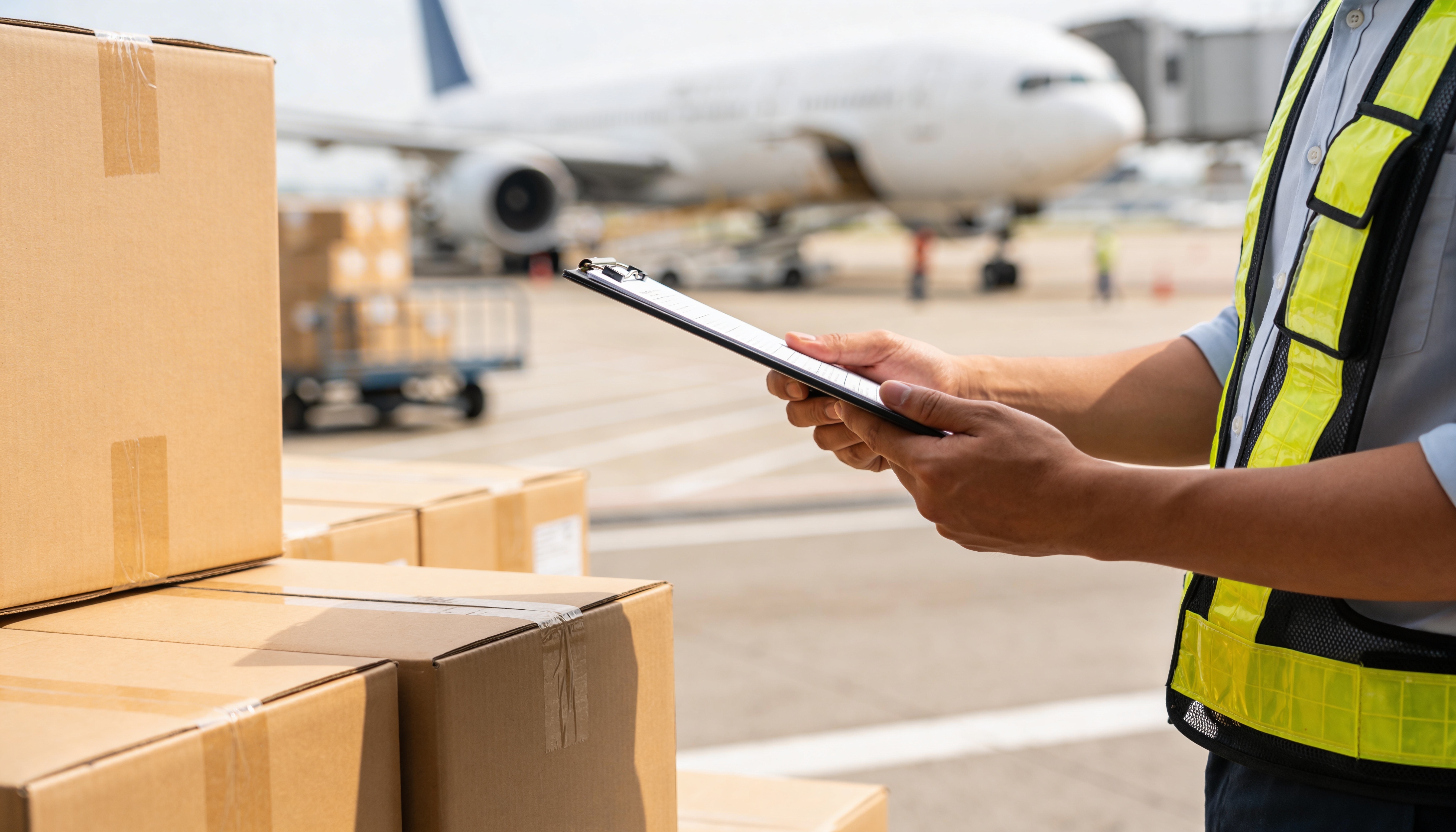
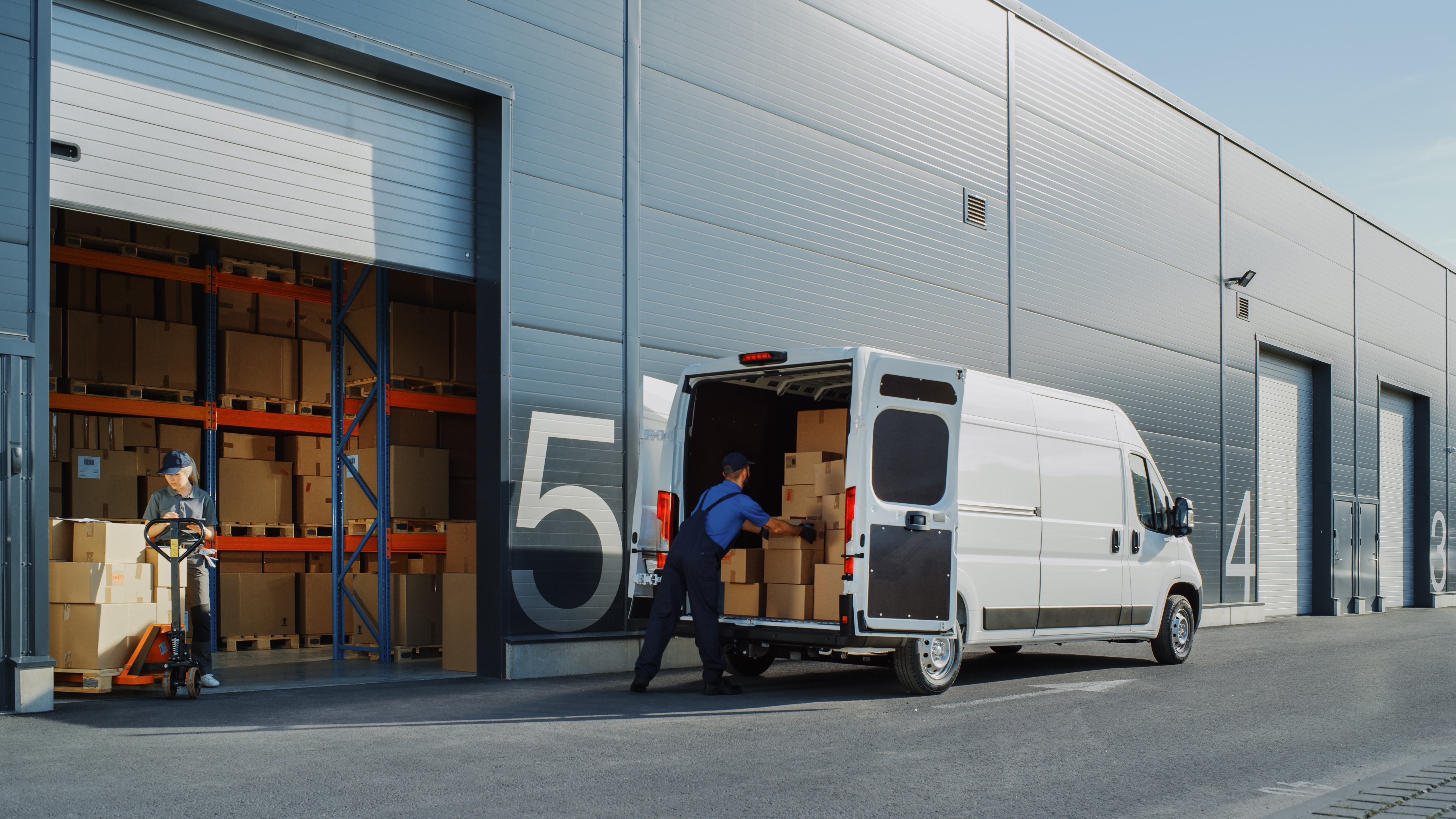
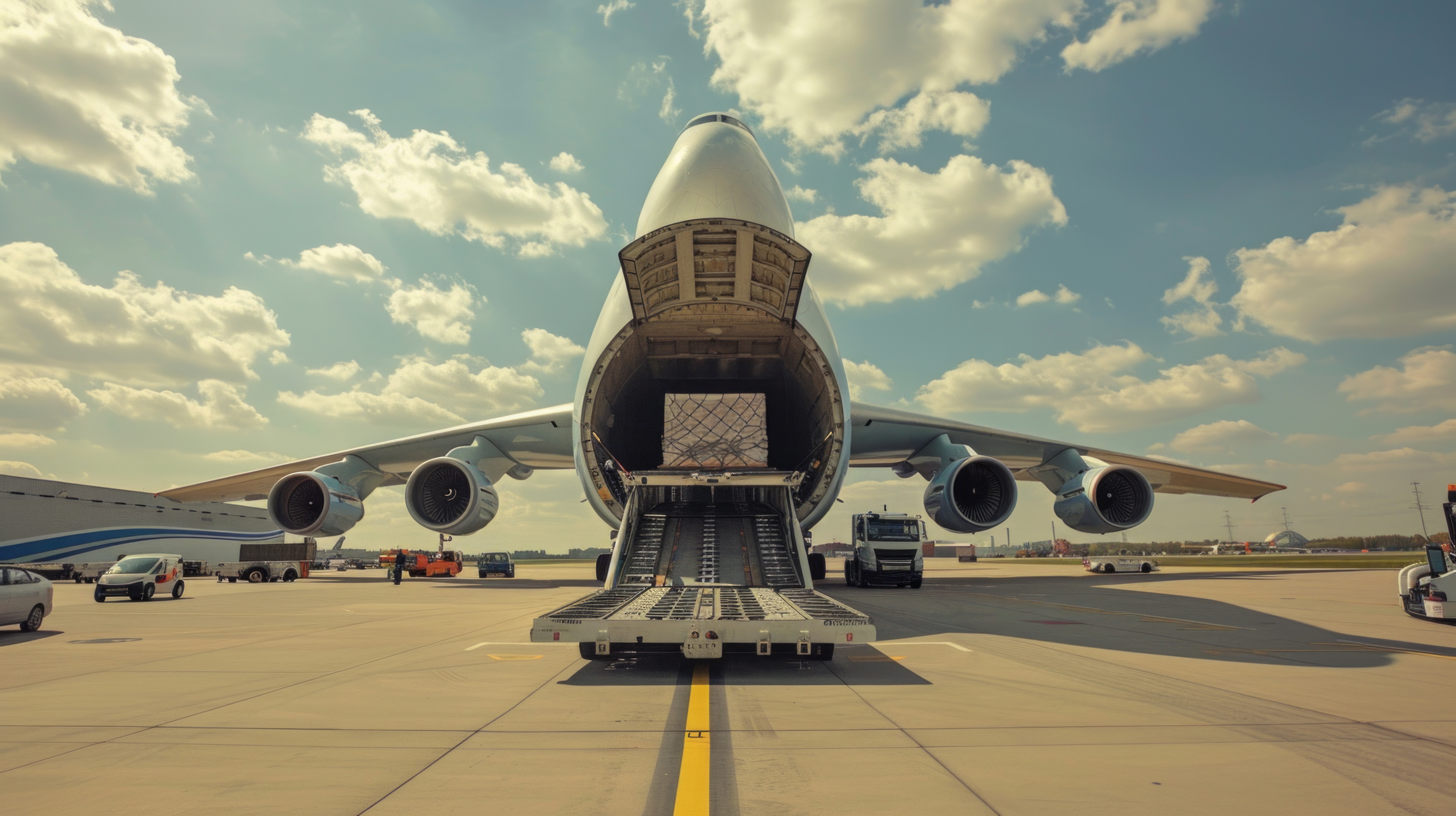
Data centre equipment air freight is becoming a premium opportunity because AI infrastructure needs servers, GPUs, and networking hardware to move quickly, safely, and with clear cost expectations. In 2025, world merchandise trade grew 4.6% as demand for AI-related goods increased , and industry reporting in March 2026 linked air cargo to $157 billion in accelerated imports, which shows how strongly fast lift now supports global tech trade . For airlines, this is no longer ordinary freight. It is a revenue lane built around speed, security, and certainty.
Why Is Data Centre Equipment Becoming a Major Air Cargo Services Category?
The AI infrastructure surge — GPU and server shipment volumes in 2026
AI projects are driving a steady flow of high-value equipment into new and expanding data centres. That includes servers, GPUs, switches, cables, and networking gear that must arrive on time for installation and testing. IATA says air cargo services carries more than 62 million tonnes of goods a year and accounts for more than 33% of global trade by value, which explains why urgent technology shipments naturally gravitate toward the air network. In simple terms, the faster the buildout moves, the more valuable air capacity becomes.
Why speed-to-deployment makes air the default choice over ocean freight
For these shipments, delay is not just inconvenient; it is costly. It can push back an entire deployment schedule, hold up testing, and delay revenue for the organisation while the equipment is waiting. Air gives them a much shorter path from origin to installation, which matters when hardware is tied to a launch date, a customer commitment, or a new facility opening. That is why speed is becoming a growth lever, not a luxury, in cross-border logistics.
What Makes This Cargo Category Unique?
Weight, dimension, and handling requirements
Data centre equipment is often dense, bulky, and costly, even when the boxes look compact. That means airlines and handlers need accurate weight checks, careful pallet building, and clean acceptance processes so shipments move through the network without avoidable delays. The real challenge is not just finding space. It is keeping the movement predictable from booking to delivery. When the hardware is time-critical, even minor handling errors can have costly knock-on effects.
Security, chain-of-custody, and insurance considerations
These shipments also need strong security because the items are valuable, easy to resell, and often part of larger project budgets. IATA says the Consignment Security Declaration creates an audit trail showing when, how, and by whom cargo was secured. In contrast, SmartKargo says its platform provides end-to-end visibility, secure data transmission, and standards-based messaging. That kind of control helps organisations reduce risk, support insurance discussions, and build trust with customers who expect tight oversight.
Which Trade Lanes Are Seeing the Highest Demand for Cross-border Air Freight Services?
Taiwan, South Korea, and the US — the core hardware triangle
The busiest lanes tend to link hardware production, component assembly, and fast-growing AI buildouts. Recent reporting shows Taiwan remains central to AI hardware manufacturing, while South Korea is investing heavily in AI infrastructure, including large GPU deployments, and US-based manufacturing is also expanding around AI data centre equipment. Together, these markets form a strong backbone for urgent equipment flows that need dependable lift and close coordination.
Emerging data centre markets: Middle East, SEA, Europe
Demand is also spreading into the Middle East, Southeast Asia, and Europe as organisations add new capacity and modernise existing sites. These markets care about speed, but they also care about reliability, because hardware often has to cross several borders before it reaches the final installation point. That is why flexible international air freight services are becoming a practical solution for businesses seeking faster deployment and fewer surprises.
How Should Airlines Approach Cargo Pricing for This Opportunity?
Spot vs contract air cargo freight rates for tech hardware
For this cargo class, cargo pricing should reflect urgency, service level, and handling complexity rather than treating every shipment like a standard pallet. Spot rates may work for sudden deployment needs, but contract pricing can help airlines win repeat business from organisations that ship regularly and need predictable budgets. The strongest models usually make the cost easy to understand upfront, because tech buyers dislike hidden charges and last-minute surprises.
Building dedicated capacity and SLA commitments
Airlines that want this business need more than space on a flight. They need service reliability, clear SLAs, and the ability to track performance across the shipment journey. SmartKargo says its cloud platform gives airlines real-time visibility, one-screen booking, integrated pricing, and automation across booking, billing, and revenue accounting. That kind of structure helps carriers use capacity better, reduce manual errors, and present a more professional offer to high-value shippers.
How Smartkargo's Cargo Management System Helps Airlines Handle High-value Shipments Cargo Management System
SmartKargo positions its platform as a cloud-based SaaS solution for air freight shipment, tracking, and eCommerce shipping, with real-time visibility and a unified environment for booking, operations, pricing, and partner integrations. It also says the system is browser-based, requires no hardware installation, and can go live within weeks, which makes it easier for airlines to respond quickly when demand spikes. For high-value data centre equipment, that mix of speed, visibility, and secure data handling is exactly what supports better control and better customer confidence.
Is Your Airline Ready to Serve the Data Centre Market?
The airlines that win in this space will be the ones that can move quickly, protect every handover, and quote confidently. They will also need systems that support clear pricing, strong visibility, and fewer manual steps across the shipment journey. In a market where AI buildouts keep expanding and equipment must arrive on schedule, the best-prepared carriers will treat air cargo services for technology as a strategic revenue line, not a side business.
FAQs
Q. Why is data centre equipment becoming a high-growth air cargo services category in 2026?
A. Because AI buildouts need servers, GPUs, and networking gear delivered fast, and trade growth around AI-related goods is increasing demand for urgent air capacity.
Q. Which trade lanes are seeing the most demand for data centre and GPU air freight?
A. The strongest flows are linked to Taiwan, South Korea, and the US, with new demand also building across the Middle East, South East Asia, and Europe.
Q. What are the handling and security requirements for shipping servers and data centre hardware by air?
A. They need accurate weight checks, careful pallet handling, secure documentation, and strong chain-of-custody controls to reduce loss, damage, and shipment delays.
Q. How should airlines set cargo pricing for high-value tech hardware shipments?
A. They should price for urgency, handling complexity, and service level, with clear upfront terms that reduce surprises for customers and support repeat business.
Q. How does a cargo management system help airlines win and retain data centre equipment freight contracts?
A. It improves visibility, automates booking and billing, supports better pricing decisions, and helps airlines provide a more reliable customer experience.
Q. How does SmartKargo help airlines manage and price high-value data centre equipment shipments?
A. SmartKargo provides a cloud-based platform with real-time visibility, integrated pricing, secure data handling, and quick deployment, which helps airlines manage premium cargo more efficiently.