Same-day and next-day delivery is no longer a premium service. It is now a baseline consumer expectation, with around 80 per cent of shoppers expecting retailers to offer same-day delivery and roughly 74 per cent expecting delivery within two days. Ground carriers dominate short-range fast delivery, but airlines have a speed advantage no ground network can match over distance. Airlines that position their networks correctly can compete directly for fast-delivery volumes, rather than watching that growth pass them by. The rise of same-day and next-day delivery is a genuine opportunity for airlines, provided they have the right e-commerce shipping solutions to execute it.
How Consumer Delivery Expectations Have Changed the E-commerce Shipping Landscape
Two-day delivery was revolutionary in 2010. Today, it is table stakes, and same-day delivery is fast becoming the new differentiator.
-
Same-day delivery is now available in major metro markets from leading e-commerce platforms, and roughly 80 per cent of consumers expect it to be offered as an option.
- Around 43 per cent of shoppers have abandoned a cart or a retailer altogether because of slow shipping speeds.
- D2C brands are under intense pressure to match marketplace delivery speed, even without the same logistics scale as major platforms.
- Airlines have historically played a limited role in fast, last-mile delivery. That opportunity is now opening up, as e-commerce shipping solutions built for speed and end-to-end fulfilment become increasingly accessible to carriers.
For network planning and revenue teams, this shift changes the conversation from simply filling belly space to actively competing for a defined category of shipment: time-sensitive parcels that command a premium when delivered reliably.
Why Airlines Have a Structural Speed Advantage in Small Package Delivery
Distance is where airlines win. Ground networks are efficient over short distances, but air transport changes the equation over longer ones.
-
Air transport covers distances in hours that ground carriers take days to cover, particularly across regions or between countries.
- Direct routing reduces transit time, since packages travel from origin to destination without the multiple handling points typical of ground express delivery.
- Airlines serving major population centres can offer next-day delivery at a competitive cost, using capacity that is already flying.
- Belly cargo capacity on high-frequency routes is well suited to fast small package delivery, without the need for dedicated freighters.
- Airlines combine the speed of air transportation with a level of flexibility and transparency that ground carriers cannot match at distance.
The Technology Requirements for Delivering Same-Day and Next-Day at Scale
Speed is only achievable at scale with the right technology underneath it. Manual processes cannot keep pace with same-day shipping volumes.
-
Real-time API integration for instant order receipt and booking confirmation, removing delay at the point of sale.
- Automated capacity allocation, ensuring space is available for time-sensitive shipments even during peak demand.
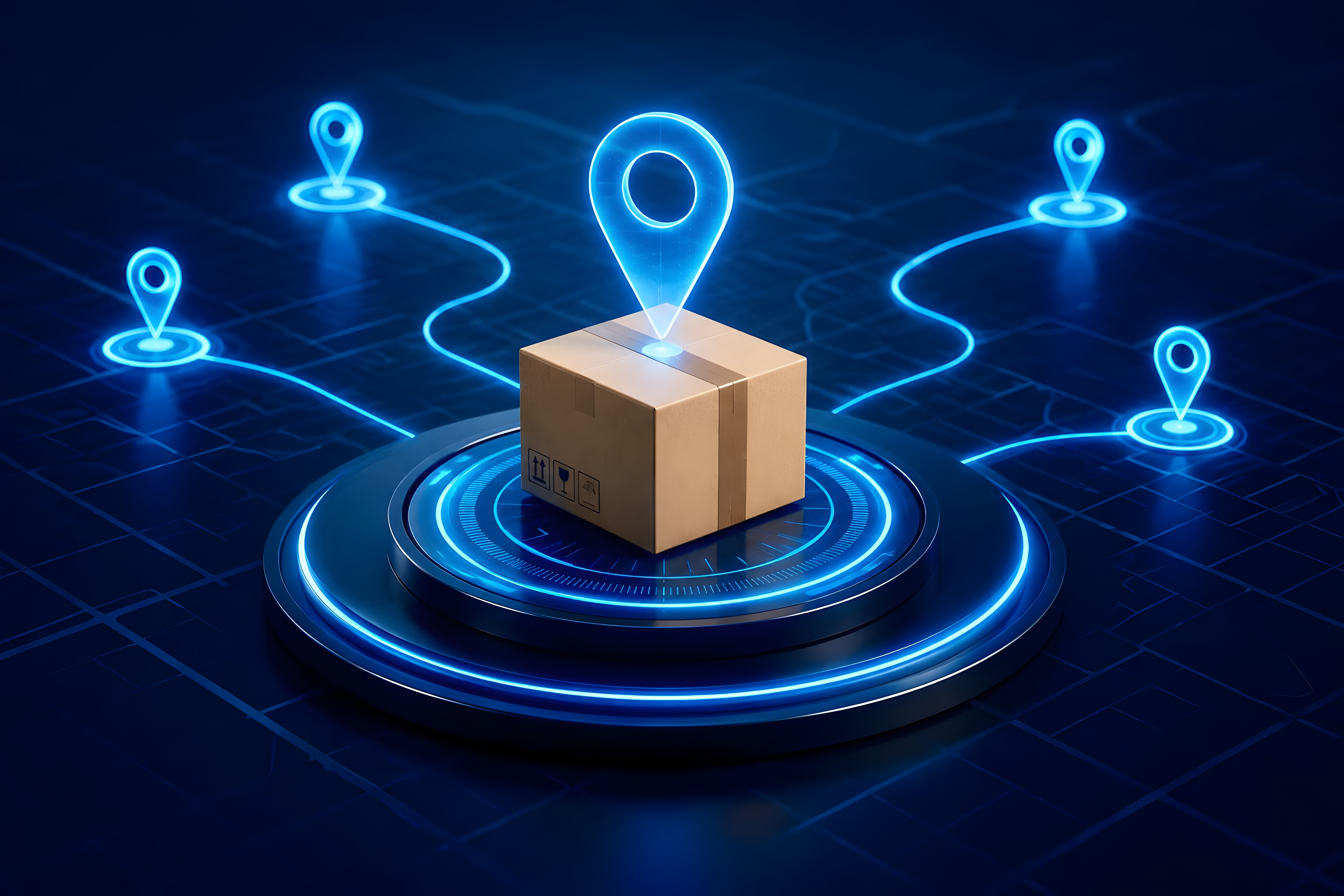
- Real-time air cargo tracking at every leg, giving consumer-grade visibility from click to door.
- Tight first-mile and last-mile partner integration for seamless dock-to-door execution.
- Flexible service level management, so next-day, two-day, and standard options can all run on one platform.
How AI Helps Airlines Manage Fast Delivery Operations Profitably
Speed creates operational pressure across pricing, capacity, and routing. AI removes bottlenecks before they affect delivery promises.
AIRCAM, SmartKargo's AI-powered revenue and capacity management solution, optimises pricing for time-sensitive shipments, helping ensure next-day delivery generates strong yield from available capacity rather than being priced as an afterthought. AIRNOC, SmartKargo's AI-powered network operations capability, provides real-time decision support for fast-moving cargo flows across the network. Demand forecasting then reserves capacity ahead of time for high-value, fast-delivery shipments, rather than airlines discovering a shortfall after the booking window has closed.
How SmartKargo Positions Airlines to Win in Fast E-commerce Delivery
SmartKargo gives airlines the full technology stack needed to compete on speed, not just the flight capacity to move fast.
-
An end-to-end platform automating the full journey from order to doorstep.
- Flexible service levels, including next-day and two-day delivery options, configured on one system.
- Seamless dock-to-door connectivity, with integrated first-mile and last-mile partner networks.
- Real-time shipment tracking providing consumer-grade visibility throughout delivery.
- A scalable, cloud-native platform that handles high-volume fast-delivery orders without disruption.
- Proven with global airlines competing successfully against ground-based carriers on both speed and price.
Conclusion
Same-day and next-day delivery is reshaping who wins in e-commerce logistics, and the shift favours networks that can move fast over distance. Airlines have the speed. What most still need is the platform to execute it at scale, profitably, and without disruption during peak demand. SmartKargo's e-commerce shipping solutions give airlines what they need to compete on delivery speed. See how SmartKargo helps airlines capture the fast-delivery e-commerce opportunity.
FAQs
Q. Why is same-day and next-day delivery becoming standard in e-commerce?
A. About 80 per cent of consumers expect same-day delivery, and slow shipping drives cart abandonment.
Q. How can airlines compete with ground carriers on fast small package delivery?
A. By using direct routing and belly cargo capacity to cover long distances faster than ground networks.
Q. What e-commerce shipping solutions do airlines need for next-day delivery?
A. A platform with real-time booking, automated capacity allocation, tracking, and first/last-mile partner integration.
Q. How does real-time air cargo tracking support same-day and next-day delivery?
A. It gives shippers and customers consumer-grade visibility from booking through to delivery, building trust.
Q. How does AI help airlines optimise pricing for time-sensitive cargo shipments?
A. AI dynamically prices capacity against demand, helping fast-delivery shipments generate strong yield.
Q. How does SmartKargo help airlines offer next-day and two-day delivery services?
A. It automates booking, pricing, tracking, and delivery on one platform, with partner networks for first and last mile.