Global e-commerce revenues are set to pass US$5 trillion in 2026, and a growing share of that spending now flows straight from brands to shoppers. Direct-to-consumer (D2C) companies are bypassing distributors and wholesalers to sell directly, often across borders. For these brands, how quickly and reliably a parcel arrives has become a key competitive differentiator. Airlines, with established networks and spare belly capacity, are well placed to power this shift. This article looks at why air cargo is becoming the backbone of modern D2C logistics, the capabilities airlines need, and how the right e-commerce shipping solutions turn cargo shipping into a new growth engine.
What D2C Commerce Means for Air Cargo Demand
D2C brands sell directly to the end consumer, which changes the shape of the freight they generate. Instead of bulk pallets moving to a few distribution centres, airlines now see large volumes of individual parcels heading to thousands of doorsteps. That shift is reshaping demand for air cargo services, and it rewards carriers that can handle many small consignments rather than a few large ones.
-
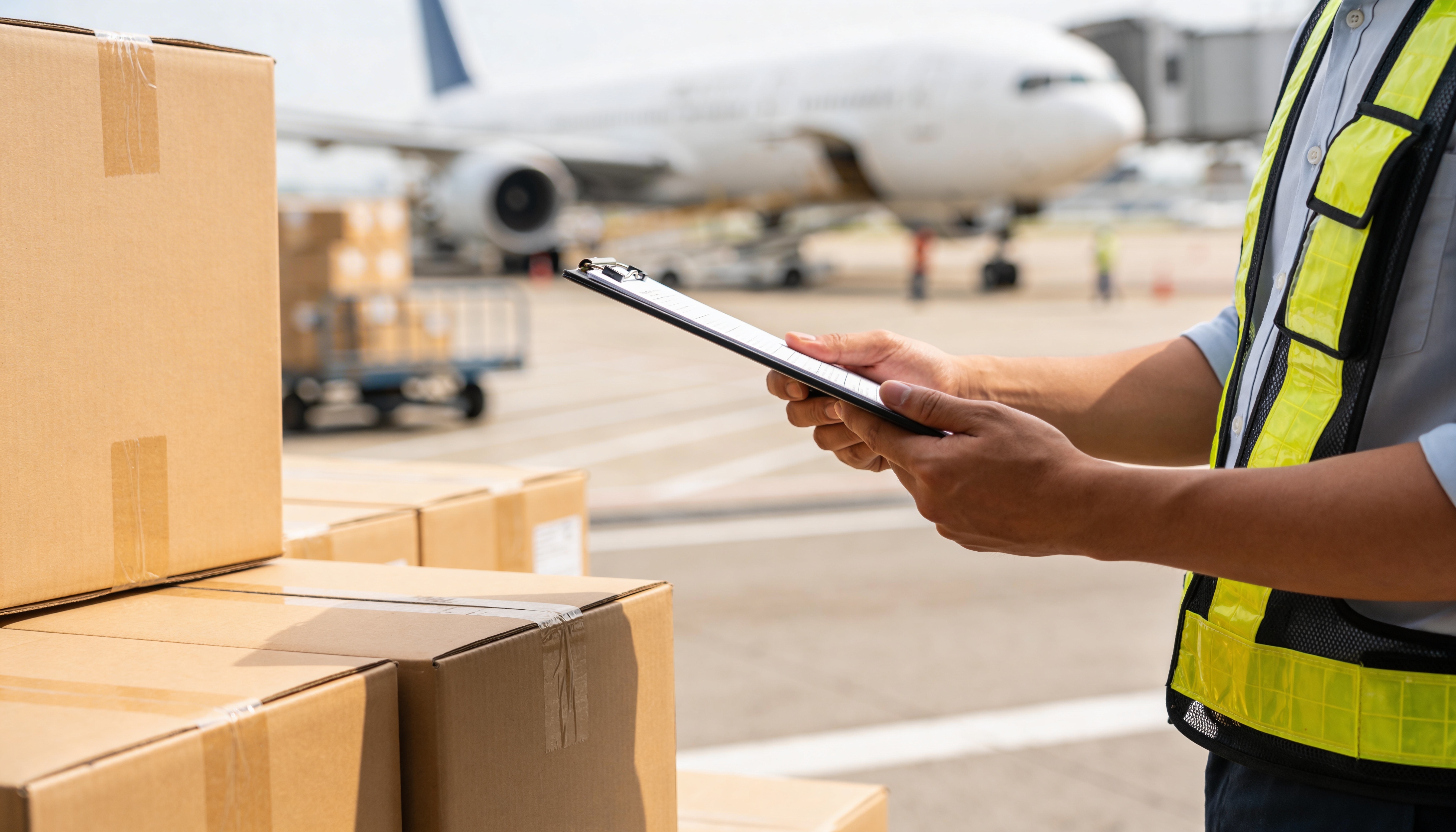
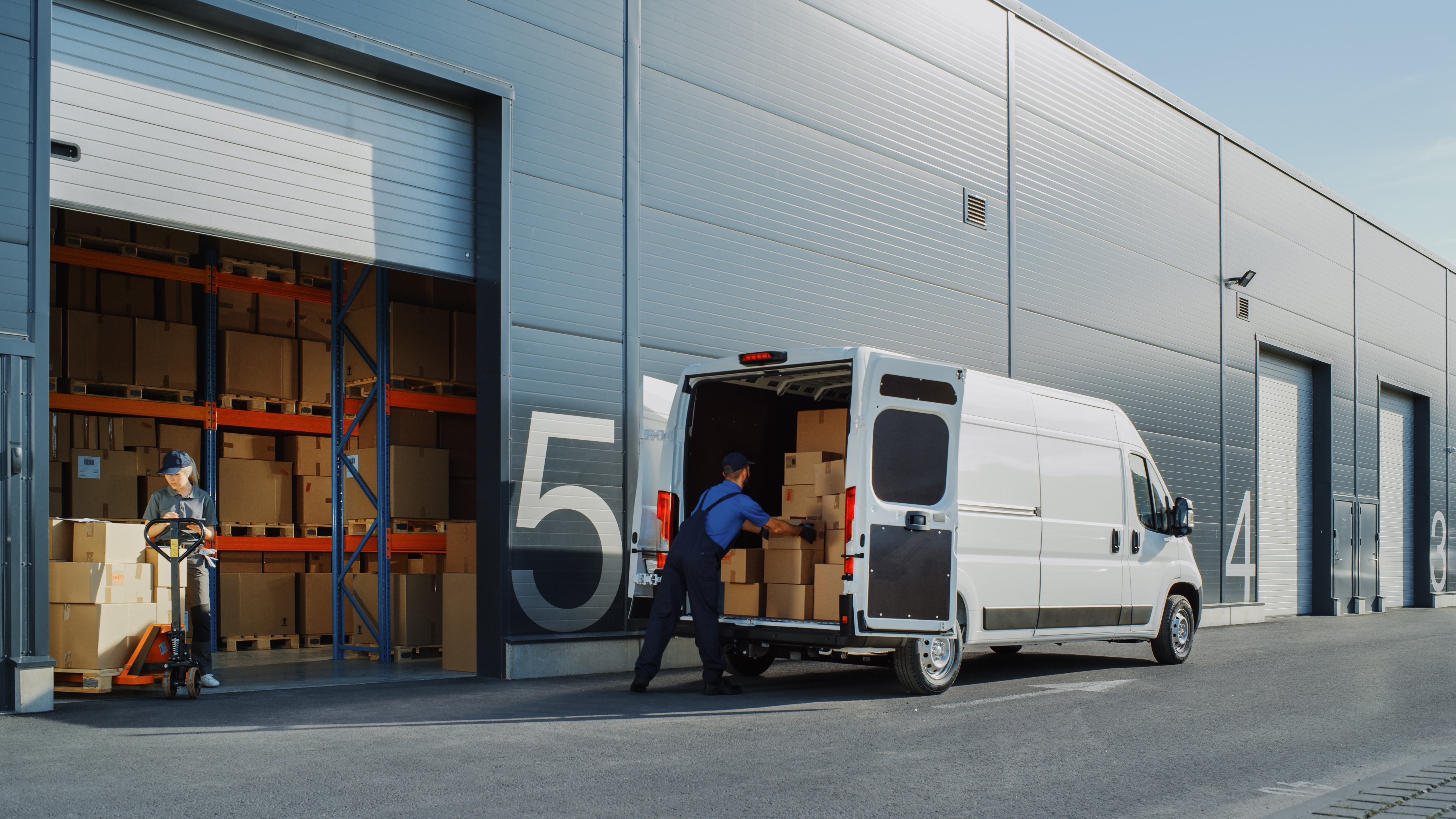
Factory and warehouse to doorstep: Products move directly from the brand's fulfillment network to the customer, reducing reliance on traditional retail distribution channels and creating a faster, more streamlined delivery experience.
- Higher delivery expectations: Consumers increasingly expect deliveries to be fast, reliable, and fully trackable, with shipment visibility becoming a standard part of the customer experience.
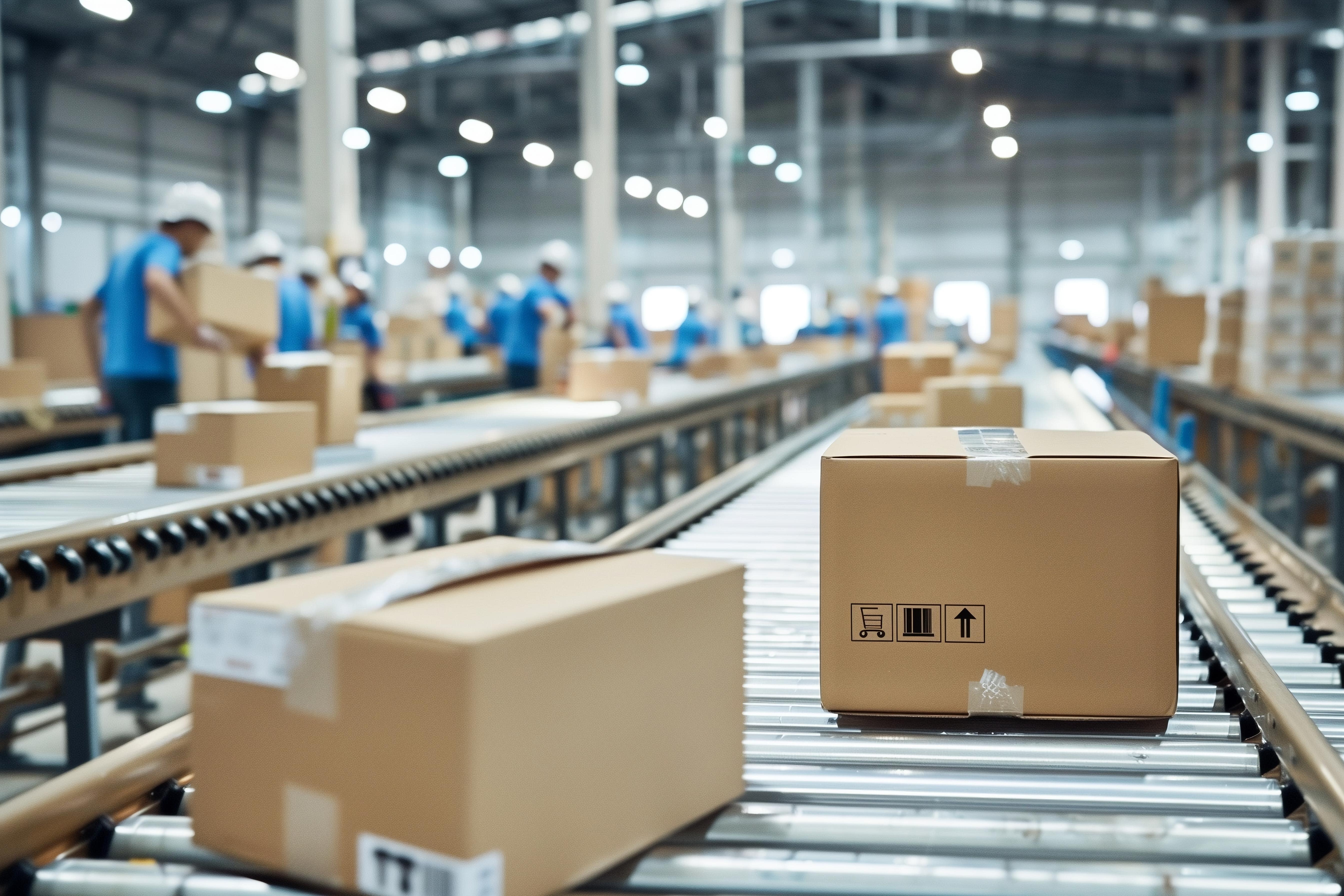
- More parcels, smaller shipments: The growth of e-commerce and direct-to-consumer (D2C) fulfillment is driving higher volumes of small-parcel shipments, changing how goods move through global supply chains.
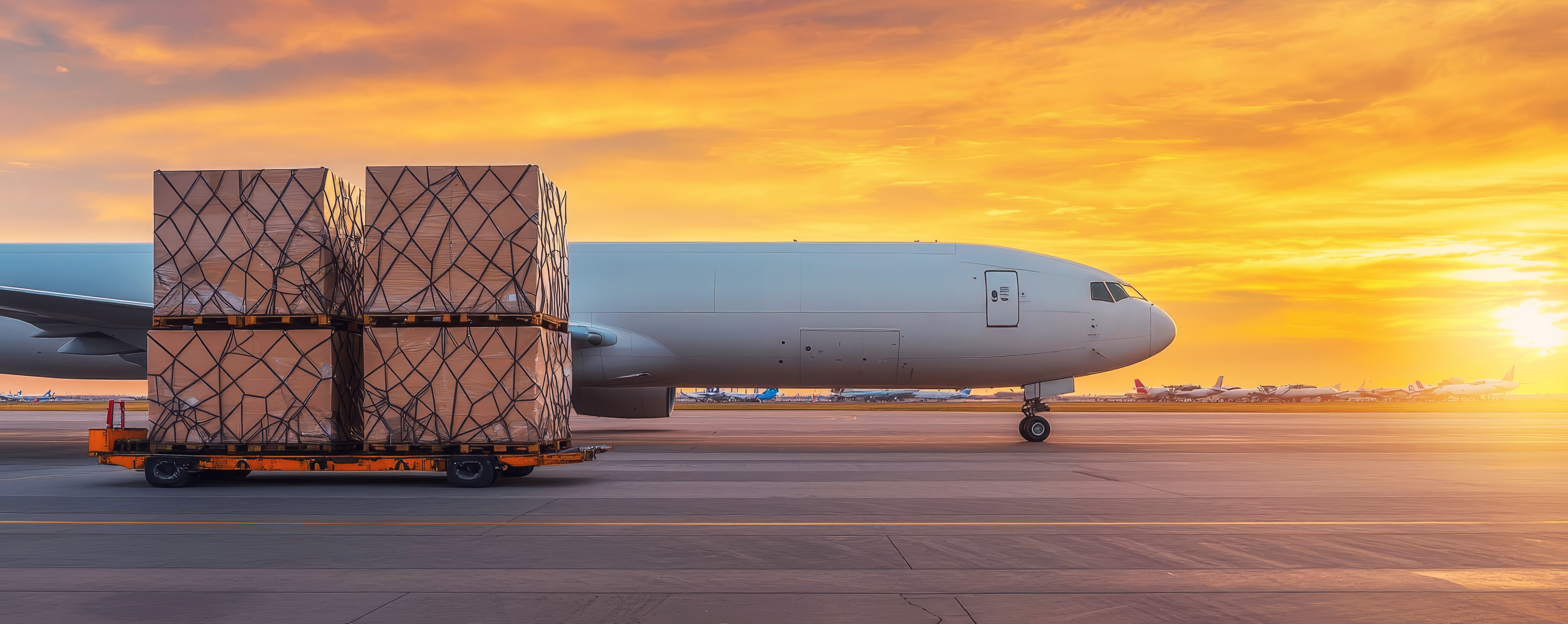
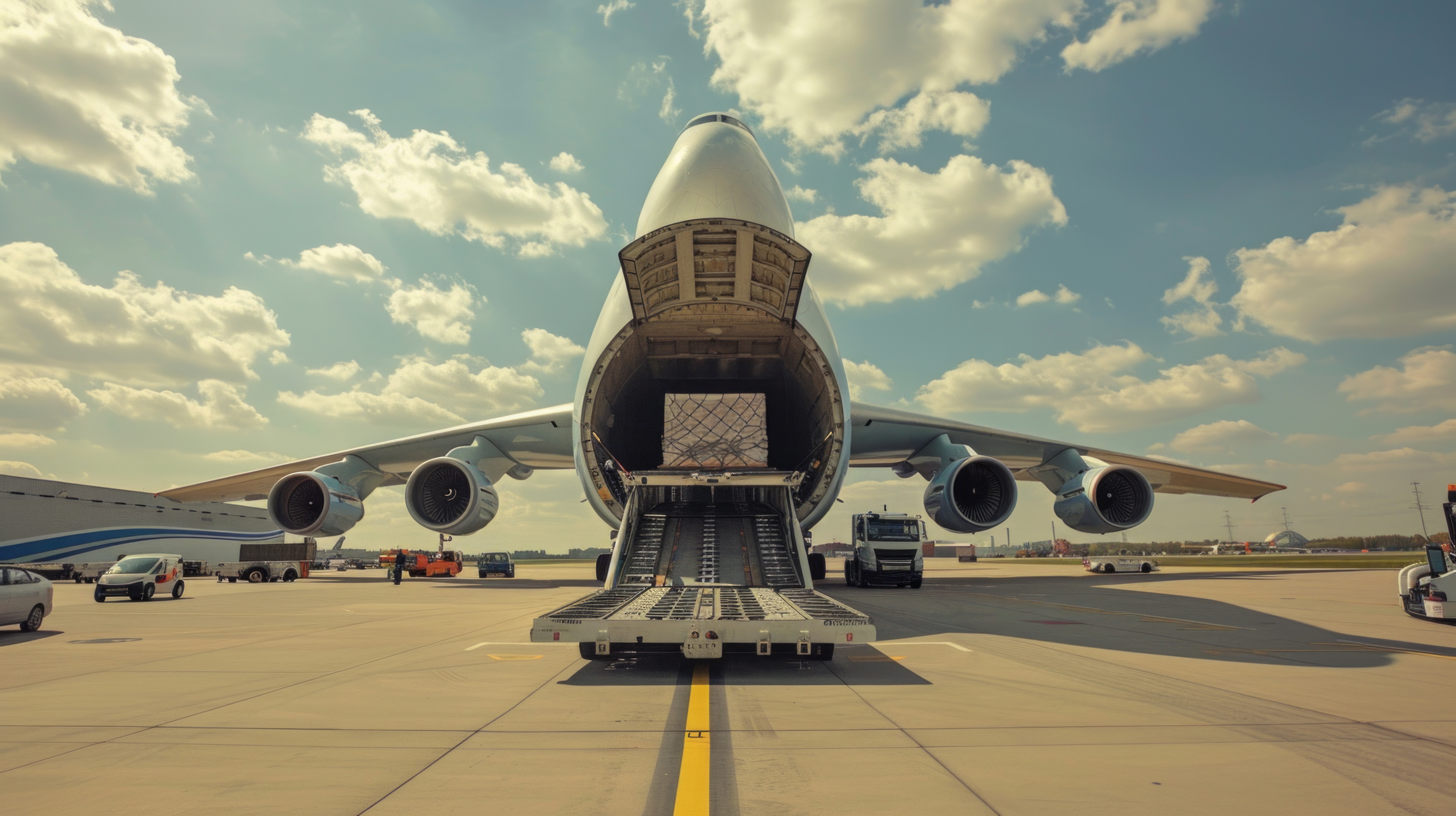
- Untapped cargo capacity: Many passenger flights have available belly cargo capacity that can be used to transport growing volumes of e-commerce and D2C shipments, creating new revenue opportunities for airlines.
How Airlines Are Entering the D2C E-commerce Shipping Market
Airlines built for bulk freight are now adapting their air cargo services to handle small-parcel e-commerce delivery. The opportunity is twofold: monetise underused belly capacity, and offer dock-to-door services that connect retailers directly to consumers. Several carriers already automate the full small parcel shipping journey, from shopping cart to doorstep, on a single platform.
Key Capabilities Airlines Need to Serve D2C Supply Chains
Serving D2C brands takes more than spare capacity. It requires a connected set of digital capabilities that spans the whole shipment lifecycle. Airlines that invest in these e-commerce fulfilment solutions can offer the speed and transparency that D2C customers demand. Understanding what a modern air cargo management system must include is the starting point for building this capability.
-
API integration: Real-time connections to D2C retailer platforms so orders flow straight into the airline's system.
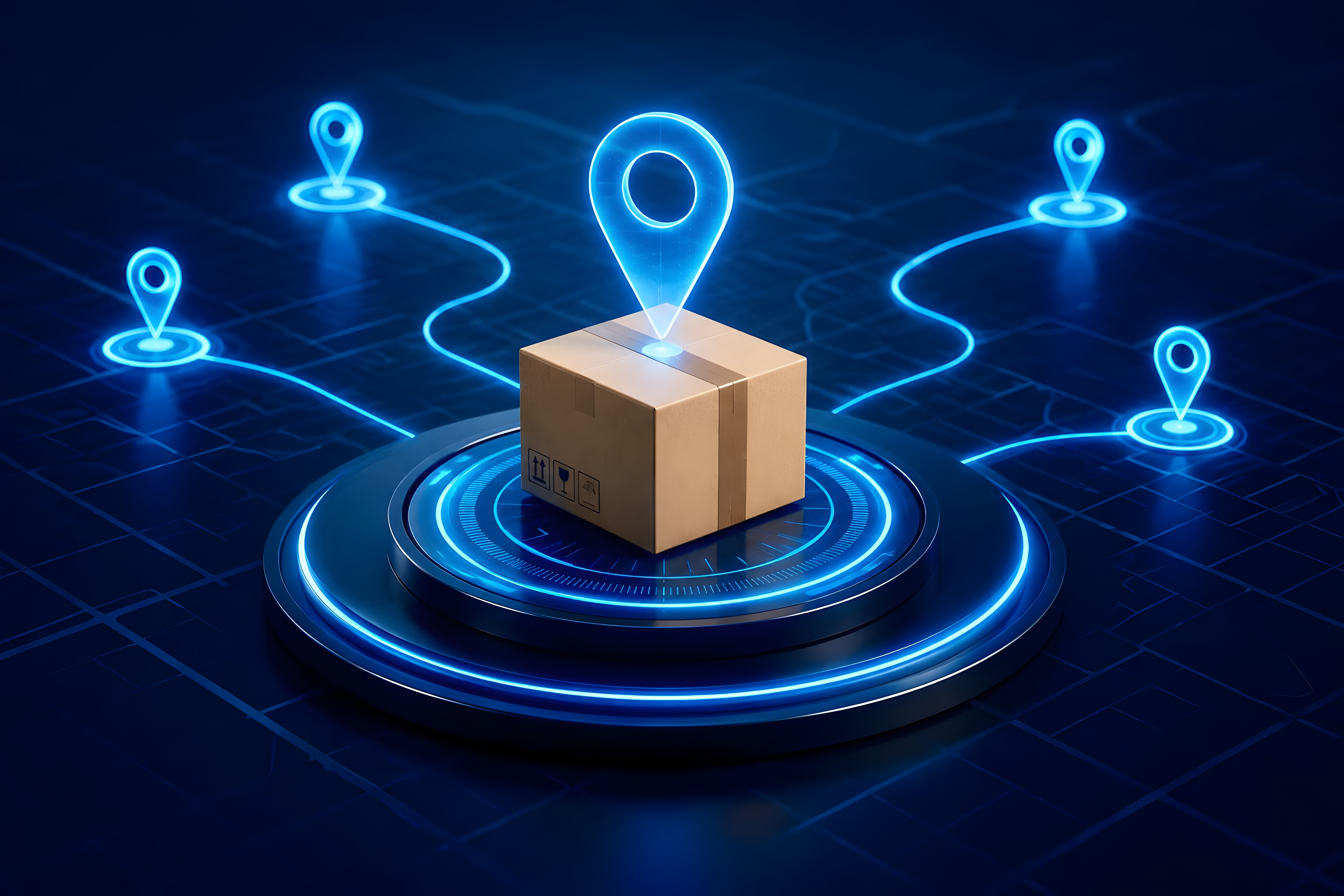
- End-to-end visibility: Real-time air cargo tracking that lets shippers and end consumers follow a parcel from pickup to delivery.
- First and last mile: Integrated road transport at both ends of the air journey.
- Automated back office: Booking, pricing, billing and revenue accounting handled without manual effort.
- Smart warehousing: Management of interim storage and forward parcels.
- Mobility apps: Tools for shippers, drivers and warehouse teams to work from any device.
Why SmartKargo's Platform Is Built for D2C Air Cargo Operations
SmartKargo provides airlines with a single, integrated platform to support modern e-commerce and direct-to-consumer (D2C) cargo operations without requiring them to replace their existing systems. Trusted by more than 25 airlines worldwide, the platform helps carriers digitize cargo operations, automate workflows, increase shipment visibility, and unlock new revenue opportunities from cross-border e-commerce. As demand for small-parcel shipping continues to grow, SmartKargo enables airlines to transform existing cargo capacity into scalable, technology-driven logistics services.
-
Cloud-native and scalable: Built on Microsoft Azure to handle volume spikes without disruption.
- Order to delivery automation: Manages the full process, from an online order through to final delivery.
- No infrastructure overhaul: Works alongside any existing cargo system, so carriers avoid a costly rip-and-replace.
- Speed and transparency: Supports fast, reliable e-commerce delivery with visibility at every stage.
These capabilities let airlines compete with established integrators while using assets they already own.
D2C commerce is changing what airlines must offer their cargo customers. Carriers that provide integrated e-commerce shipping solutions can open new revenue streams from capacity that would otherwise fly empty. SmartKargo's platform is built to power D2C air cargo for airlines worldwide, connecting their networks to the brands and consumers driving this growth.
Discover how SmartKargo connects airlines to the D2C e-commerce market.
FAQs
Q. What is a D2C supply chain, and how does air cargo fit in?
A. A D2C supply chain moves goods straight from brand to consumer. Air cargo provides the fast, long-distance link that makes quick delivery possible.
Q. How are airlines adapting cargo operations for direct-to-consumer e-commerce?
A. They are monetising belly capacity, adding dock-to-door services, and automating the journey from online order to doorstep on a single platform.
Q. What e-commerce shipping solutions do airlines need to serve D2C brands?
A. Airlines need API integration, real-time tracking, first and last-mile coverage, automated billing, and smart warehousing across the shipment lifecycle.
Q. How does real-time cargo tracking improve D2C customer experience?
A. It lets shippers and consumers follow a parcel from pickup to delivery, building trust and reducing support queries.
Q. How can airlines monetise belly cargo capacity for D2C shipments?
A. Airlines monetise belly cargo capacity for D2C shipments by selling spare hold space directly to D2C retailers through integrated platforms that handle booking, pricing and delivery automatically.
Q. What results have airlines achieved serving D2C e-commerce with air cargo?
A. Delta has seen double-digit growth with DeliverDirect, while Azul now serves more than 4,200 Brazilian cities.