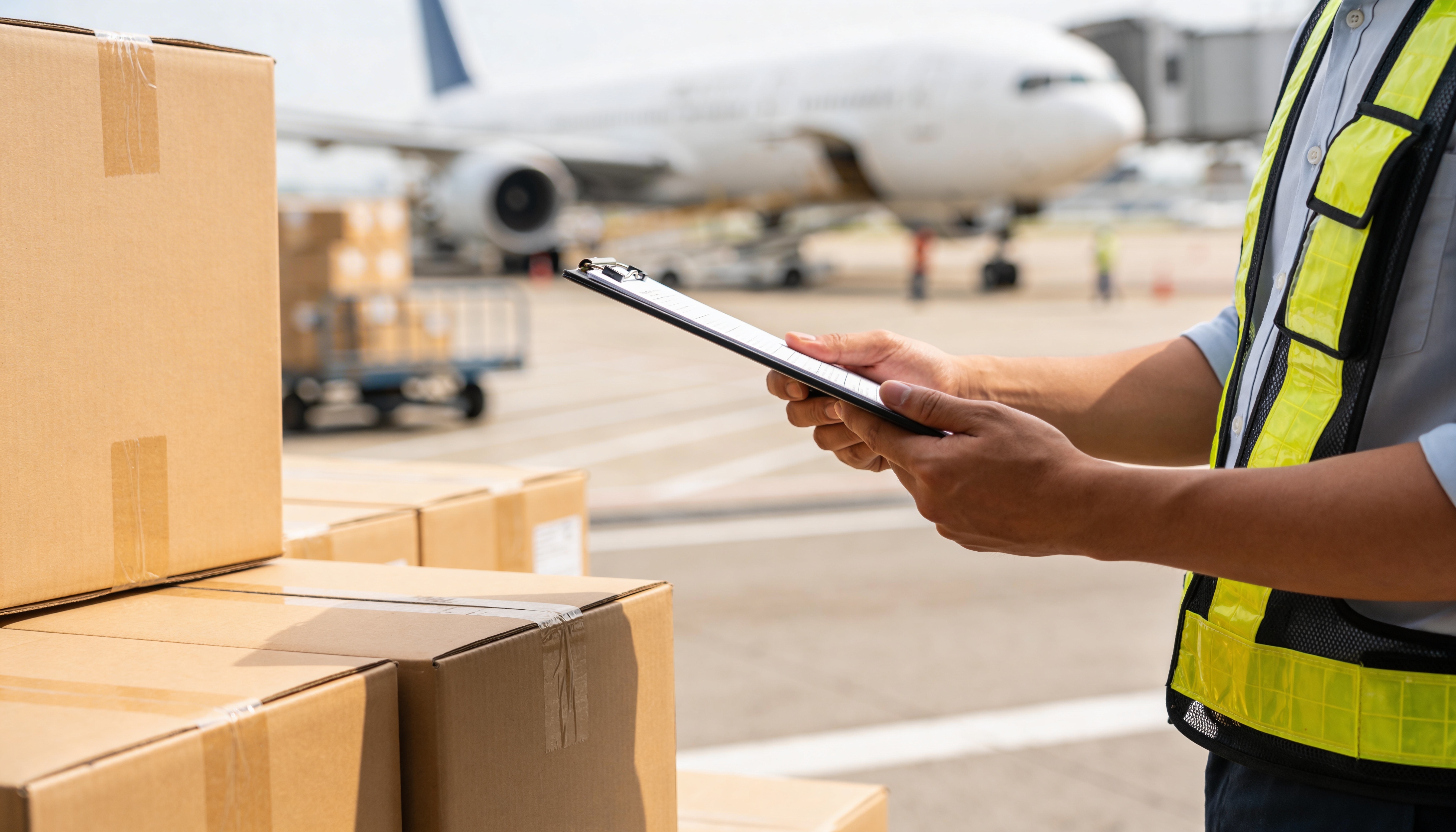
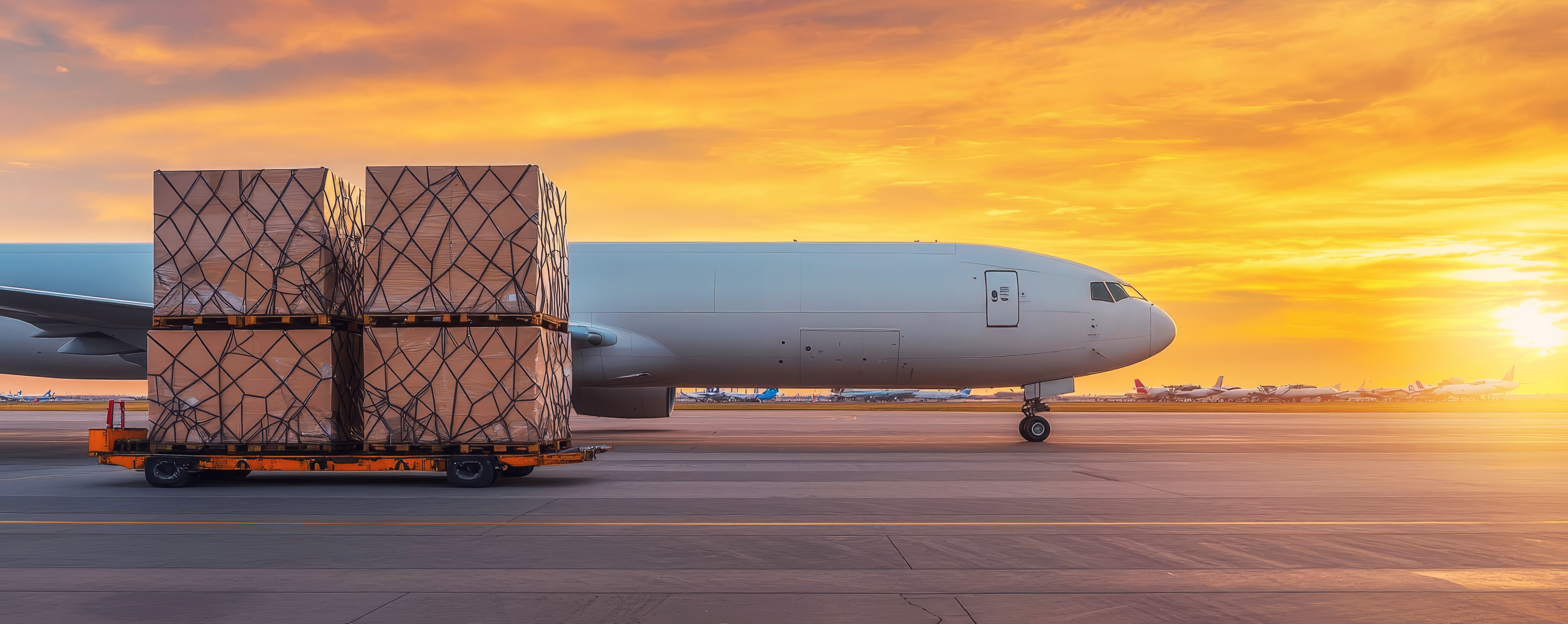
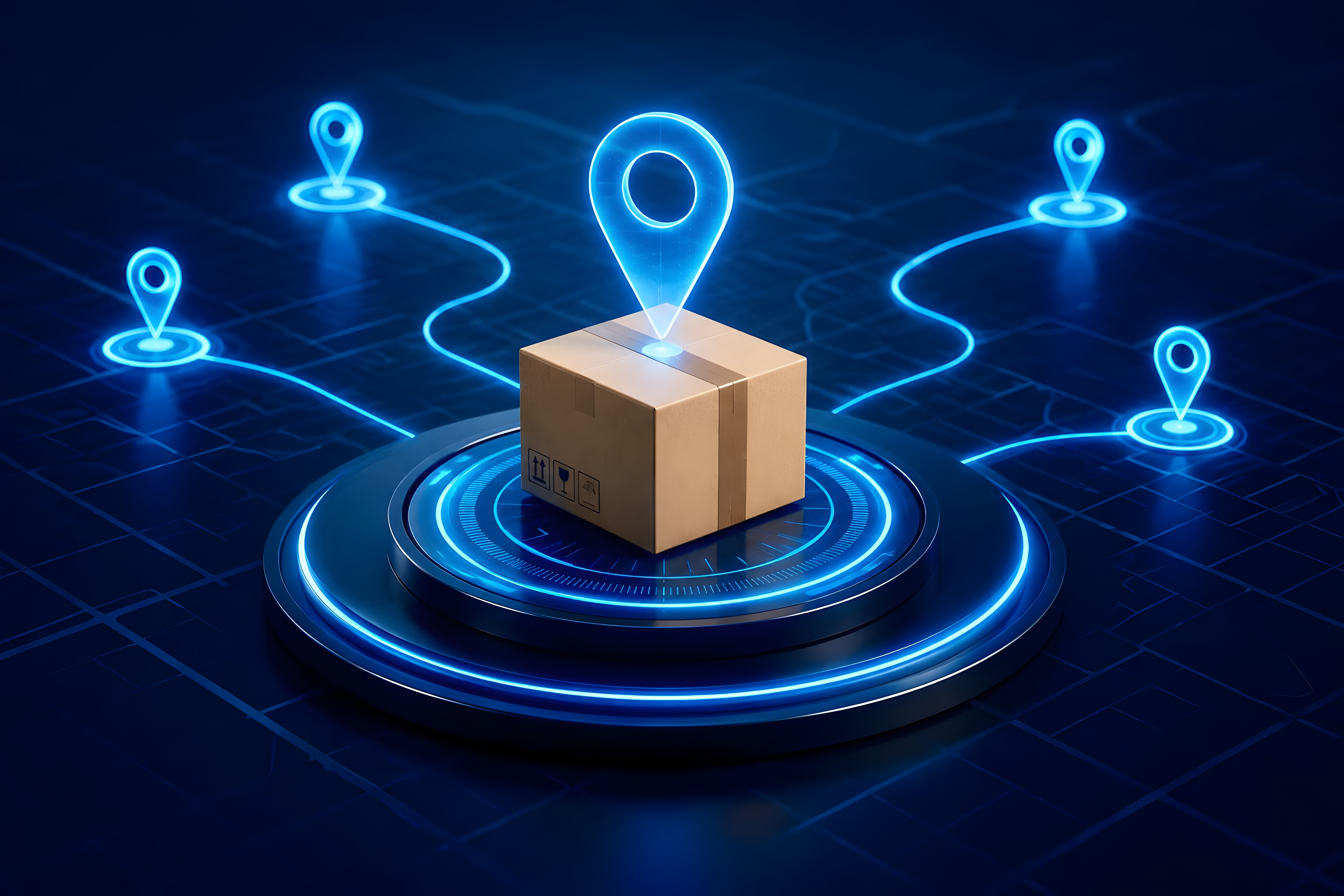
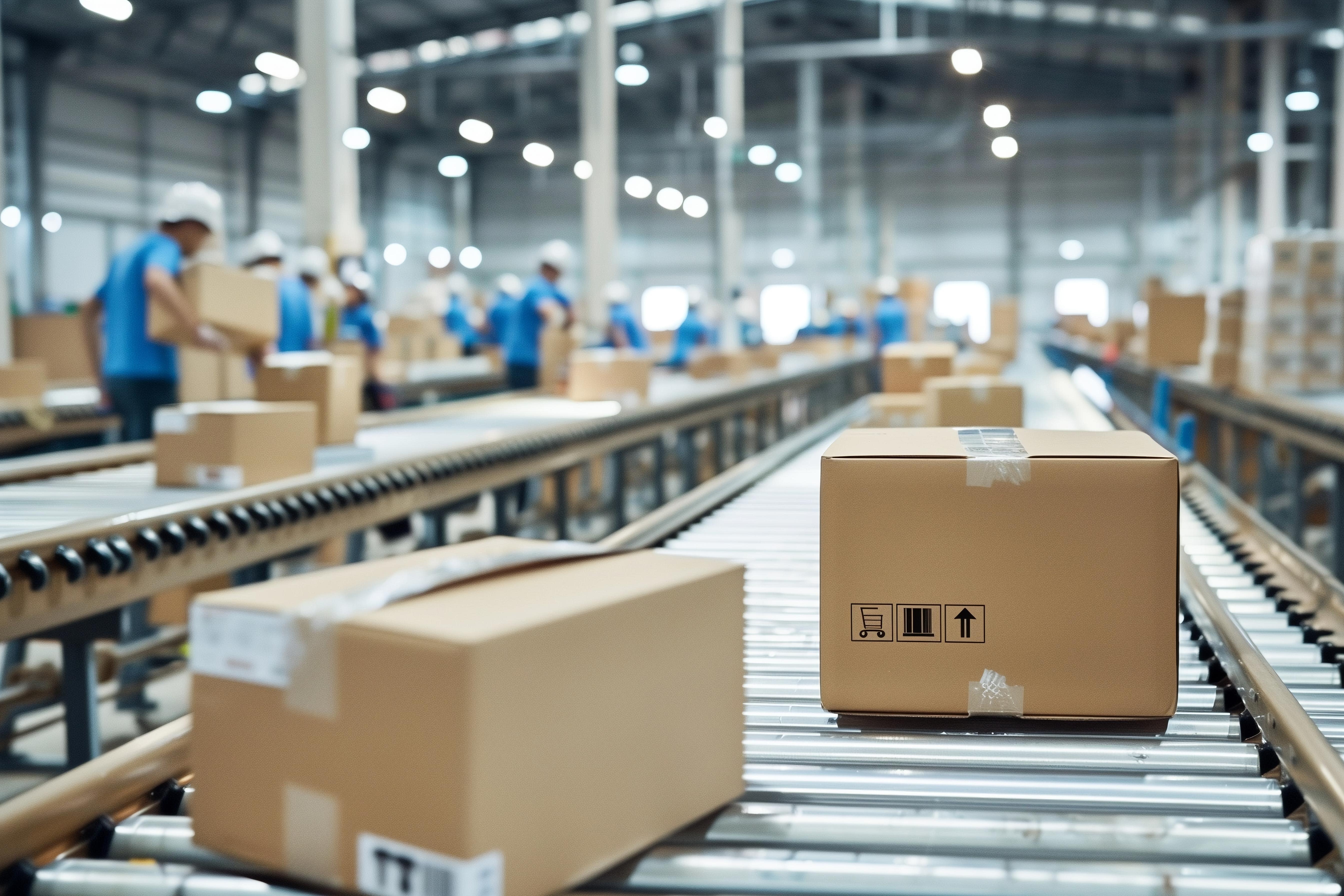
Global e-commerce is on track to exceed US$5 trillion in 2026, and shoppers now judge brands on the journey from order click to doorstep. The modern consumer expects a seamless experience at every step, with real-time shipment tracking from start to finish. Air cargo is the fastest link in this global supply chain, and airlines with end-to-end capabilities can own the entire factory-to-front-door journey rather than handing it off at the airport. That control is becoming a real source of advantage. This article looks at what the journey involves, the air cargo services airlines must now support, and how airlines powered by SmartKargo are redefining end-to-end e-commerce logistics.
What Factory-to-Front-Door Means for Air Cargo and Airline Networks
Factory-to-front-door describes a single, connected flow from the point of manufacture to the consumer's home. It joins the manufacturer, the warehouse, the airline and the last-mile partner into one chain. For airlines, it marks a clear break from how cargo shipping traditionally worked.
-
End-to-end, not airport-to-airport: Older cargo models handed shipments off at the airport. The modern model operates door-to-door, with the airline responsible for the entire journey.
- More small parcels: Rising small parcel shipping volumes call for faster, more integrated airline operations, since each consignment carries its own booking, tracking and delivery requirements. This shift is covered in depth in the overview of air cargo trends 2026, which examines how e-commerce growth is structurally reshaping airline cargo demand.
- Visible at every step: Consumers expect to track shipments from the factory, through the air, to final delivery in real time.
The Full E-Commerce Shipping Journey Airlines Must Now Support
Owning the journey means supporting every stage, not just the flight. Each handover between partners is a point where shipments can stall or lose visibility, so integration across the chain is what keeps e-commerce delivery fast and predictable. Modern cargo shipping treats these stages as one continuous flow, with real-time shipment tracking holding it together. The five stages below make up the full path.
-
First-mile pickup from the warehouse or factory.
- Booking, pricing and capacity allocation on the airline network.
- Air transport with real-time tracking visibility throughout.
- Interim warehouse management at the destination.
- Last-mile delivery integrated with local logistics partners.
SmartKargo automates every step of this small parcel shipping journey end-to-end on one platform, which removes the gaps that appear when separate systems are stitched together.
How SmartKargo Powers End-to-End Ecommerce Delivery for Airlines
SmartKargo connects the full chain so airlines can run e-commerce logistics without managing a patchwork of tools. Its technology already sits behind some of the most ambitious airline parcel services in the market, and it supports both domestic and cross-border e-commerce models on the same foundation.
-
Full automation from the shopping site to the customer's door.
- Integrated door-to-door logistics with shipper and consignee management built in.
- API-based integration with major e-commerce platforms in real time.
- Comprehensive tracking and audit trails for shippers and end users.
- Road and warehousing support at both ends of the air journey.
- Mobility apps for shippers, first and last-mile drivers, and warehouse teams.
| Service |
Airline |
Reach |
| DeliverDirect |
Delta Cargo |
Dock-to-door delivery to major US population centres |
| Emirates Courier Express |
Emirates |
Cross-border delivery in under 48 hours on average |
These services show how the same underlying platform supports very different network shapes, from a domestic US carrier to a global widebody operator. In each case, integrated air cargo services turn standalone flights into a connected cargo shipping product that runs from origin to doorstep.
Why Cloud-Based Air Cargo Technology Is the Foundation of Modern E-Commerce Logistics
Cloud technology is what makes factory-to-front-door delivery work at scale. E-commerce volumes are spiky, with sharp peaks around sales events and holidays, and the platform behind them has to flex without breaking. This is where modern e-commerce shipping solutions earn their place, turning unpredictable demand into a manageable, repeatable operation.
-
Scales with demand: A cloud-native platform absorbs e-commerce volume spikes without downtime.
- No rip-and-replace: It works with any existing cargo system, so carriers avoid a costly overhaul.
- Secure and reliable: Microsoft Azure infrastructure underpins security and reliability at scale.
- Continuous optimisation: Real-time business intelligence and reporting support ongoing improvement.
- Clean finance: Integration with corporate financial systems keeps revenue accounting accurate.
Together, these capabilities let airlines treat small package delivery as a core product rather than a side activity. They also give cargo teams the data to refine pricing and routing over time, so each peak season builds on the last instead of starting from scratch.
Factory-to-front-door is becoming the standard in e-commerce logistics, and the airlines that own this journey end-to-end will capture the most revenue and customer loyalty. The model depends on automation, real-time visibility and a platform built for scale. SmartKargo's technology is purpose-built for exactly this end-to-end approach, giving airlines the tools to compete in modern e-commerce shipping solutions.
Request a demo to see how SmartKargo powers end-to-end e-commerce air cargo.
FAQs
Q. What does factory-to-front-door mean in air cargo and e-commerce logistics?
A. It is a single connected flow from the point of manufacture to the consumer's home, covering the first mile, air transport and the last mile.
Q. How do airlines provide end-to-end e-commerce shipping solutions?
A. By integrating pickup, booking, air transport, warehousing and last-mile delivery on one automated platform rather than separate systems.
Q. What technology is needed to automate the full e-commerce delivery journey?
A. A cloud-based platform with API integration, automated booking and pricing, tracking, and links to road and warehousing partners.
Q. How does real-time shipment tracking work across the full factory-to-door journey?
A. Each stage updates a shared data layer, so shippers and consumers see consistent status from pickup through to final delivery.
Q. How do airlines integrate first-mile and last-mile delivery with air cargo networks?
A. Through partner integration and mobility apps that connect drivers and warehouses directly to the airline's cargo platform.
Q. What results have airlines achieved with end-to-end e-commerce air cargo platforms?
A. Delta's DeliverDirect reaches major US centres, while Emirates Courier Express delivers cross-border parcels in under 48 hours on average.