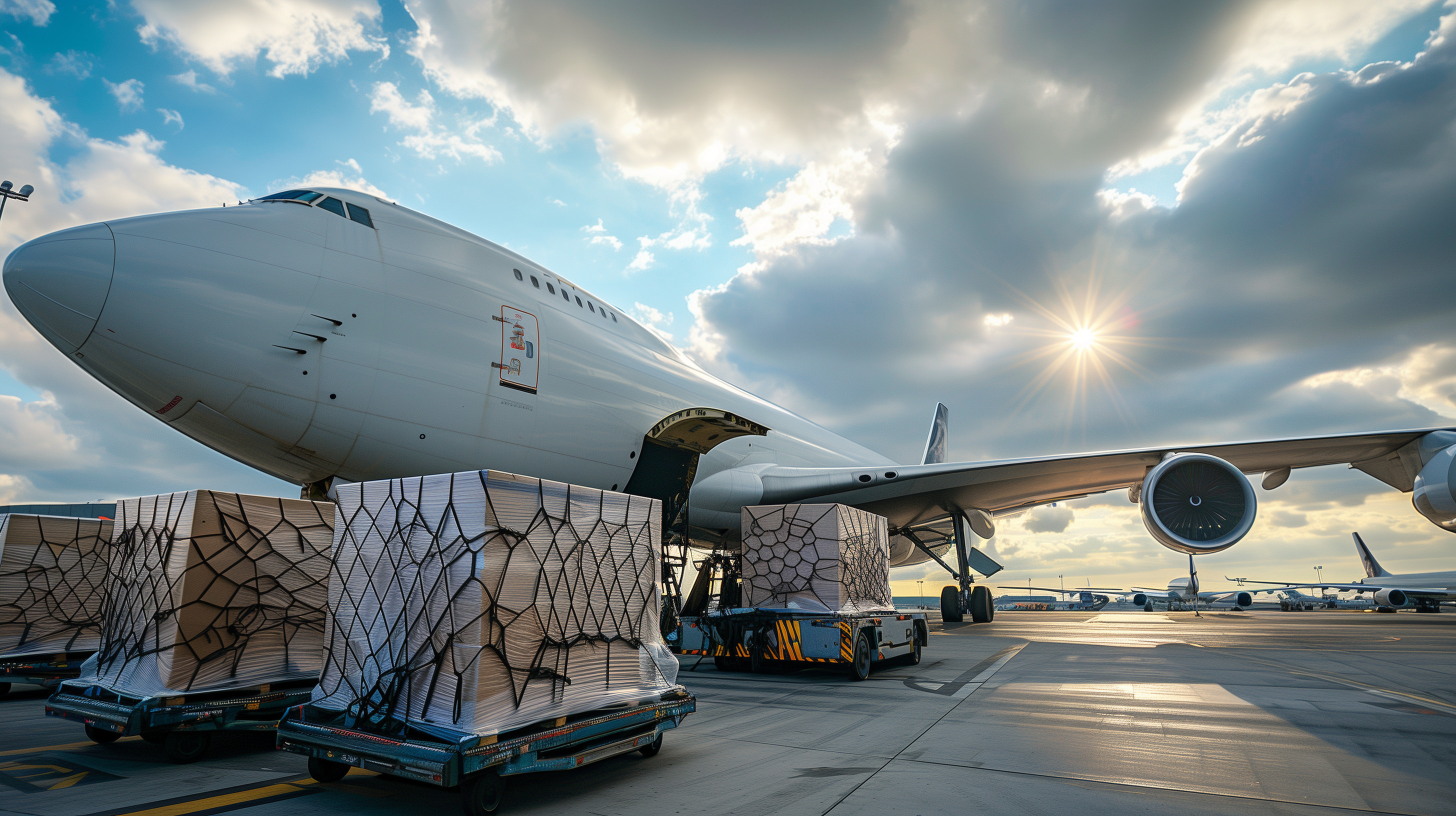
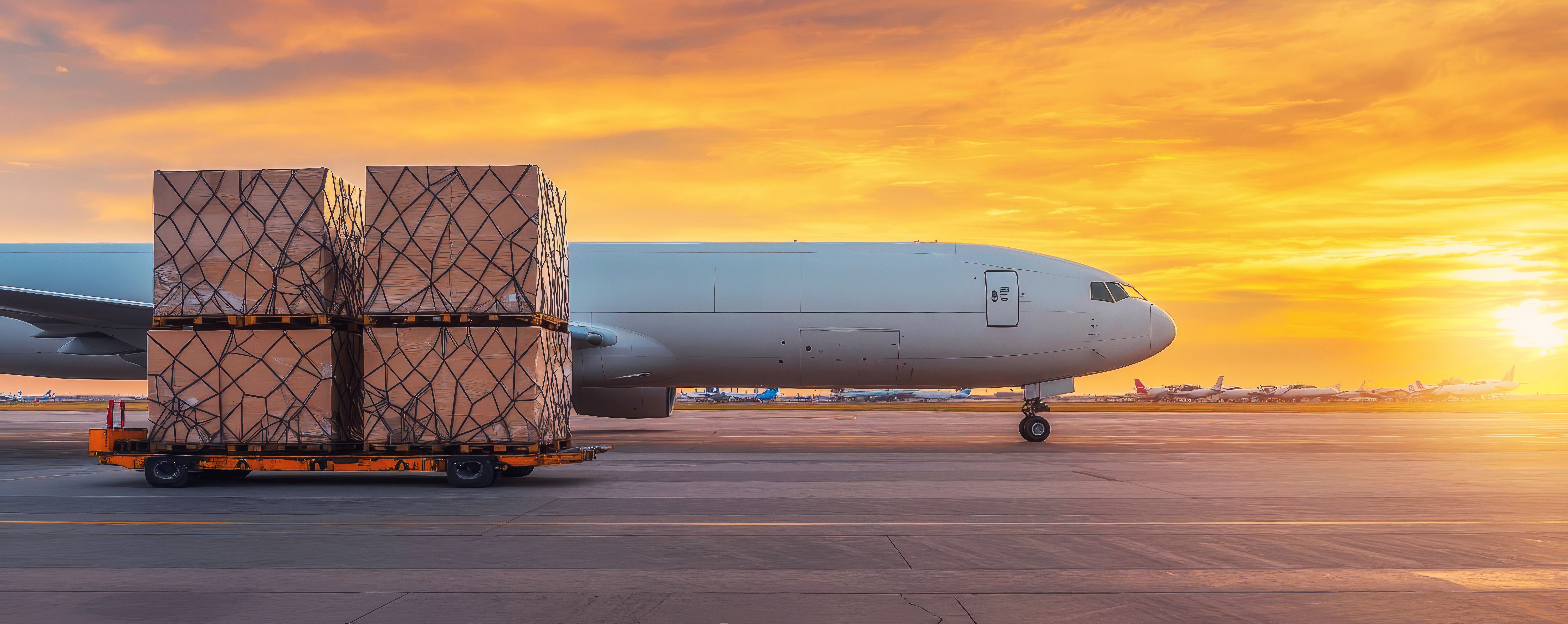
E-commerce transactions now account for about 20% of air cargo volume, and cross-border e-commerce could reach 30% of total air cargo volume by 2027. Analysis from ICAO, McKinsey and PwC also shows that more than 80% of cross-border e-commerce was moved by air in 2024. Few other segments have reshaped cargo shipping so quickly or so permanently.
E-commerce growth in air cargo refers to the sustained rise in cross-border and domestic parcel volumes moving by air. Online retail's expansion and consumers' expectation of fast, reliable delivery, regardless of where a seller is based, drive it. For airlines, it represents a lasting change in what flies in the hold and how it needs to be sold, handled and tracked.
This is not a short-term spike tied to one shopping season. Even as overall cargo growth moderates after the pandemic years, IATA describes e-commerce as a structural growth engine for the industry. However, the opportunity is not evenly distributed. It goes disproportionately to airlines that can sell, book, clear, and track e-commerce volume as easily as shippers now expect.
The Structural Shift Behind E-Commerce's Air Cargo Demand
The growth of e-commerce in air cargo is often discussed in terms of peak seasons and headline platforms. The more important story is the long-term change in how goods move between sellers and buyers.
-
Cross-border online retail outpacing traditional freight: In many markets, cross-border e-commerce is growing faster than the bulk freight flows that airline cargo networks were originally built around. IATA expects global air cargo volumes to grow by around 2.4% in 2026, while noting that a significant share of that growth will be linked to cross-border e-commerce.
- Fast delivery expectations pulling volume onto aircraft: Consumers increasingly expect international orders to arrive in days rather than weeks. That expectation is pushing more volume to air rather than ocean or ground, even for lower-value goods that once traveled by sea. Speed has become part of the product a retailer sells, not just a behind-the-scenes logistics choice.
- Small parcel volumes are compounding as sellers expand: Marketplaces and D2C brands are entering new geographies faster than ever, often selling internationally from launch. Each new market adds a fresh stream of small parcel shipping, and those streams compound as brands build their customer base abroad.
Why Airlines Are Uniquely Positioned to Capture This Demand
Integrators and dedicated freighter operators have long dominated parcel logistics. Yet airlines with passenger networks hold several advantages that make them natural partners for e-commerce retailers.
-
Networks already reach the markets retailers want: Passenger schedules connect major cities and secondary markets daily, often multiple times a day. Frequent departures shorten the wait between order and uplift, which directly supports faster delivery. For retailers, a dense passenger network offers reach and frequency that would be costly to build any other way.
- Growth without adding fleet: Much of the incremental e-commerce opportunity can be absorbed by belly capacity that already flies. SmartKargo's own figures show 15,000 flights in the air at any time with 50 to 60% of cargo space free, highlighting how much capacity remains available.
- Digital infrastructure as the deciding factor: Capacity alone does not win e-commerce partners. Retailers and aggregators expect instant quotes, automated bookings, and integration with their own systems from day one. Airlines with digital booking and pricing infrastructure can onboard these partners in weeks, while carriers relying on manual, quote-based processes may take months.
Where the Opportunity Is Concentrated Right Now
The e-commerce opportunity is real, but it isn't spread evenly across regions, customer types, or product categories. Recent policy changes have made this clearer: some traditional lanes have softened, while others continue to grow strongly.
-
Fastest-growing regions and trade lanes: Asia Pacific remains at the center of e-commerce-driven growth, with IATA expecting the region to lead in 2026 at around 6% growth. Demand within Asia is particularly consistent, with the lane recording 6.1% growth in July 2026 and 33 consecutive months of expansion. Other lanes have become more volatile, as China-to-EU e-commerce volumes fell 29% year on year in July after the introduction of a €3 charge on low-value imports.
- Marketplaces and D2C brands working directly with airlines: Retailers increasingly want direct relationships with airlines rather than relying only on freight forwarders. Several airlines have responded by launching dedicated e-commerce services, including Emirates Delivers and Azul Express, both supported by SmartKargo's platform.
- New demand segments beyond fast fashion and electronics: E-commerce is no longer limited to clothing, accessories and consumer electronics. Data center volumes into the US rose 103% year on year over the first seven months of 2026, reaching 107,000 tonnes in July alone. IATA estimates that AI-related goods made up 53.5% of air cargo value in 2025 despite being only 7% of volume, showing how specialized segments can offset softness elsewhere.
What Stands Between Airlines and This Opportunity
If demand is available and capacity already flies, why aren't more airlines capturing it? The barriers are largely internal, rooted in systems and processes designed for a different kind of cargo.
-
Legacy systems built for bulk freight: Many airline cargo systems were designed around consolidated shipments that forwarders book well in advance. They struggle with the high volume, low weight, and short lead times that define e-commerce. Booking a single parcel can require as much manual effort as booking a full pallet, making the economics unworkable at scale.
- Manual customs and documentation processes: E-commerce multiplies the number of shipments that need customs data, commercial documentation, and duty handling. Processes that work for a few hundred consignments a day break down when volumes reach thousands of individual parcels. Each manual step adds cost, delay, and the risk of error at the border.
- Cross-border friction points: Duties, tax collection, regulatory changes and multi-party handoffs all add complexity to international parcel flows. These issues are explored in more detail in our dedicated content on cross-border friction. Airlines that address these barriers through technology are better placed to absorb policy changes without losing volume.
The Infrastructure That Turns Demand Into Captured Revenue
Closing the gap between available demand and captured revenue requires infrastructure built specifically for e-commerce. The aim is to make parcel volume as easy to sell, process, and track as traditional freight.
-
Cross-border e-commerce on one platform: SmartKargo's cross-border e-commerce solution supports B2B, B2C and C2C e-commerce worldwide. It also manages payment processing, tax, and tariff collection, so it handles these steps in a single flow rather than across separate systems. This consolidation removes much of the manual effort that makes international parcels uneconomic on legacy systems.
- AI-powered revenue and capacity management: SmartKargo's AIRCAM is an AI-powered revenue and capacity management solution that uses machine learning to forecast demand, optimize pricing, and improve load planning. This helps airlines decide how much space to allocate to parcels and at what price, without unnecessarily displacing higher-yield freight.
- e-AWB and ONE Record as the data foundation: ONE Record, endorsed as IATA's preferred data-sharing standard from 1 January 2026, creates a shared digital record that authorized parties can read and update. Airlines representing more than 70% of global air waybill volumes are on track to implement it. An API-first digital cargo platform keeps airlines ready as these standards continue to mature.
What This Means for Cargo Commercial Strategy
The growth of e-commerce is not only an operational question. It is reshaping how cargo commercial teams think about customers, pricing, and long-term revenue.
-
E-commerce is no longer a side channel: For many airlines, e-commerce is becoming one of the fastest-growing segments of the cargo book. It brings frequent, recurring volume that can be more predictable than traditional freight cycles. Treating it as a core segment, with its own targets and dedicated resources, reflects its actual commercial importance.
- Early investment compounds over time: Airlines that build dedicated e-commerce strategy and technology now gain more than immediate volume. They develop data on customer behavior, lane performance, and pricing that improves every subsequent commercial decision.
- Treating e-commerce like traditional freight carries real risk: Airlines that apply bulk freight processes to e-commerce often struggle with cost, speed, and service quality. Retailers quickly notice slow onboarding, unclear pricing, or weak tracking, and they move volume to carriers that offer a smoother experience.
The e-commerce growth curve keeps creating new addressable demand for air cargo, and this is a structural opportunity rather than a temporary spike. Demand will continue to shift between lanes as policies change, but it will not disappear. SmartKargo's platform gives airlines the cross-border e-commerce, revenue management, and documentation infrastructure to turn this growth into captured revenue. Talk to SmartKargo about building the e-commerce cargo infrastructure to capture this growth.
FAQs
Q. Why is e-commerce growth important for the air cargo industry?
A. E-commerce accounts for about a fifth of air cargo volumes and continues to grow structurally. It brings frequent, recurring parcel demand that helps airlines fill available capacity.
Q. How does cross-border e-commerce create new opportunities for airlines?
A. Most cross-border e-commerce moves by air, creating demand for belly capacity on existing routes. Airlines can also build direct relationships with retailers and marketplaces.
Q. What infrastructure do airlines need to capture e-commerce cargo demand?
A. They need API-based booking, dynamic pricing, integrated customs and duty handling, and digital data standards such as e-AWB and ONE Record. A single platform for cross-border e-commerce solutions simplifies this.
Q. Which regions are seeing the fastest e-commerce-driven air cargo growth?
A. Asia Pacific leads, with intra-Asia lanes growing steadily. Demand is also shifting toward Southeast Asian origins, Europe, and Latin America.
Q. How is e-commerce changing airline cargo revenue strategy?
A. It is turning parcels into a core revenue segment. Airlines are investing in dedicated commercial strategies and digital platforms to compete.