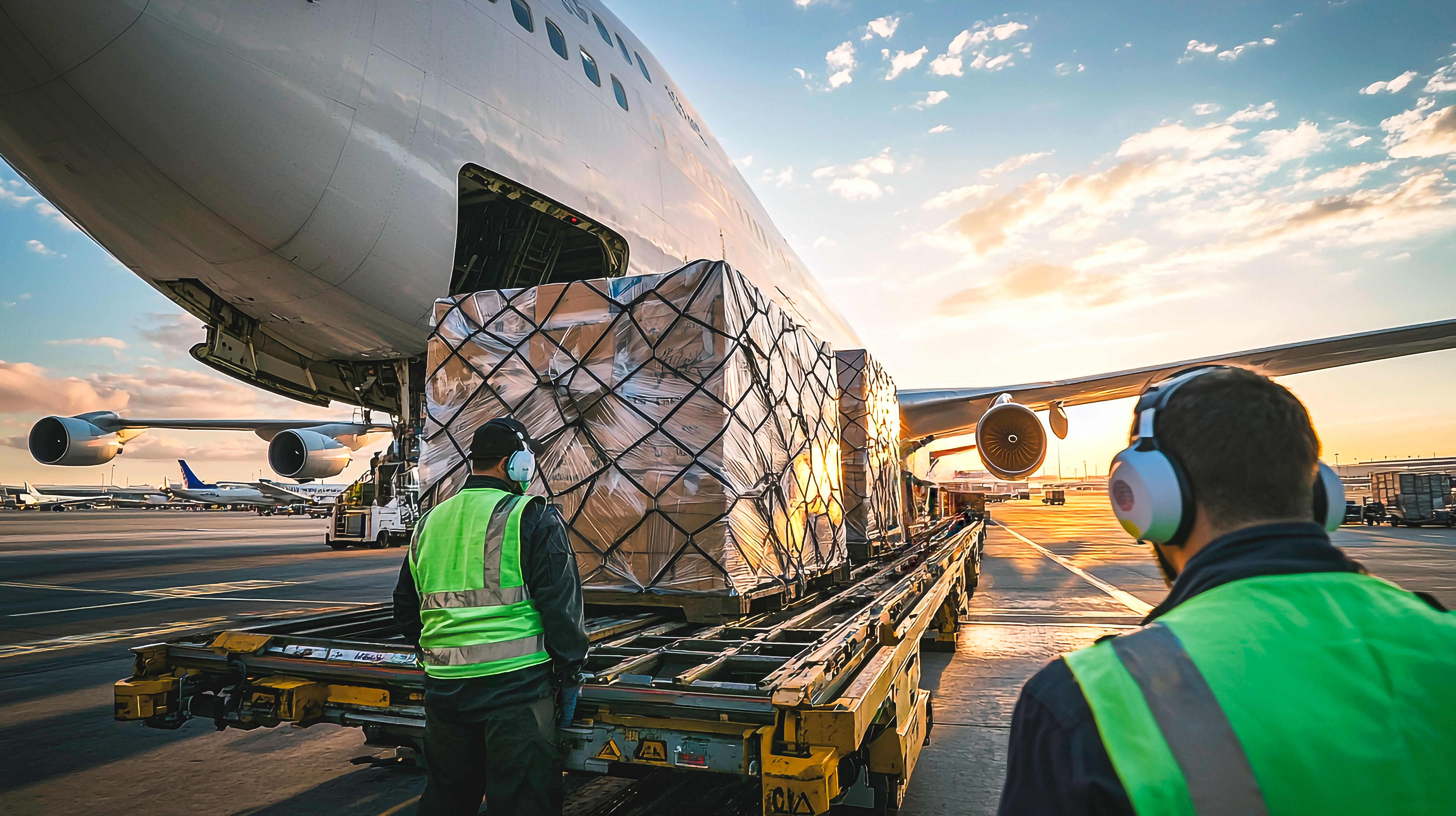
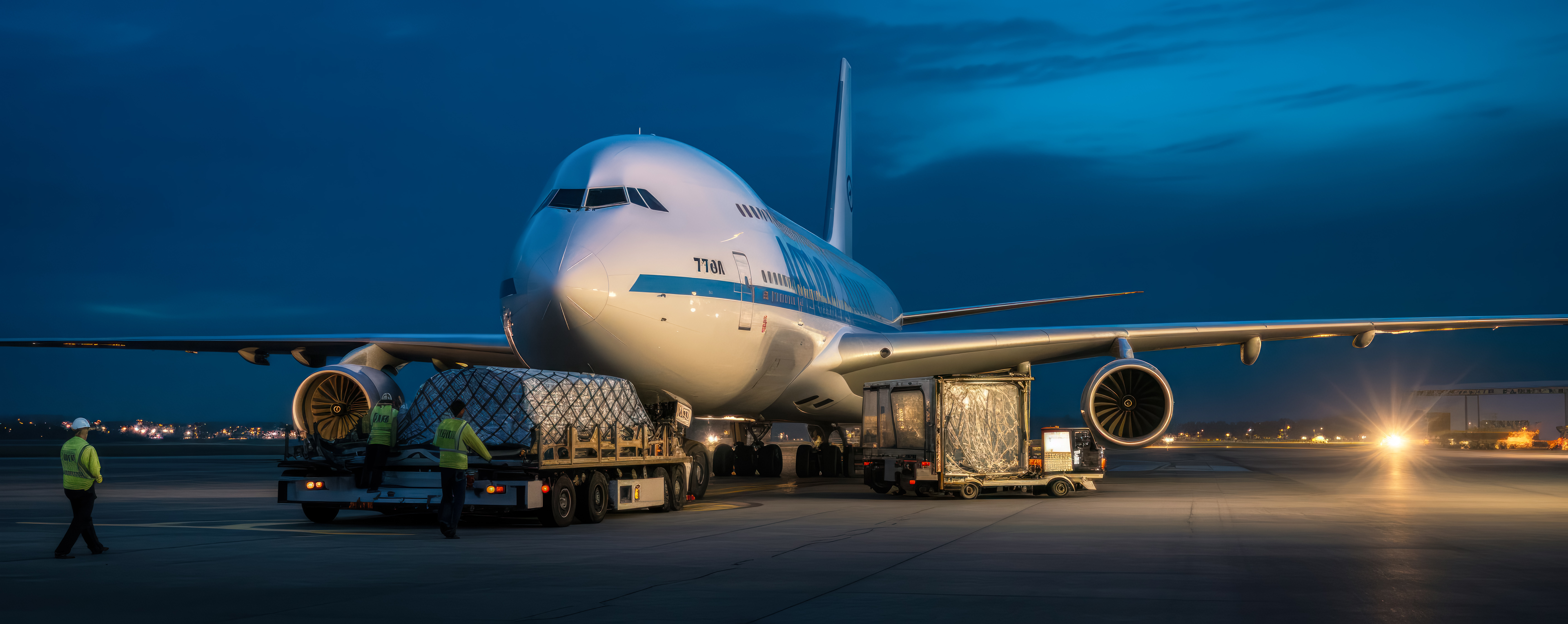
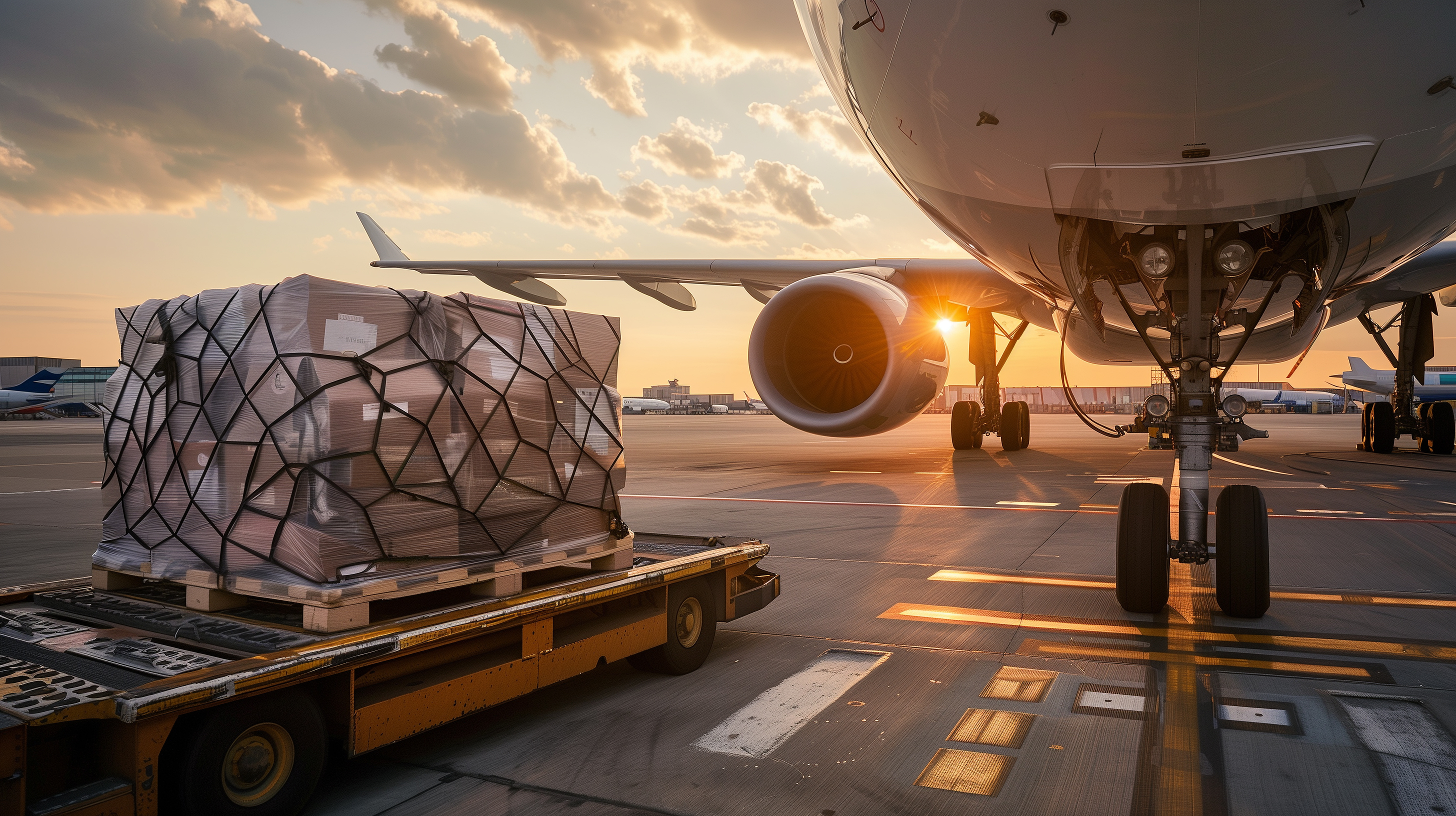
Fast delivery has quietly become the price of entry in online retail. Shoppers who once accepted a week-long wait now treat one- or two-day delivery as normal, and they walk away from a purchase when the wait looks too long. That shift puts pressure on every brand and carrier behind the parcel, and airlines are unusually well placed to respond. At any given moment, roughly 15,000 aircraft are in the air, and passenger airlines often have unused belly-hold capacity that can be leveraged for cargo movements, enabling shipments to reach major cities faster than many ground networks.
Let's see how consumer expectations are reshaping e-commerce shipping, why air cargo networks hold a natural speed advantage, and how real-time air cargo tracking and the SmartKargo platform help airlines turn that speed into a commercial edge.
How Consumer Expectations Are Reshaping E-commerce Shipping Standards?
Delivery speed now sits at the center of the buying decision, and the bar keeps rising. What counted as premium a few years ago is expected today.
-
Fast is the new normal: Two-day or 3-5 day deliveries have become the baseline that shoppers assume, not a paid upgrade.
- Ground capacity strains at peak: Road-based carriers hit their limits during busy periods, and service slips when demand spikes.
- Air closes the gap: Air cargo networks offer a speed advantage that multi-stop ground routes cannot match.
- Brands feel the squeeze: Direct-to-consumers and marketplace sellers must deliver faster while holding costs down.
Why Are Air Cargo Networks Uniquely Positioned for Fast E-commerce Delivery?
Airlines have a structural head start on speed, and they fly direct between distant cities every day, which is exactly what fast e-commerce delivery needs.
| Dimension |
Ground Express |
Air Cargo Network |
| Routing |
Multiple stops and transit points |
More direct city-to-city movement |
| Long-Distance Speed |
Slower for extended routes |
Faster for cross-country and international shipments |
| Peak Season Resilience |
Limited capacity during surges |
Access to spare belly cargo capacity on flights |
| Reach |
Primarily regional hubs |
Major population centers and global gateways |
-
Direct routes: Flying point-to-point reduces transit time compared with multi-stop ground networks.
- Capacity already flying: Thousands of daily flights carry unused belly space, ready for small-parcel shipping.
- Wider reach: Airlines connect major population centers that ground carriers cannot match in speed.
The Role of Real-Time Air Cargo Tracking in Meeting Customer Expectations
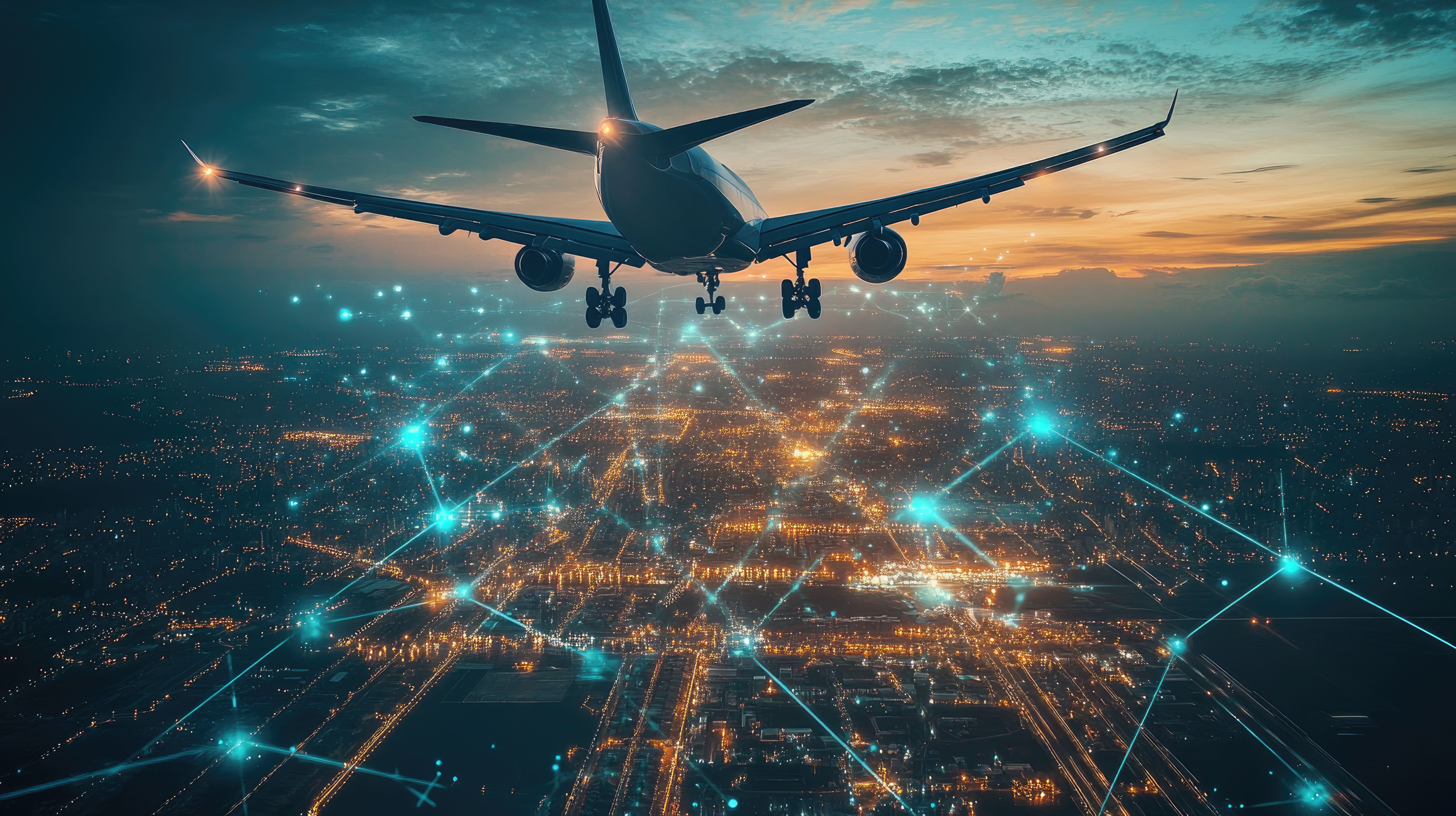
Speed alone is not enough, as the customers want to see where their parcel is, and clear air cargo tracking is now part of the experience they expect.
-
Visibility builds trust: Shoppers expect to follow a shipment from order to doorstep.
- Fewer support queries: Real-time shipment tracking reassures customers and cuts the load on service teams.
- End-to-end view: SmartKargo provides comprehensive real-time package tracking and audit trails across the first mile, air leg, and last mile.
- Everyone informed: Full-featured mobility apps keep shippers, drivers, and recipients updated at every stage.
How SmartKargo Helps Airlines Deliver Speed at Scale?
Delivering quickly once is easy but doing it across thousands of parcels a day takes the right platform underneath, and that is where SmartKargo fits.
-
Automated flow: Manages the journey from the shopping cart to the customer's door with no manual handoffs.
- Instant order capture: Real-time API integration with e-commerce platforms processes orders as they arrive.
- Capacity awareness: Tight integration with passenger systems maximizes available space.
- Built to scale: A cloud-native platform handles high cargo shipping volumes without losing performance.
- Flexible promises: Service levels include two-day, 3-5 days delivery options to meet shopper expectations.
Speed is no longer a differentiator; rather, it has become the baseline that customers assume before they buy. Airlines with the right platform can turn the natural speed of their network into a genuine commercial advantage. SmartKargo helps carriers meet and exceed delivery expectations at scale, parcel after parcel. See how SmartKargo powers fast, reliable e-commerce shipping for airlines.
FAQs
Q. Why does delivery speed matter so much for e-commerce consumers?
A. Shoppers now treat one- or two-day delivery as standard. Slow shipping leads to abandoned carts and lost loyalty, so speed directly affects sales.
Q. How do airline cargo networks compete with ground carriers at delivery speed?
A. Airlines fly direct between distant cities, skipping the multiple stops of ground routes. This cuts long-distance transit time, especially during peak demand.
Q. What is real-time air cargo tracking, and why do consumers need it?
A. It is the live visibility of a parcel from order to doorstep. Customers expect it, and real-time shipment tracking builds trust while reducing support queries.
Q. How does SmartKargo help airlines offer two-day, 3-5 days e-commerce delivery?
A. It automates the cart-to-door journey, integrates with retailer systems in real time, and offers flexible service levels built for fast delivery.
Q. What technology do airlines need to meet rising consumer delivery expectations?
A. They need real-time package tracking, API links to retailers, and a scalable cloud platform. SmartKargo brings these together for airlines.